Herniated Discs and the Brain: What New Research Reveals
¿Can a herniated disc affect the brain?
When we think of a herniated disc, we tend to associate it with back pain, sciatica, or neck discomfort. However, recent research suggests that the consequences of a herniated disc may extend beyond the spine and also affect brain function.
If you have a herniated disc in Mataró, this information can help you better understand the importance of addressing the problem as soon as possible.
A study reveals brain changes associated with herniated discs
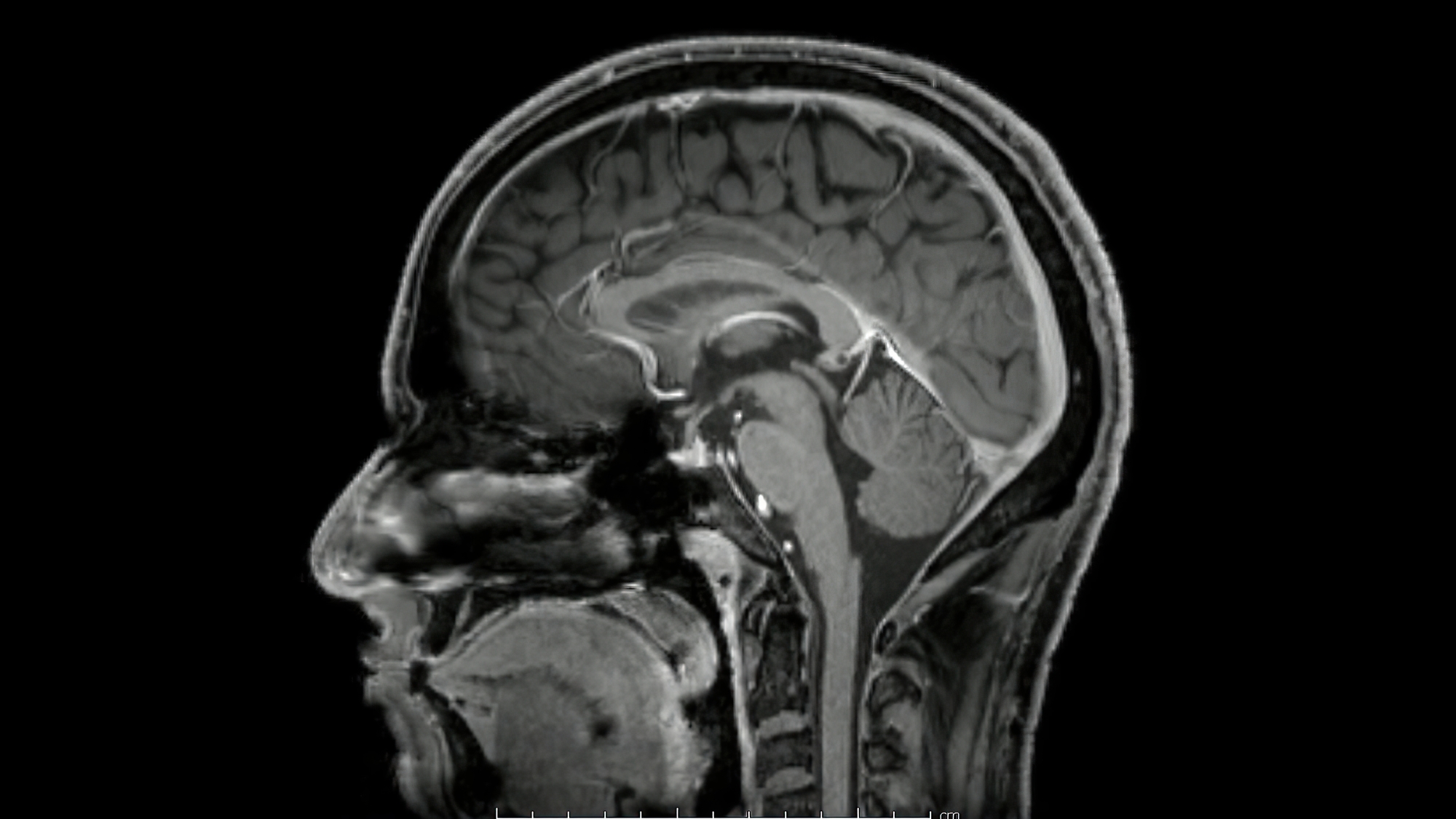
A team of Spanish researchers has used advanced neuroimaging techniques to analyze how certain compressive injuries to the spine can affect brain structure.
Unlike a conventional MRI, these new technologies allow for a more precise examination of the cerebral cortex, the nerve fibers of the white matter, and the connections between different areas of the brain.
The results showed changes in regions related to sensory and motor processing, with alterations in neural communication pathways and signs of cortical atrophy observed in some patients.
According to the study's authors:
«We have shown that there are changes in the brain and in the pathways through which brain signals are transmitted, which manifest primarily as cortical atrophy and damage to the sensory and motor cortices.»
Why can a herniated disc have effects beyond the back?
The spine protects the spinal cord, a structure that is essential for transmitting information between the brain and the rest of the body.
When a herniated disc compresses nerve roots or the spinal cord, symptoms such as the following may appear:
- Lower back or neck pain.
- Sciatica or pain that radiates to the arms and legs.
- Tingling or loss of sensation.
- Muscle weakness.
- Impaired balance and coordination.
- In severe cases, problems with bladder and bowel control.
These changes may affect the way the nervous system processes information, which could explain some of the changes observed in recent studies.
The Importance of Early Intervention
It is estimated that a large portion of the population will experience at least one episode related to a herniated disc at some point in their lives. Although not all cases require surgery, it is important to conduct a thorough evaluation to determine the most appropriate treatment for each situation.
Dr. Bernabéu Sanz, a participant in the research, noted that:
«In the future, this type of AI-based analysis could be used to identify patients with operable compressive lesions of the cervical spine and even determine the most appropriate time for surgery.»
Chiropractic in Mataró: a conservative treatment option for spinal care
In many cases, patients seek conservative treatment options before considering more invasive procedures. Chiropractic care focuses on improving the function of the spine and nervous system through specific, personalized adjustments.
The goal of chiropractic care is to promote better joint mobility, reduce mechanical stress, and help the body function more efficiently.
Every case is different, so it is essential to conduct an individual assessment to determine whether chiropractic treatment can be part of the most appropriate care plan.
Do you have a herniated disc in Mataró?
If you suffer from lower back pain, neck pain, sciatica, or symptoms related to a herniated disc, a chiropractic evaluation can help you better understand the cause of your discomfort and the treatment options available.
At the Marc Bony Chiropractic Center in Mataró (Maresme), we work to help you regain mobility, improve your quality of life, and take care of your nervous system in a natural way.
You may also be interested in:
- What is a herniated disc, and how does it occur?
- Chiropractic Treatment for Sciatica.
- Benefits of Chiropractic Care for Spinal Health.