
Dr. Marc Bony, D.C., Chiropractic Center • Mataró
Chiropractic for Children: Chiropractic Care for Children in Mataró
Chiropractic for Children is a painful condition that affects many people around the world. If you are looking for a treatment alternative to relieve the symptoms of Chiropractic for Children, chiropractic may be an effective option.
Chiropractic for Children is a term used to describe pain that radiates along the sciatic nerve, which extends from the lower back to the legs. This condition can be caused by a variety of reasons and can significantly affect the quality of life of those who suffer from it.
Chiropractic is a health discipline that focuses on the diagnosis and treatment of disorders of the musculoskeletal system, especially the spine. Chiropractors use manual techniques and spinal adjustments to relieve pain and improve body function.

+25
Years of Experience
USA
Life West College
Natural
Integral Health
AEQ
Spanish Association of Chiropractic
Understanding the problem
What is Chiropractic for Children? Causes and symptoms
- What is Chiropractic for Children?
Chiropractic for Children is a set of symptoms that include pain, weakness and numbness in the lower back, buttocks and legs. These symptoms are usually caused by compression or irritation of the sciatic nerve.
- Causes and symptoms of Chiropractic for Children
Chiropractic for Children can be caused by a variety of conditions, such as herniated discs, spinal stenosis, injury or degeneration of the spinal discs. Common symptoms include sharp or stabbing pain in the lower back, muscle weakness in the legs and tingling or numbness in the lower extremities.
- Conventional Chiropractic Treatments for Children
Conventional treatments for Chiropractic for Children usually include pain-relieving medications, physical therapy, epidural injections and, in severe cases, surgery. However, these approaches may have limitations and undesirable side effects.
Our approach
Benefits of Chiropractic Care for Children:
Chiropractic care offers a natural, non-invasive alternative for children. Chiropractors focus on addressing the underlying cause of the problem rather than simply relieving symptoms. Through chiropractic adjustments and spinal manipulations, they aim to restore balance and proper function to the spine.
Pain relief
Chiropractic has been shown to be effective in relieving pain associated with Chiropractic for Children. Chiropractic adjustments can help reduce pressure on the sciatic nerve, thus relieving discomfort.
Improved mobility and function
Chiropractic treatments can also help improve the mobility and function of the spine. This can reduce stiffness and improve range of motion, which in turn decreases the discomfort caused by Chiropractic for Children.
Holistic approach
Chiropractic takes a holistic approach to health care. Chiropractors evaluate not only the spine, but also other aspects of the patient's overall wellness, including lifestyle recommendations, therapeutic exercises and nutritional advice.
Techniques
Common Chiropractic Techniques for Chiropractic for Children
There are several chiropractic techniques that are used to treat Chiropractic for Children. Some of the most common techniques include:
Spinal Adjustments
Spinal adjustments are precise manipulations applied to the spine to correct misalignments and reduce pressure on the sciatic nerve. These adjustments are performed with the hands or by using special instruments.
Stretching and therapeutic exercises
Chiropractors may recommend a series of stretches and exercises designed to strengthen the back muscles and improve flexibility, reducing pressure on the sciatic nerve.
Scientific evidence
Studies and Research on Chiropractic Care for Children:
Chiropractic has been the subject of numerous studies and research regarding the treatment of Chiropractic for Children. While more research is needed to fully understand the exact mechanisms of action and long-term results, some studies have shown encouraging results.
For example, a study published in the journal Journal of Manipulative and Physiological Therapeutics found that chiropractic provided significant pain relief and improved function in patients with acute chiropractic for children. Another study published in the journal Spine showed that chiropractic was effective in the management of chronic Chiropractic for Children, reducing the need for surgery.
These studies support the efficacy of chiropractic as a viable treatment option for Chiropractic for Children, but it is important to keep in mind that each case is unique and results may vary.
Real-life experiences
Chiropractic Patient Experiences for Chiropractic for Children
Many patients have reported positive experiences with chiropractic in the treatment of Chiropractic for Children. Some have experienced significant pain relief, improved mobility and faster recovery.
Frequently Asked Questions
Is it safe to make adjustments in children and infants?
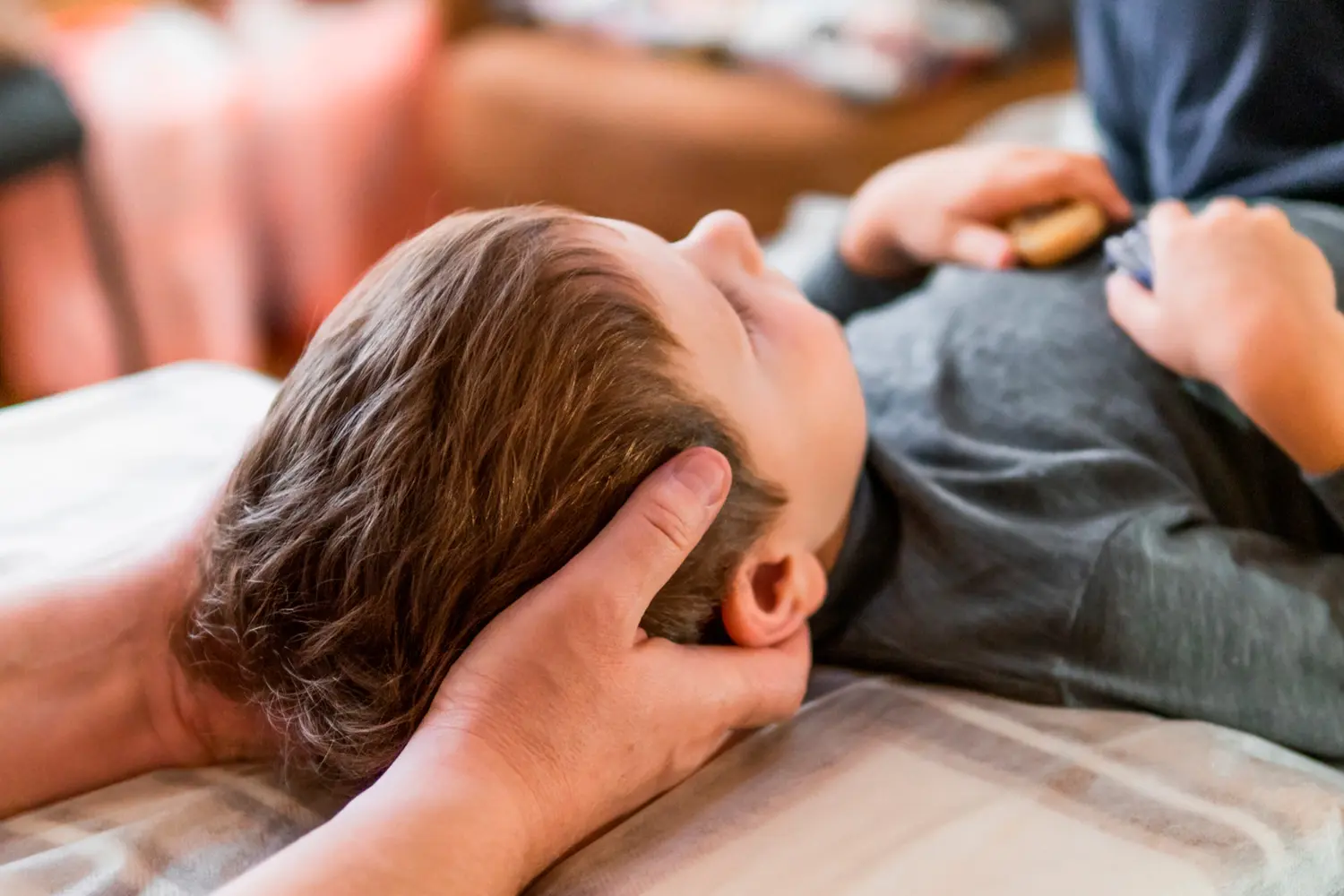
Totally. Pediatric chiropractic is extremely gentle. Dr. Marc Bony uses techniques adapted to the bone and muscle development of each child stage.
At what age can a child begin to receive chiropractic care?
There is no minimum age. Many parents bring their children in a few days after birth to check that the stress of childbirth (especially if there were forceps, vacuum or cesarean section) has not caused small misalignments in the cervical vertebrae. Chiropractic care accompanies the child during key milestones such as lifting the head, crawling and taking their first steps.
How can chiropractic help my child if he/she does not have back pain?
Unlike adults, children rarely come for «pain». Parents often seek help to improve nervous system function, which can positively influence:
Sleep disorders and infant colic.
Posture problems due to the use of backpacks or mobile devices.
Strengthening of the immune system and better school performance.
Balance and coordination in stages of rapid growth.
What is a first pediatric visit with Dr. Marc Bony like?
It is a relaxed and playful session. First, a complete medical history is taken (from pregnancy to the present). Then, Dr. Marc performs a gentle physical evaluation of the spine and nervous system. If any interference is detected, it is explained to the parents and, with their consent, a very light and specific adjustment is made.