Explanation of Spinal Stenosis
What is spinal stenosis?
While many cases of spinal stenosis occur in the lower back, it can also occur in the cervical spine.
Spinal stenosis is a degenerative condition that causes a narrowing of the spinal canal, putting pressure on the spinal cord and compressing the nerve endings at the exact point where they exit the spinal canal.
This general condition affects people in 50 years old and older adults, with most people seeing a healthcare provider for the first time regarding this condition around the age 60.
Symptoms of Spinal Stenosis
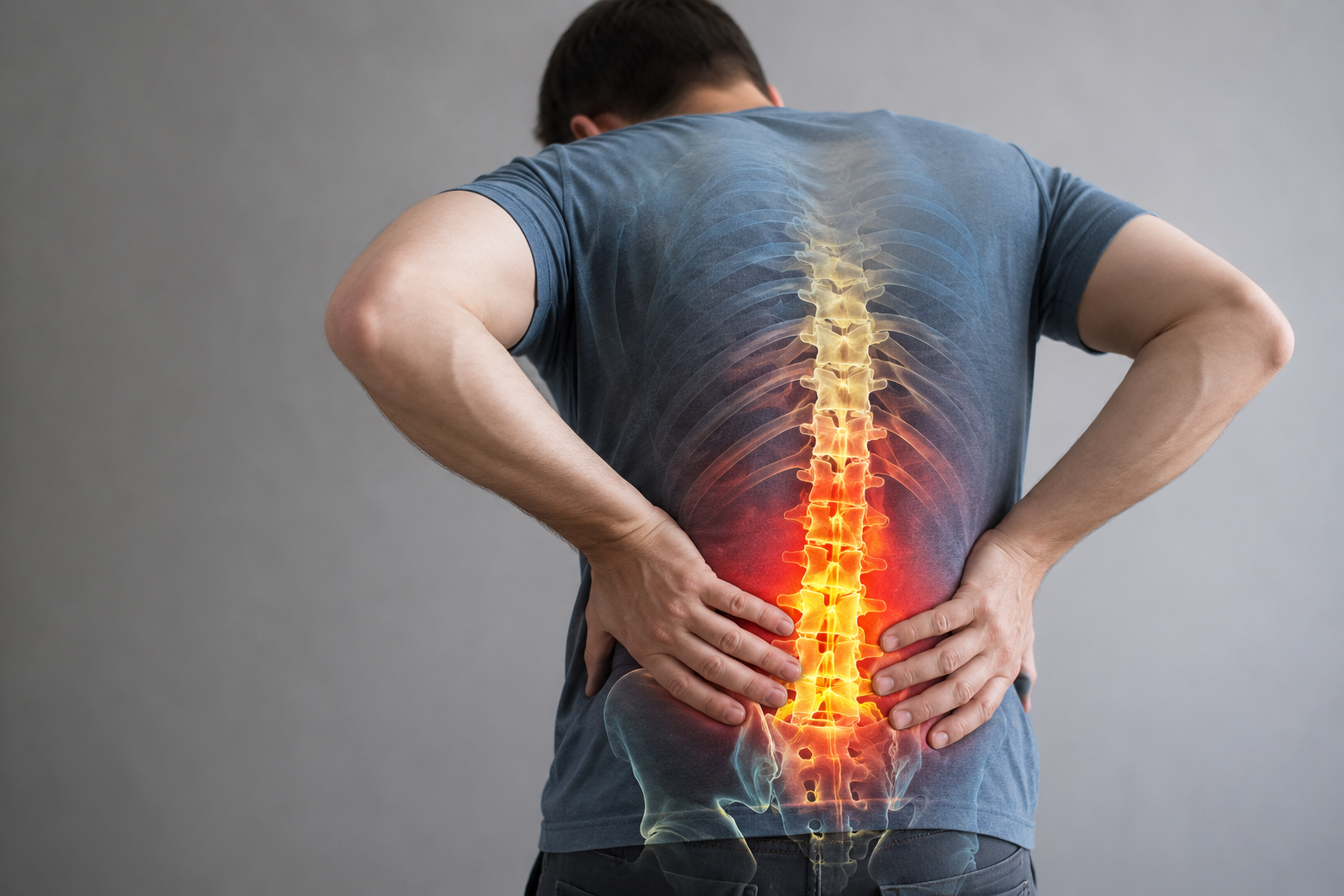
Symptoms of lumbar spinal stenosis (lower spine) include pain, tingling, or numbness that starts in the lower back and radiates into the buttocks and legs, especially when you're engaged in an activity, such as walking. The symptoms usually subside when you're sitting or resting.
Although 75% of all spinal stenoses occur in the lumbar spine, they can also occur in the cervical spine (neck). This type is potentially much more serious, as it can involve compression of the spinal cord itself, which can cause generalized weakness and eventually paralysis.
Causes of Spinal Stenosis
What causes spinal stenosis? The most common cause is the aging process, which affects adults with some form of untreated spinal strain. Other causes include spinal tumors, excessive fluoride intake, and trauma to the spine that may result from an accident.
Solution
Chiropractic adjustments can help improve spinal mobility. In addition, studies have shown that certain types of mechanical traction that increase the space between each vertebra can be beneficial. This can help reduce pressure on nearby nerves.
If you experience any of the symptoms described above, you can consult us to find out if your problem can be resolved naturally before…
We're here to help you!