Cholesterol is a recurring topic in natural health. In this article, we debunk the myths about "good" and "bad" cholesterol to help you better understand natural health.
Cholesterol Isn't «Good» or «Bad»
Now that we've defined what "good" and "bad" cholesterol are, it's important to note that there is actually only one type of cholesterol. Ron Rosedale, M.D., who is widely regarded as one of the leading anti-aging doctors in the United States, does an excellent job of explaining this concept:
«Keep in mind that LDL and HDL are lipoproteins—fats combined with proteins. There is only one type of cholesterol. There is no such thing as «good» and «bad» cholesterol.".
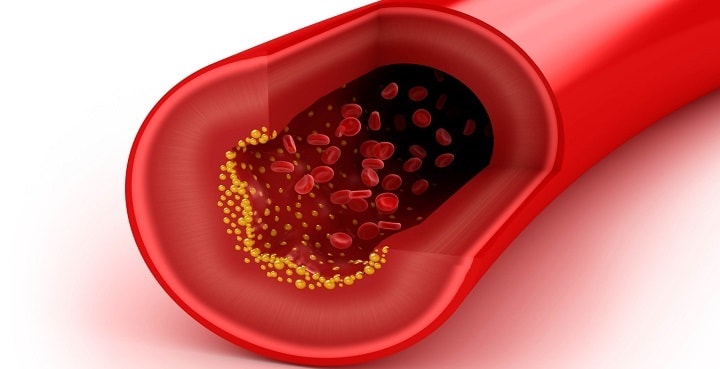
Cholesterol is cholesterol. It combines with other fats and proteins to be transported through the bloodstream, since Fat and our blood don't mix very well. Therefore, fatty substances must be transported from our tissues and cells with the help of proteins. LDL and HDL are forms of proteins and are far from being just cholesterol. In fact, we know that there are many of these protein and fat particles. LDL particles come in many sizes, and the particles of Longer LDL particles are not a problem. The only ones that pose a potential problem are the so-called particles Small LDL particles, because they can pass through the arterial walls, and if they oxidize—a process also known as rancidity—they can cause damage and inflammation.( That's why we use coconut oil instead of olive oil) Therefore, one could say that there is «good LDL» and «bad LDL.». Also, some HDL particles are better than others. So knowing your total cholesterol level tells you very little. Even knowing your LDL and HDL levels won't tell you much. »The ratio of LDL to HDL is more informative.". Marc Bony,DC