
Its name comes from the Greek proteos what does that mean fundamental, which is related to the important role they play in life.
Proteins are molecules made up of linear chains of amino acids. In total, there are 20 amino acids, which can be thought of as the alphabet—with its 26 letters—that make up millions of words. The 20 amino acids combine in approximately 50,000 different combinations to form various protein structures in the body. Just as different words have different meanings, different amino acid structures produce different tissues, such as muscle and cartilage.
Proteins have many functions in the body. They are essential for the body's growth and perform a vast number of different functions, including:
• Structural. This is the most important function of a protein (e.g., collagen)
• Immunological (antibody)
• Enzymatic (e.g., sucrose and pepsin)
• Contractile (actin and myosin)
• Homeostatic: They help maintain pH (they act as a chemical buffer)
• Signal transduction
• Protective or defensive
2 categories of proteins
Proteins have been classified into two groups: complete and incomplete proteins.
Complete proteins:
For a protein to be considered complete, must contain all the 10 essential amino acids. Remember that “essential amino acids” are molecules that the body does not produce. This means that it contains everything the body needs to produce all types of protein structures.
The 10 essential amino acids are:
• Valine • histidine • lysine • isoleucine • methionine • leucine • phenylalanine • tryptophan
• threonine • arginine
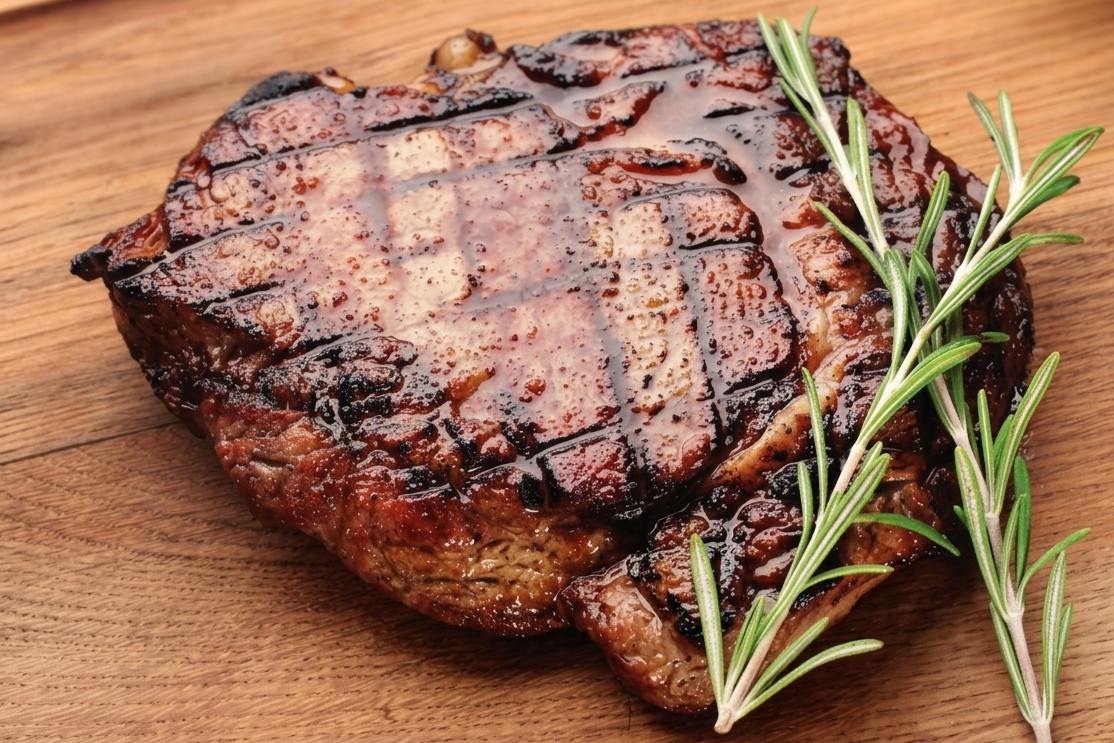
There are a number of foods that contain all 10 amino acids, including chicken, eggs, fish, red meat, milk, and dairy products. It's worth noting that most sources of protein complete come from animal sources. However, you can eat a diet rich in plant-based proteins and meet all of your daily protein needs, which amount to about 60 grams per day for an adult.
Incomplete proteins:
An incomplete protein is a food that lacks one or more of the 10 essential amino acids. Foods considered incomplete proteins include plant-based foods such as beans, rice, grains, legumes (except soy), and vegetables.
2 Major Controversies Surrounding Protein
In recent decades, there has been a great deal of controversy surrounding the issue of eating too much red meat and/or dairy products. Health experts have reported that high consumption of red meat may be linked to heart disease, and that the protein from milk and dairy products are related to the multiple sclerosis, allergies, and neurological disorders.
- What we don't know is that the culprit is commercially cultivated red meat, not red meat from organically raised animals.
What cows eat determines the type of meat they provide to consumers. If the farmer feeds the cows corn (food that cows are not meant to eat as part of their natural diet) their meat will end up high in omega-6 fatty acids, which promote the inflammation in the body. Here we see a direct link to heart disease caused by inflammation of the arteries due to hardening of the arteries.
Eating beef from cattle raised on an organic farm where the animals roam freely and doesn't eat corn it has a completely different image. In this case, There is no inflammation, on the contrary, Omega-3 fats will increase in your diet.
Milk and dairy products are a different matter. Milk consists of three parts: fat or cream, whey, and solids dairy products. The The problem lies in the milk solids, which are composed of many different proteins in addition to lactose and other sugars, according to Dr. Woodford, Professor of Farm and Agricultural Business Management at Lincoln University in New Zealand. One of those proteins is the beta-casein. Proteins are long chains of amino acids with many branches extending from the main chain. Beta-casein is a chain with 229 amino acids, and proline is at position 67—at least in older breeds of cows, known as A2. These include Guernsey, Jersey, Asian, and African cows.
Cows that have this mutated beta-casein are A1 cows. These are historically more recent breeds, such as Holstein and Friesian cows.
The chain originating from this histidine It is a protein fragment known as beta-casomorphin 7 (BCM 7). The negative effects of this fragment can be devastating, as it is a powerful opioid or narcotic as well as an oxidizing agent.
There is an important difference between human beta-casein and the beta-casein produced by A1-type cows. Human beta-casein is more similar to the A2 type, which means that human milk releases much less beta-casomorphin than A1 milk. Researchers in New Zealand conducting tests on human milk found that it contained less than 1% of beta-casomorphin-7 protein compared to the same amount of milk from an A1 cow. This means that the narcotic effects of human milk for feeding infants are less than one-hundredth of those produced by A1 milk.
It is not known whether the protein beta-casomorphin 7 could be a problem in cheese, ice cream, yogurt, milk, or other dairy products. In France, A1 cow breeds are not accepted, and French cheeses are made with A2 milk.. To date, there is only one dairy processing plant in the U.S. that uses A2 cows, located in Nebraska Firth.
The absorption of this protein is much lower in people with healthy digestive tracts, suggesting that Maintaining digestive health should be a priority for everyone who drinks milk in countries where A1 cows are the majority. One of the best ways to achieve this is through daily consumption of probiotic foods. Such as alternative, We can also use A2-type goat's milk.
Plant-Based Proteins vs. Animal-Based Proteins
Food from plant-based They contain protective substances such as fiber, antioxidants, and photochemicals, which are clearly linked to health and quality of life. In addition, they are cholesterol-free, and their unsaturated fat content is generally very low. When meat is digested, all the intermediate processes that natural chemicals undergo to be transformed into proteins.
Sources
Woodford, Keith. *Devil in the Milk*. Published by Potton & Burton, 2007.