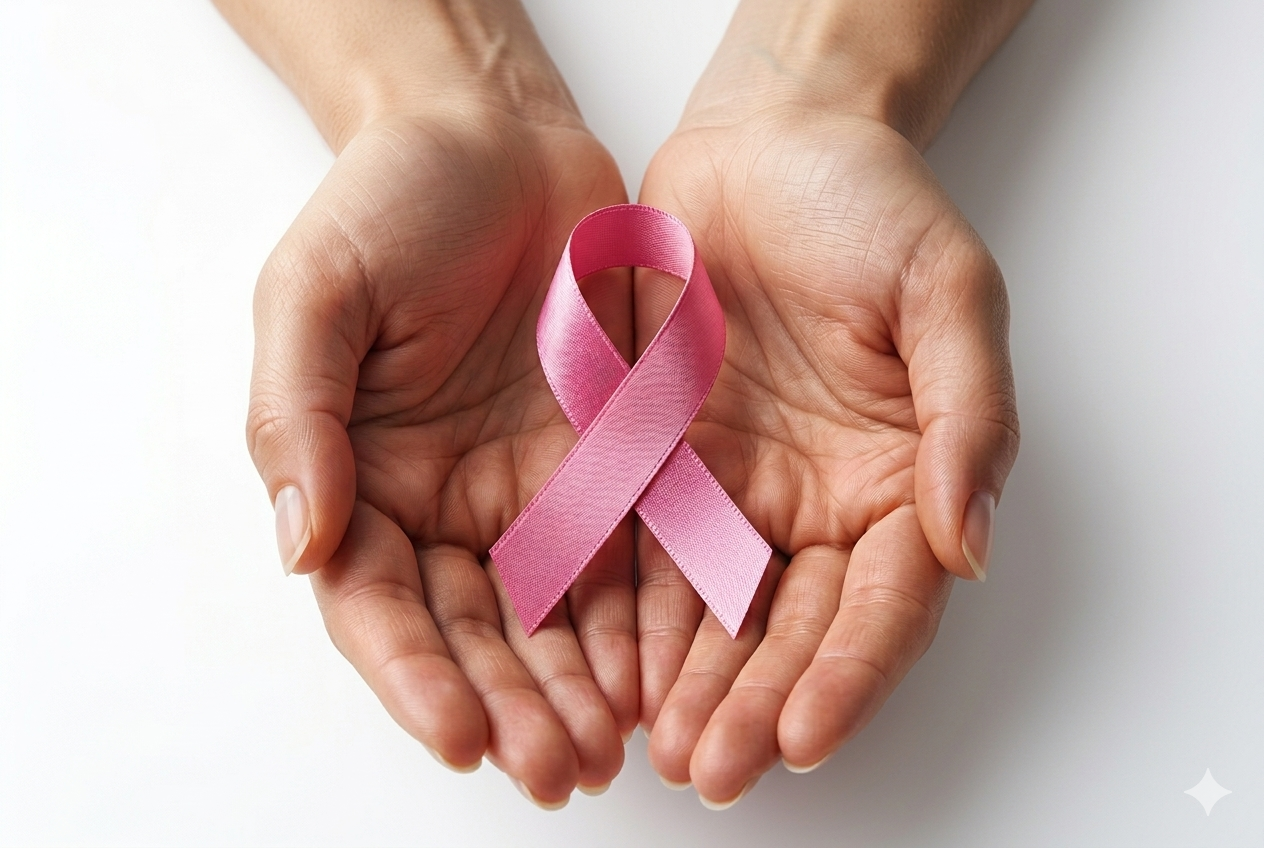
Breast Health and Women's Well-Being: A Natural, Chiropractic, and Holistic Approach
Breast Health from a Holistic Perspective of the Body
Breast health is a fundamental aspect of a woman’s overall well-being. From an integrative and natural perspective, an increasing number of wellness professionals—including chiropractors—emphasize the importance of viewing the body as an interconnected system, in which the nervous system, hormonal balance, breathing, lifestyle, and emotional state all play a key role.
Through chiropractic care and other natural approaches, the goal is to optimize the body’s function without unnecessary interventions, promoting the body’s self-regulation.
Early Detection, Overdiagnosis, and the Current Debate
It has long been believed that systematic screening for breast cancer reduces mortality, which has justified widespread mammography campaigns.
However, some critics point out that early detection can lead to significant side effects, such as overdiagnosis. This occurs when microtumors or cells are detected that may not progress to serious disease or may even disappear spontaneously.
According to this view, this process can lead to invasive treatments such as:
- Tumorectomies
- Mastectomies
- Radiation Therapy
- Chemotherapy
These treatments may involve pain, physical and emotional side effects, and in some cases, their necessity is questioned in very early or non-progressive stages.
It is also noted that studies such as those by Gilbert Welch (Dartmouth) have sparked debate about the actual impact of mammography on reducing mortality, as well as findings of ductal carcinoma in situ in the tissues of healthy women who died from other causes.
Dr. Christiane Northrup's Perspective on Women's Health
Some of these ideas align with the perspective of Dr. Christiane Northrup, who has been a leading voice in women's holistic health.
According to this approach, conventional medicine tends to focus on detecting diseases, which can turn the body's natural processes into potential pathologies.
She argues that:
- The body is constantly renewing itself
- Health depends on physical, emotional, and mental nutrition
- Well-being is not based solely on diagnostic tests
She also points out that the breasts should not be viewed as “pre-malignant areas,” but rather as part of a living, balanced system.
Holistic Health and Its Relationship to Chiropractic
From a chiropractic perspective, this approach takes on special significance, since it is understood that:
- The nervous system controls all of the body's functions
- Stress on the spine can affect nerve communication
- The balance of the nervous system influences hormonal and immune self-regulation
A nervous system free of interference promotes overall health, including the well-being of the endocrine and breast systems.
For this reason, chiropractic care is part of a broader approach to preventive and natural health.
“”Many cases of cancer can be cured naturally." (an integrative approach)
Some schools of integrative medicine, including Dr. Northrup, suggest that the immune system can recognize and eliminate abnormal cells when the body is in optimal condition.
These conditions include:
- Adequate Sleep
- Healthy, Low-Glycemic-Index Diet
- Optimal Vitamin D Levels
- Managing Emotional Stress
It also highlights the importance of the emotional environment, such as managing anger, resentment, and sadness.
10 Tips for Breast Health (An Integrative Approach and Lifestyle)
Dr. Northrup suggests a series of habits that support women's health from a holistic perspective:
1. Get enough sleep. Rest is essential for hormone regulation and stress management.
2. Meditate daily for 3 to 12 minutes to calm the nervous system.
3. Start the day with positive affirmations. It strengthens the mind-body connection.
4. Exercise regularly, including strength training, endurance training, core exercises, and stretching.
5. Breathing through the nose correctly helps activate the parasympathetic nervous system and promote the production of nitric oxide.
6. Practicing self-love. This includes self-acceptance and conscious emotional work.
7. Optimize Vitamin D Levels: It is recommended to maintain adequate levels through sun exposure or supervised supplementation.
8. An Active Social Life: Human relationships are key to emotional well-being.
9. Epsom salt baths Promote relaxation and provide magnesium.
10. Gratitude Journal: Improves emotional well-being and reduces stress.
Breast Self-Examination: A Mindful Approach
Some studies have questioned the effectiveness of traditional self-examination in reducing mortality.
However, a different approach is proposed:
- Don't do it out of fear
- Do not actively look for “disease”
- Give a mindful and loving massage
This approach aims to foster a connection with one's own body without anxiety or hypervigilance.
Nutrition, Hormones, and Natural Prevention
A key factor in breast health is hormonal metabolism.
We recommend:
- Low-Glycemic Index Diet
- Avoid excess sugar, especially fructose
- Maintain a balance between insulin and estrogen
- Consider bioidentical hormone alternatives in certain cases
Lifestyle is considered a key factor in prevention and well-being.
The Role of Nitric Oxide, Respiration, and the Nervous System
The importance of nasal breathing in the production of nitric oxide is emphasized, as it influences:
- Blood Circulation
- Neurotransmitters
- General Well-Being
From an integrative perspective, this is related to the health of the nervous system, which is also a fundamental pillar of chiropractic care.
Chiropractic Care and Women's Health: A Key Connection
Chiropractic care can contribute to women's well-being by:
- Improving Nervous System Function
- Reducing Tension in the Spine
- Promote communication between the brain and the body
- Support the body's overall balance
A balanced nervous system is key to hormonal regulation, stress management, and overall health.
Conclusion: Taking Conscious Control of Your Health
Breast health should not be viewed in isolation, but rather as part of a complex system influenced by the body, the mind, and the environment.
The integrative approach proposes:
- Prioritize healthy lifestyle habits
- Reducing Fear Surrounding the Disease
- Promote the body's self-regulation
- Integrate tools such as chiropractic care, breathing techniques, nutrition, and emotional management
Ultimately, it's about living with greater awareness, balance, and connection to one's own body.