
At the Marc Bony Chiropractic Center in Mataró, we explore how probiotics and prebiotics can optimize your gut health and overall well-being.
Probiotics and Prebiotics
The human microbiota plays a vital role in the human body by regulating immune and inflammatory responses, the production of certain vitamins and biologically active substances, the binding of undigested food components and metabolites in the human body (such as uric acid, which causes gout), and the nourishment of the intestinal lining. .
What are probiotics, and why are they important?
Changes in the human microbiota caused by antibiotics, excessive carbohydrate intake, and prolonged use of oral contraceptives, immunosuppressants, and anti-inflammatory medications can lead to colon inflammation, yeast overgrowth, leaky gut syndrome, and ultimately lead to chronic fatigue, mental confusion, insomnia, and headaches. .
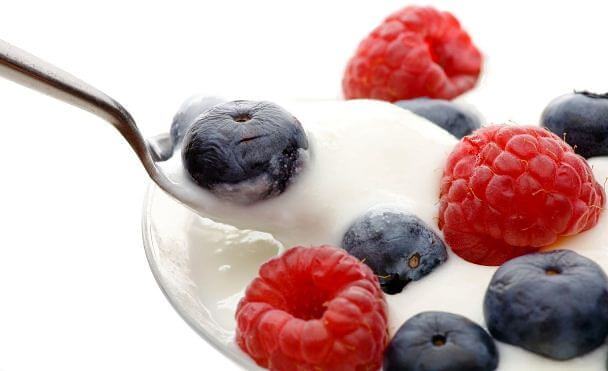
Probiotics They are live microorganisms that improve the balance of gut flora and suppress pathogenic microorganisms. They can be consumed as dietary supplements or as part of live-culture fermented foods, such as pickles, sauerkraut (fermented cabbage), yogurt, butter, kefir, kimchi, and gluten-free soy sauce. Clinical and research data show that probiotics benefit people with chronic diarrhea and irritable bowel syndrome (IBS). Certain strains of probiotics (Lactobacillus acidophilus, Lactobacillus casei, Lactococcus lactis) may aid in the digestion of lactose, soy proteins, and animal proteins (Lactobacillus plantarum). .
Probiotics (Lactobacillus salivarius, Bifidobacterium bifidus, Bifidobacterium lactis) can be used for the prevention of colon cancer and to lower cholesterol and blood pressure (Saccharomyces boulardii, Lactobacillus acidophilus, Lactobacillus casei). .
Another important aspect of probiotics (Saccharomyces boulardii, Lactobacillus acidophilus) is their ability to eradicate a microorganism that causes gastric and duodenal ulcers (Helicobacter pylori) and to reduce the symptoms of antibiotic-associated diarrhea (Clostridium difficile). Recently, a specific probiotic, “Bacillus coagulans,” has been shown to possess strong anti-inflammatory activity and to benefit people with rheumatoid arthritis and ulcerative colitis.
Finally, probiotics (Lactobacillus rhamnosus) can be used to treat various skin conditions, such as eczema. Selecting probiotics for individual use can be difficult due to the wide variety of strains and brands available on the market. Commercially available probiotics come in the form of single-strain or multi-strain preparations.
For general purposes, it is preferable to use multiple strain products to mimic the diverse environment of the human gut.
The amount of probiotics consumed is measured in colony-forming units (CFU). In general, if you take probiotics solely to maintain gut health, you should take 20 to 25 billion CFU per day. During antibiotic therapy, intake should be increased to 100 billion CFU per day.
The treatment of candidiasis, leaky gut syndrome, and colitis very often requires a daily dose of probiotics ranging from 100 to 500 billion CFU per day. The use of probiotics is not recommended for individuals with acute or chronic pancreatitis, those who have undergone stem cell or organ transplants, or those with a severely compromised immune system.
What are prebiotics, and why are they important?
Prebiotics They are food ingredients composed of non-digestible carbohydrates that stimulate the growth of beneficial bacteria (bifidobacteria and lactic acid bacteria) in the gastrointestinal tract.
Unlike probiotics, prebiotics are not live microorganisms but rather heat-resistant fibers such as these substances. The health effects of prebiotics are measured by the increased production of short-chain fatty acids by stimulated bacteria, which feed on the normal gut microbiota and provide energy to the epithelial cells that line the gut.
Natural foods rich in prebiotics include various vegetables such as asparagus, garlic, leeks, onions, and artichokes.
Another valuable source of prebiotics is brewer's yeast. My favorite prebiotic is mannan oligosaccharides, or MOS, a product derived from the cell wall of brewer's yeast (Saccharomyces cerevisiae).
MOS is not only a prebiotic but also a polysaccharide—an immune molecule that has one of the strongest stimulating effects on mucosal immune responses.
Another unique property of MOS includes its ability to inhibit the binding of pathogenic bacteria to the intestinal wall, restore intestinal villi, and stimulate digestive enzymes.
Other helpful tips:
Initial consumption of probiotics—especially at high doses and with high CFU counts—can lead to excess gas, bloating, and associated abdominal discomfort. Be patient; these problems usually go away within 3–4 days.
In general, it is recommended to take probiotics on an empty stomach. If you take probiotics at a dose of 100 billion CFU or more, divide your intake between the morning and the afternoon.
You don't have to take probiotics and prebiotics together. Prebiotics can be taken with meals. When traveling, try to use non-refrigerated probiotics, such as Bacillus coagulans. If you are taking antibiotics, space out your intake of prebiotics and antibiotics by at least 2 hours.