
Chiropractic and Veterinarians.
Animals and Chiropractic
Although there are many differences between dogs and humans, they share the common feature that the nervous system controls and coordinates all bodily functions. This is a fundamental truth for almost all life on Earth.
Therefore, it stands to reason that if interference with the human nervous system caused by subluxations can lead to health problems, the same should be true for non-human vertebrates, such as dogs.
Facts and Studies
The two authors of the following study were a chiropractor and a veterinarian. They began this study report by noting that over the past ten years, tremors and involuntary movements had been observed in dogs. They point out that determining the causes and types of tremors in dogs is more difficult than in humans.
However, there is a type of tremor known as orthostatic tremor. This type of tremor is more common in giant dog breeds, such as Great Danes, under two years of age, and occurs when the dog is at rest.
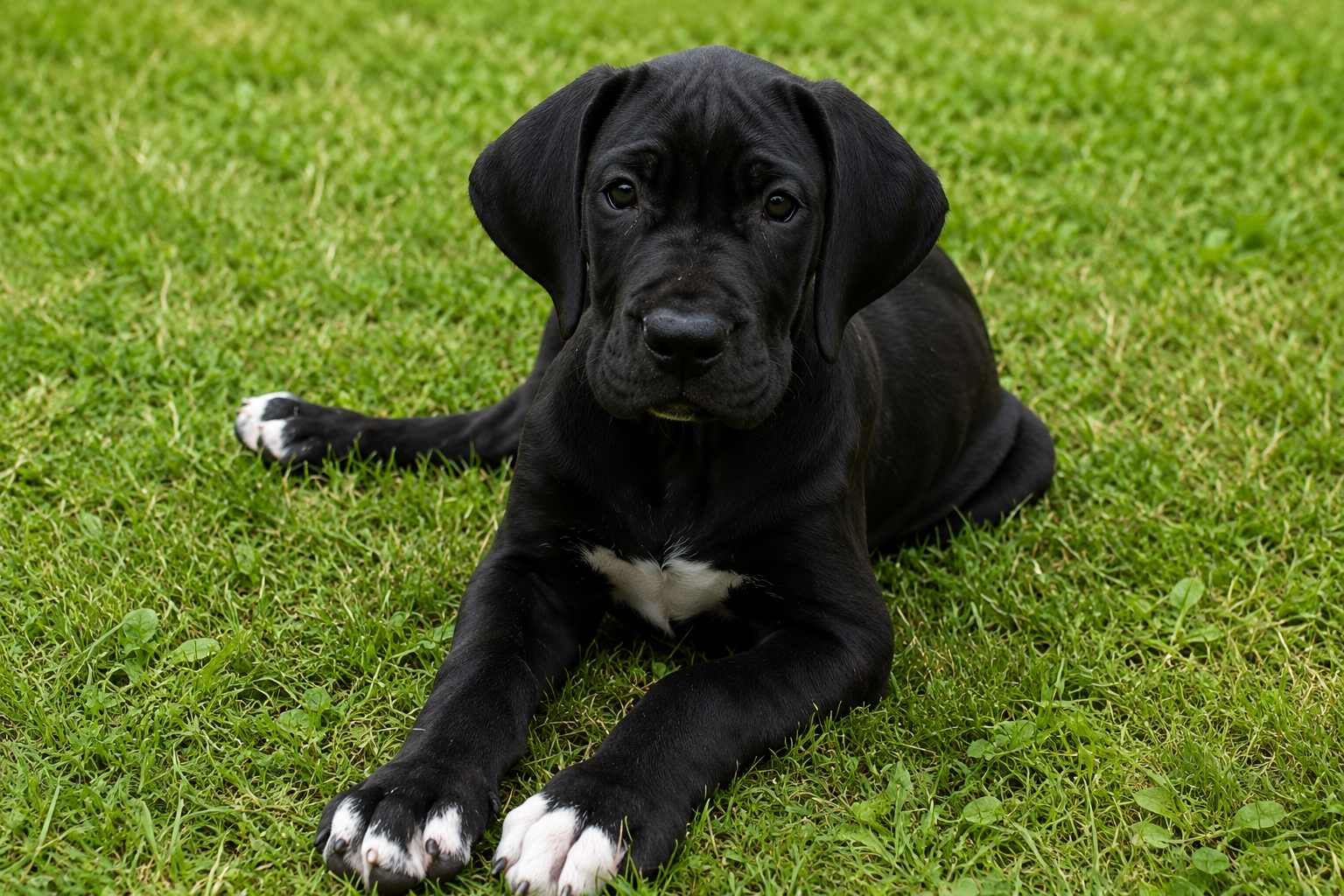
In this case, a 3-week-old male Great Dane was taken to a private veterinary and animal chiropractic clinic.
The puppy was the first to be born in the litter and was born breech. He had been experiencing tremors since birth. Immediately after birth, it was noticed that his hind legs were blue and cold, and they only warmed up after the dog’s owner wrapped the newborn puppy in a blanket.
The dog's owner reported that the puppy had weakness in its hind legs when it began to walk and shook as if it had Parkinson's disease. The puppy’s shaking subsided on its own, though it was still noticeable when walking. None of the other puppies in this litter showed any signs of this problem.
Veterinary Exam
A veterinary examination of the puppy showed that it was normal in most respects, but revealed the tremor. All other tests performed by the veterinarian showed no signs of tremors.
A chiropractic examination was also performed, consisting of static and dynamic palpation, with the aim of identifying restrictions or pain and assessing muscle tone along the puppy’s spine. Based on this examination, it was determined that multiple areas of subluxations were present. Based on these findings, the puppy received chiropractic care.
Results of Chiropractic Care
According to the study, just three days after the initial chiropractic treatment, the owner reported that the puppy was able to stand up and walk on two occasions with very little trembling. After two more weeks of treatment, the five-week-old puppy appeared normal and showed no signs of trembling.
In their discussion of the case, the authors noted: «Spinal manipulation has been performed on animals for centuries, but veterinarians and chiropractors have recently begun working together to improve practice, guidelines, and education for both professions.».
A Different Approach to Subluxation
They also explained the difference between what a veterinarian would diagnose as a subluxation and what a chiropractor would define as a subluxation: «Veterinarians tend to take a structural perspective, viewing a subluxation as a partial dislocation, whereas chiropractors view a subluxation from a more functional perspective, asserting that vertebral misalignments disrupt the body’s normal biomechanical and neurological functions.» Animals and Chiropractic