
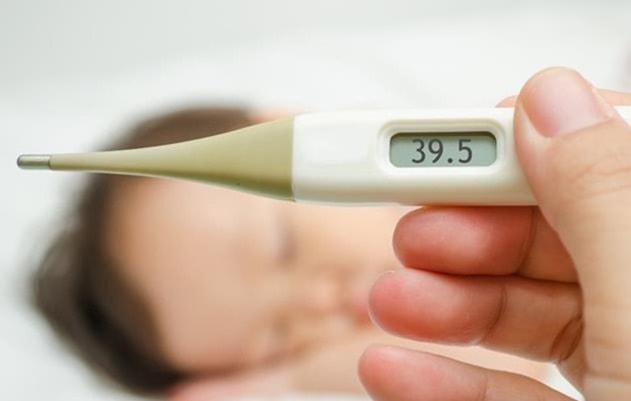
A fever is a vital response of our body—a natural defense mechanism that alerts us to possible infections. Understanding its function is essential to maintaining good health.
Fever: one of our body's defenses
A fever is one of the most important and effective signals our body uses to warn us that something is wrong. It is characterized by a temporary rise in body temperature in response to an illness, usually an infection.
Body Temperature
There is no specific information on how long a fever may last, as this will depend on the patient's individual circumstances, such as age or the type of infection or illness they are suffering from.
Thermometers are used to measure body temperature. There are two types: the most common are glass thermometers, but electronic thermometers have become more widely used in recent years.
A fever can be measured in the armpit, in the mouth, or in the buttocks via the rectum. A person is said to have a fever when their temperature is higher than 37.2–37.5°C, or higher than 38°C if measured rectally.
There are many factors that can affect our body temperature, and we must take them into account to avoid misdiagnosing a false fever: Our body temperature fluctuates throughout the day; for example, it is important to know that It is higher at night.
During the second phase of the a woman's menstrual cycle, Their body temperature may rise by up to one degree. Similarly, after engaging in some form of physical activity or experiencing strong emotions, their temperature may change.
Although it may seem obvious, to wear clothes that are too thick, an excessively high room temperature or an excessively humid environment can affect our body temperature.
Finally, it will be important to understand how certain factors can influence medications in our bodies to determine whether or not they can affect our body temperature.
What is the function of a fever? It is the body's natural defense mechanism.
Harsh environment: Most microorganisms require a a temperature of 37°C to survive. Our body, aware of this, raises this temperature to inhibit its growth.
Antibodies: when the temperature rises, increases white blood cell production, which are essential for combating this type of threat to our bodies.
Increased blood flow: This allows more white blood cells to reach the affected area to eliminate harmful microorganisms.
How to Treat a Fever: The Body's Natural Defense Mechanism
- When treating a fever, it's important to remember that the goal isn't to make it go away—which would actually be harmful to our health—but rather to lower it enough to improve the patient's health. Here are some tips for doing so:
- The most effective and necessary remedy is rest.
- Even if the patient asks for it—and especially if he or she is shivering—it is not advisable to cover him or her too heavily. As for bedding, it is best to use cotton or linen, since it absorbs sweat better.
- The room should be neither too hot nor poorly ventilated; if necessary, you can use a fan.
- Moisten the forehead or chest area with warm water using a sponge or a damp cloth. It might also be helpful a bath in warm water (never cold, as this could cause the patient to shiver, which in turn could raise their temperature). Both methods are effective.
- It's important replenish our bodies with fluids to prevent it from drying out. The most recommended ones are water and natural juices (not bricks), since other types of beverages such as the tea, coffee, or cola They cause the patient to urinate more frequently, which, combined with sweating, could have the opposite effect.
Contrary to popular belief, applying ice to the body or rubbing it with alcohol is not recommended because, although they cool the skin, they often cause a rise in body temperature by triggering chills.
- Last but not least, chiropractic spinal adjustments help the body fight off viruses by strengthening the immune system and thereby boosting its natural defenses.
Marc Bony, D.C. www.quiropractica1.com