Knee Pain and Meniscus Degeneration: Beyond the Joint
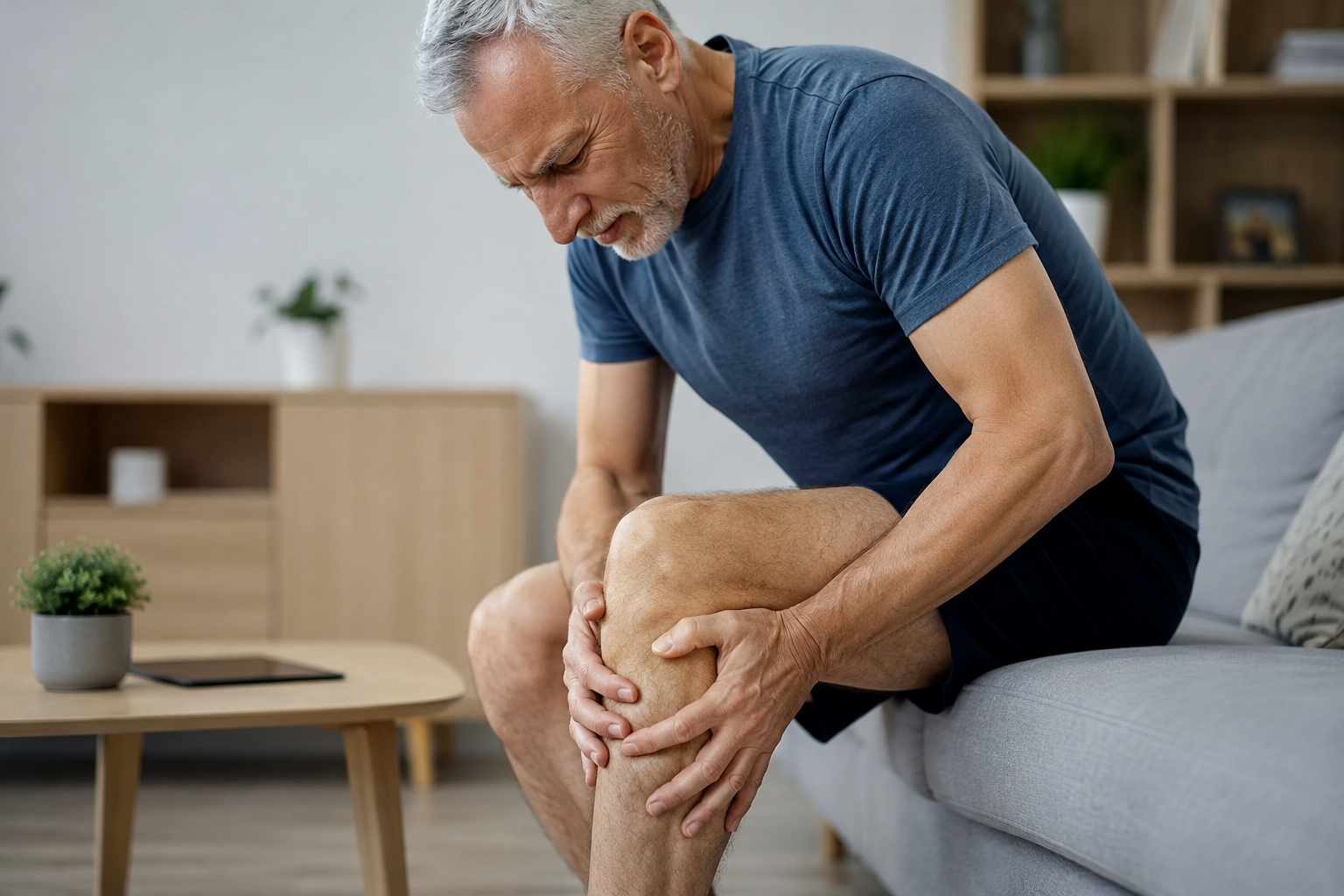
When knee pain or a meniscal injury occurs, attention is often focused exclusively on the affected joint. However, the body functions as a biomechanical unit in which posture, the pelvis, the spine, and gait can influence the loads placed on the knees.
A growing body of research suggests that certain postural abnormalities can alter the distribution of body weight and increase mechanical stress on one of the lower limbs.
What Is the Function of the Meniscus?
The menisci are fibrocartilage structures located between the femur and the tibia. Their main function is:
- Absorb impacts.
- Distribute the load while driving.
- Improve knee stability.
- Protect joint cartilage.
When the knee is subjected to excessive or repetitive forces over the course of many years, the meniscus can suffer progressive wear and tear.
The Importance of Body Alignment
The spine, pelvis, and lower extremities work together to maintain the body's balance.
When there is a postural abnormality, scoliosis, a functional difference in leg length, or muscular imbalances, body weight may be distributed unevenly.
This can cause one knee to bear more weight than the other during everyday activities such as walking, running, or standing.
Can Improper Weight Distribution Affect the Meniscus?
Various biomechanical studies have shown that increases in pressure in certain areas of the knee can accelerate the wear and tear of cartilage and menisci.
Although meniscal degeneration has many causes—age, physical activity, previous injuries, being overweight, or genetics—the way the body distributes weight can also play an important role in joint health.
For this reason, many healthcare professionals consider it essential to assess the patient's overall posture when there is persistent knee pain.
Signs That May Indicate a Postural Imbalance
Some common signs include:
-
- Uneven wear on shoes.
- A sensation of carrying more weight on one leg.
- Recurrent pain in one knee.
- Hip pain or associated lower back pain.
- Shoulders or pelvis that appear to be uneven.
The presence of one or more of these factors does not necessarily indicate an injury, but it may warrant a comprehensive biomechanical evaluation.
Prevention Is Essential
Detecting and correcting postural problems early on can help improve the distribution of body weight and reduce unnecessary stress on the joints.
In addition, maintaining good mobility, strengthening the stabilizing muscles, and maintaining a healthy weight are key strategies for protecting the menisci and ensuring long-term knee health.
How Can Chiropractic Help?
Chiropractic care focuses on assessing spinal mobility, posture, and body biomechanics.
The goal is to promote better musculoskeletal function and help the body maintain more efficient movement patterns.
Although chiropractic care does not directly treat meniscal injuries or replace specialized medical care, it can be part of a multidisciplinary approach aimed at improving mobility, posture, and overall well-being.
Chiropractic Care in Mataró (Maresme)
At the Marc Bony Chiropractic Center, we conduct personalized postural assessments to identify potential biomechanical imbalances that may be affecting joint mobility and comfort.
Our goal is to help you improve your quality of life through a natural, personalized, and prevention-focused approach.