
Top 5 Foods to Improve Your Gut Health
Gut Health
Before delving into topics such as improving digestive health and preventing intestinal diseases—such as leaky gut syndrome—it wouldn't hurt to have some background information.
So what exactly are probiotics? It seems that the term derives from both the Latin “pro” (for) and the Greek “bios” (life). Although some companies have lined their pockets by capitalizing on new consumer trends, scientific research on probiotics continues apace.
Therefore, it is very important not to be misled by the labels on certain products. The following is an explanation of the nature of probiotics and the role they are believed to play: Probiotics are considered to be probiotics are bacteria, or “good" microorganisms”s,“ which, when transported ”alive" directly to the digestive tract, positively modulate gene activity.
The result is that harmful microbes are eliminated, leading to a variety of health benefits, including:
• Improvements in the digestive system
• Production of essential vitamins, such as B12 and K
• Cholesterol reduction
• Reduced risk of allergies
• Boost the immune system. However, studies in the field of probiotics are constantly evolving, which is why not all of the proposed benefits have been officially adopted by EFSA (European Food Safety Authority), because not all claims are quantifiable at this time, and because of the multitude of associated factors, such as strain type, genus, species, storage conditions, and method of administration, among others.
With that said, let's look at some tips on how you can improve your health through food probiotics.
Top 5 Probiotic Foods
1. Vegetables and fermented cheeses
First and foremost, any fermented vegetable or fermented dairy product must be unpasteurized to prevent the natural probiotic cultures from being destroyed. Sauerkraut (fermented or pickled cabbage) is one of the most popular choices because of its high content of probiotic strains, such as Lactobacillus y Bifidobacterium.
Below are some alternatives:
• Pickled olives (or olives in vinegar). They're rich in probiotics. Make sure they're organic and buy them at your usual health food store or fruit shop (avoid commercial brands).
• Pickles. As in the previous case, try to find a local producer or variety and avoid commercial brands, since you won't get the necessary source of probiotics.
• Fermented cheese: Like all probiotic foods, it must be organic to preserve the natural production of probiotics.
It is even said that fermented cheese can contain even more “good” bacteria. Among other benefits, by incorporating more probiotic foods into your diet, you can: combat diarrhea, make food easier to digest, promote the growth of good bacteria, and improve lactose intolerance.
2. Kefir and kefir grains
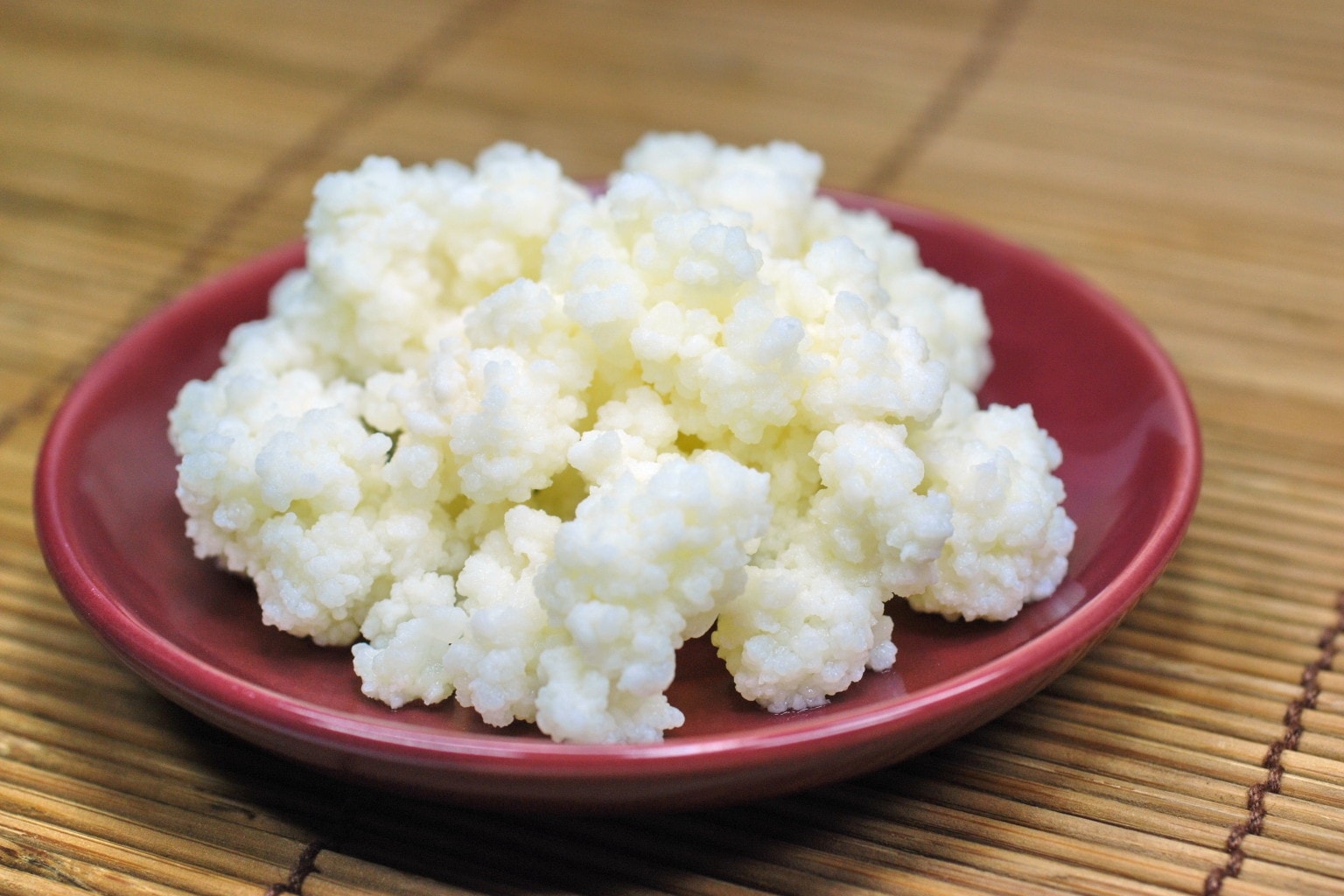
Kefir is a very tasty and refreshing milk drink. It is believed to have originated in the Caucasus Mountains of Asia, and the grains look quite a bit like cauliflower. Kefir contains high levels of probiotics—or microorganisms—such as yeast and lactic acid bacteria, as well as other essential substances, including lipids, sugars, proteins, and vitamins (B12 and K2, among others).
This means that drinking kefir can provide a variety of benefits, including alleviating or even preventing leaky gut syndrome; it is said to help treat irritable bowel syndrome and may increase bone density. Traditionally, it is consumed as a fermented milk drink made with kefir grains. Kefir (See "Fermented Foods" above for more benefits.).
The result is a lactose-free beverage rich in probiotics. Kefir has become quite popular in Europe, particularly in Scandinavia.
If you decide to buy kefir grains, be sure to add them to unpasteurized milk and leave the container at room temperature for at least 12 hours (preferably 24). Alternatively, you can use kefir grains.
3. Homemade Lemonade
It takes some time and effort, but it's worth it because this tasty, probiotic-rich drink will boost the immune systems of everyone in the family and improve your health. You'll need the following:
• Juice from about 10 lemons or limes
• Kefir grains
• 2.5 l filtered water (not too cold)
• 150–200 g pure cane sugar (unrefined)
In a large (airtight) jar, combine the following ingredients, stirring constantly: lemon (or lime) juice, kefir grains, water, and sugar. Let the mixture ferment for at least 2 days—enjoy!
4. Yogurt
Recent studies They point out that consuming one dairy drink or yogurt containing three strains of bacteria a day can provide multiple benefits for our intestines.
Probiotics modify gene activity in a beneficial way, just as certain components of pharmaceutical products do, in order to help convey instructions to cells to replace unwanted genes.
This gives our immune system a boost, in addition to providing blood pressure benefits. If you choose milk or yogurt as a source of probiotics, buy only organic yogurt or raw milk (without preservatives, additives, or added sugars).
If you want to add more flavor, you can turn it into a Mango Lassi (a traditional Indian drink).
5. Soybean Varieties
There are many options here, all of which are rich in probiotics and should be available at your local health food store or, in some cases, a supermarket.
Fermented soy (see the section on fermented foods for the associated benefits) contains several strains of probiotics, which improve gut and digestive health.
One of the most popular options is miso. It can be purchased as a seasoning or a paste and is mainly used in Japanese soups. Miso is made by fermenting soybeans with a type of Japanese fungus called Koji.
In addition to soup, you can spread it on bread or toast. Another option is Tempeh. Similar to the Miso, it's a variety from Indonesia, although it's eaten like a pastry. Its texture is like a cake, and depending on who you ask, it tastes like nuts or has a smoky flavor.
Tempeh It contains several probiotics that can not only help fight harmful bacteria but are also an important source of protein. It’s a great option for vegans and vegetarians because it can serve as a meat substitute in certain meals. Eat it raw so you don’t lose its probiotic properties.