
Exploring common food allergies can shed light on how they affect our health. At the Marc Bony Chiropractic Center in Mataró, we offer comprehensive solutions to improve your well-being through natural health.
The 8 Most Common Food Allergies
What is an allergy?
The immune system is influenced by the nervous system, hormones, diet, and emotional stress. If the nervous system is weak, the immune system does not function properly and may become sensitive and overreact to external substances, such as bee stings, medications, dust, pollen, pet dander, and foods. When the immune system is confused, it triggers a series of protective measures, including the release of chemicals such as histamine, which causes inflammation.
What causes allergies?
No one knows for sure, and these factors appear to be influenced by various elements, such as the prevalence of toxic substances in our environment (pesticides, pollution, other chemicals), the increased stress to which adults and children are subjected due to overstimulation from TV, computers, and video games, the growing use of trans fatty acids in our diets, and some study authors agree and suspect that vaccination may be a contributing factor. As the author Walene James stated in her book, *Immunization: The Reality Behind the Myth**, regarding autoimmune diseases and other immune system disorders—such as rheumatoid arthritis, rheumatic fever, and scleroderma— this is because vaccines tend to sensitize rather than immunize; consequently, the immune system overreacts to foreign particles rather than eliminating them.
Food Allergies
Food allergies are very common. In fact, they affect about 5% of adults and 8% of children—and these percentages are on the rise
Interestingly, although any food can potentially cause an allergy, most food allergies are caused by just eight foods. For people with a food allergy, even exposure to very small amounts of these foods can trigger an allergic reaction.
Symptoms can occur anywhere from a few minutes to a few hours after exposure and may include some of the following:
- Swelling of the tongue, mouth, or face
- Difficulty breathing
- Low blood pressure
- Vomiting
- Diarrhea
- Hives
- Itchy skin rash
In more severe cases, a food allergy can cause anaphylaxis . Symptoms, which can develop very quickly, include an itchy rash, swelling of the throat or tongue, difficulty breathing, and low blood pressure. Some cases can be fatal
Many food intolerances are often confused with food allergies.
However, food intolerances never involve the immune system. This means that while they can seriously affect your quality of life, they are not life-threatening.
True food allergies can be divided into two main types: antibody IgE or a non-IgE antibody. Antibodies are a type of protein in the blood that your immune system uses to recognize and fight infection.
In an IgE-mediated food allergy, the IgE antibody is released by your immune system. In a non-IgE-mediated food allergy, IgE antibodies are not released, and other parts of the immune system are used to combat the perceived threat.
Here are the eight most common food allergies.
1. Cow's milk
Cow's milk allergy is more common in infants and young children, especially when they have been exposed to cow's milk protein before six months of age.
It is one of the most common childhood allergies, affecting 2–3% of infants and young children.
However, about 90% of children will outgrow the condition by the time they turn 3, so it is much less common in adults.
An allergy to cow's milk can be either IgE-mediated or non-IgE-mediated, but IgE-mediated cow's milk allergies are the most common and potentially the most severe.
Children or adults with an IgE allergy tend to have a reaction within 5 to 30 minutes of drinking cow's milk. They experience symptoms such as swelling, skin rashes, hives, vomiting, and, in rare cases, anaphylaxis.
A non-IgE allergy generally involves more symptoms related to the digestive system or intestines, such as vomiting, constipation, or diarrhea, as well as inflammation of the intestinal wall.
A non-IgE-mediated milk allergy can be quite difficult to diagnose. This is because the symptoms sometimes suggest an intolerance, and there are no blood tests for it.
If a diagnosis of cow's milk allergy is made, the only treatment is to avoid cow's milk and foods that contain it. This includes any food or beverage that contains:
- Milk
- Powdered milk
- Cheese
- butter
- Margarine
- yogurt
- Cream
- Ice Cream
Mothers who breastfeed babies with allergies will also need to avoid cow's milk products and foods containing them from their own diets.
For babies who are not being breastfed, a healthcare professional will recommend a suitable alternative to cow's milk-based formula.
2. eggs
An egg allergy is the second most common cause of food allergies in children.
However, 68% of children who are allergic to eggs will outgrow their allergy by the time they turn 16.
Symptoms include:
- Digestive discomfort, such as a stomachache
- Skin reactions, such as hives or a rash
- Respiratory problems
- Anaphylaxis (which is rare)
Interestingly, it is possible to be allergic to egg whites but not to egg yolks, and vice versa. This is because the proteins in egg whites and egg yolks differ slightly.
However, most of the proteins that trigger an allergic reaction are found in egg whites, so an allergy to egg whites is more common.
Like other allergies, the treatment for an egg allergy is an egg-free diet.
However, you may not need to avoid all foods containing eggs, since cooking eggs can change the structure of the proteins that cause allergies. This may prevent your body from recognizing them as harmful, which means they are less likely to trigger a reaction.
In fact, one study found that about 70% of children with egg allergies could tolerate eating cookies or cakes containing a cooked egg ingredient.
However, this is not a common type of allergy, and the consequences of eating eggs when you are allergic can be serious. For this reason, you should consult your doctor before reintroducing any food that contains eggs.
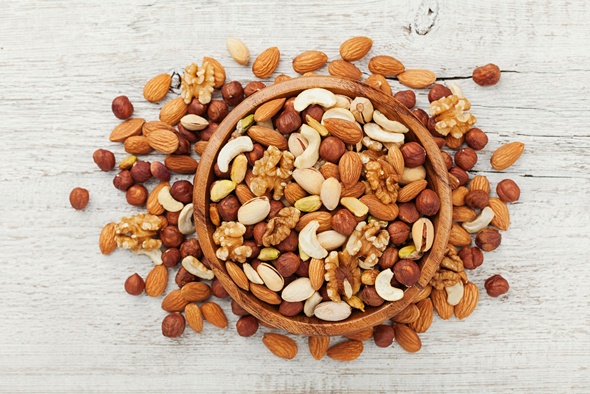
3. Nuts and dried fruits
A nut allergy is an allergy to certain nuts and seeds that come from trees.
It is a very common food allergy that is believed to affect about 1% of the population.
Some examples include:
- Brazil nuts
- Almonds
- Cashew nuts
- Macadamia nuts
- Pistachios
- Sprockets
- Walnuts
People with a nut allergy will also be allergic to food products made with these nuts, such as nut butters and oils.
It is recommended that you avoid all types of nuts, even if you are allergic to only one or two types.
This is because being allergic to one type of nut increases your risk of developing an allergy to other types.
In addition, it's easier to avoid all nuts rather than just one or two types. And unlike some other allergies, a nut allergy is generally a lifelong condition.
Allergies can also be very serious, and nut allergies are responsible for about 50% of anaphylaxis-related deaths.
For this reason, people with nut allergies (as well as those with other life-threatening allergies) are advised to carry an EpiPen (epinephrine auto-injector) with them at all times.
A EpiPen It is a potentially life-saving device that allows people with allergies to inject themselves with epinephrine if they begin to experience a severe allergic reaction.
Adrenaline is a natural hormone that stimulates the body's “fight-or-flight” response when you're stressed.
When administered as an injection to people experiencing a severe allergic reaction, it can reverse the effects of the allergy and save the person's life.
4. Peanuts
Like nut allergies, peanut allergies are very common and can cause severe and potentially life-threatening allergic reactions.
However, peanuts are not part of the same family, as they are considered a separate group; a peanut is a legume. Nevertheless, people with peanut allergies are often also allergic to tree nuts.
Peanut allergies affect about 4–8% of children and 1–2% of adults.
However, about 15–22% of children who develop a peanut allergy will find that it resolves as they reach their teens.
Like other allergies, this allergy is diagnosed using a combination of the patient's medical history, skin tests, blood tests, and food challenges.
At this time, the only effective treatment is to avoid peanuts and products that contain them.
5. Seafood
A seafood allergy is caused by your body reacting to proteins found in crustaceans and mollusks, which are collectively known as seafood.
Examples of seafood include:
- Shrimp
- Prawns
- Crayfish
- lobster
- Squid
- Scallops
The most common trigger of a seafood allergy is a protein called tropomyosin . Other proteins that may play a role in triggering an immune response include arginine kinase and myosin light chain.
Symptoms of a shellfish allergy usually appear quickly and are similar to those of other IgE-mediated food allergies.
However, a true seafood allergy can sometimes be difficult to distinguish from an adverse reaction to a contaminant in seafood, such as bacteria, viruses, or parasites.
This is because the symptoms can be similar, since both can cause digestive problems such as vomiting, diarrhea, and stomach pain.
A seafood allergy does not tend to go away over time, so most people with this condition must eliminate all seafood from their diet to avoid having an allergic reaction.
Interestingly, even the steam from cooking seafood can trigger a seafood allergy in those who are allergic. This means that many people are also advised to avoid being near seafood while it is being cooked.
6. Wheat
A wheat allergy is an allergic reaction to one of the proteins found in wheat.
It tends to affect children more. However, children with a wheat allergy often outgrow it by the time they turn 10.
Like other allergies, this wheat allergy can cause digestive discomfort, hives, vomiting, skin rashes, swelling, and, in severe cases, anaphylaxis.
It is often confused with celiac disease and non-celiac gluten sensitivity, which can have similar digestive symptoms.
However, a true wheat allergy causes an immune response to one of the proteins found in wheat. This reaction can be severe and sometimes even fatal.
On the other hand, celiac disease and non-celiac gluten sensitivity are not life-threatening. They are caused by an abnormal immune reaction to one of the specific proteins in gluten.
People with celiac disease or non-celiac gluten sensitivity must avoid wheat and other grains that contain gluten.
People with a wheat allergy only need to avoid wheat and grains that contain it, and they can tolerate gluten-free grains.
A wheat allergy is often diagnosed through skin tests.
The only treatment is to avoid wheat or other grains that contain it, as well as products that contain wheat. This means avoiding foods, as well as beauty and cosmetic products, that contain wheat.
7. Soybeans
Soy allergies affect about 0.4% of children and are more common in infants and children under three years of age.
They are triggered by a protein found in soy or products containing soy. However, about 70% of children who are allergic to soy outgrow the allergy.
Symptoms can range from itching or a tingling sensation in the mouth and a runny nose to a rash, asthma, or difficulty breathing. In rare cases, a soy allergy can also cause anaphylaxis.
Interestingly, a small number of babies who are allergic to cow's milk are also allergic to soy.
Common triggers of soy allergy include soy and soy products such as soy milk or soy sauce. Since soy is found in many foods, it is important to read food labels.
Like other allergies, the only treatment for a soy allergy is to avoid soy.
8. Fish
Fish allergies are common, affecting up to about 2% of adults.
Unlike other allergies, it is not uncommon for a fish allergy to develop later in life; 40% of people develop the allergy as adults.
Like a shellfish allergy, a fish allergy can cause a severe and potentially life-threatening allergic reaction. The main symptoms are vomiting and diarrhea, but in rare cases, anaphylaxis may also occur.
This means that people who are allergic to fish usually carry an EpiPen with them in case they accidentally eat fish.
Because the symptoms can be similar, a fish allergy is sometimes mistaken for a reaction to a contaminant in the fish, such as bacteria, viruses, or toxins.
Furthermore, since shellfish and finned fish do not contain the same proteins, people who are allergic to shellfish may not be allergic to fish.
However, many people with fish allergies are allergic to one or more types of fish.
Other foods
The 8 food allergies described above are the most common.
However, there are many more.
Less common food allergies can cause a range of symptoms, ranging from mild itching of the lips and mouth (known as oral allergy syndrome) to life-threatening anaphylaxis.
Some less common food allergies include:
- Flaxseed
- Sesame seed
- Peach
- Banana
- Avocado
- Kiwi
- Passion fruit
- Celery
- Garlic
- Mustard seeds
- Anise
- Chamomile
Any food can cause an allergy. Other foods that people are allergic to include fruits, vegetables, and seeds.
Do you think you have a food allergy?
It can sometimes be difficult to distinguish between food allergies and food intolerances.
If you suspect you have a food allergy, it is important to talk to your doctor and ask to undergo a thorough examination.
To determine whether you have an allergy or an intolerance, your doctor will likely perform a series of diagnostic tests
- Reviewdietetics : A detailed account of the foods consumed, including the time and any symptoms.
- Skin prick test: A small amount of food is “dusted” onto the skin using a tiny needle. The skin is then monitored for a reaction.
- Oral feeding challenges: The problematic substance is consumed in a controlled environment under medical supervision in progressively larger amounts.
- Blood tests: In some cases, a blood sample will be taken to measure IgE antibody levels.
As we mentioned at the beginning of this article, a weakened nervous system is linked to allergies. Therefore, having a strong, well-functioning nervous system helps overcome and improve any allergic condition.
Visit your chiropractor, who will help you lead a healthier life