

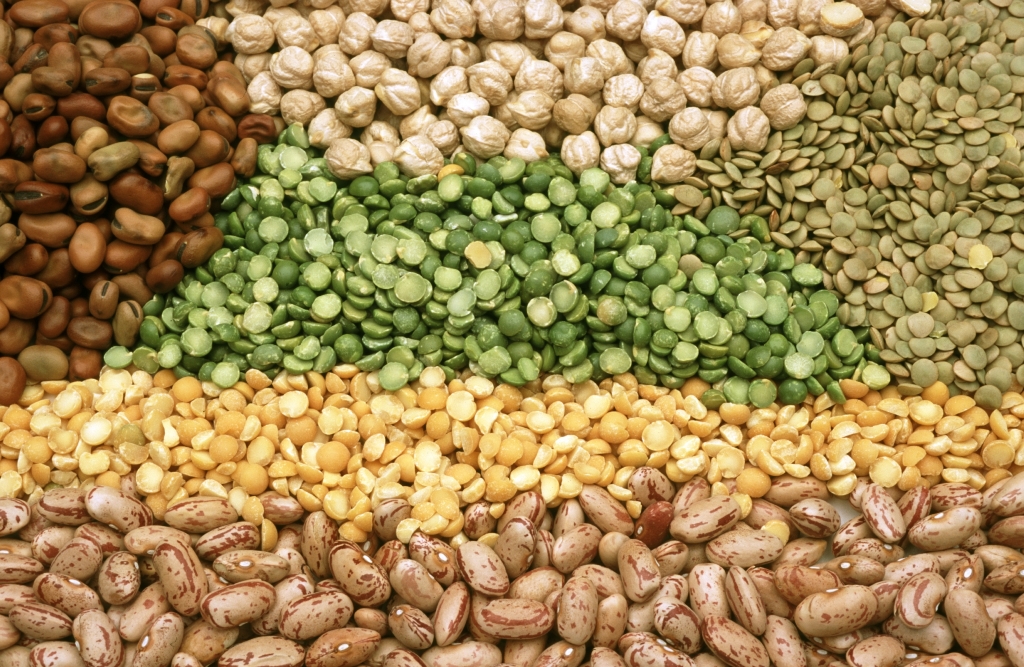
Discover how legumes—a rich source of fiber and protein—can transform your health. Learn about the 3 healthiest legumes you can include in your daily diet.
Legumes are the fruits or seeds of a family of plants called Fabaceae. They are commonly eaten around the world and are a rich source of fiber and B vitamins.
They are also a great meat substitute as a source of plant-based protein, offering a range of health benefits, including lowering cholesterol, reducing blood sugar levels, and improving gut health.
“The foods you eat have a major impact on the types of bacteria that live inside you.” (https://nutricionsinmas.com/10-formas-de-promover-las-bacterias-intestinales-basadas-en-la-ciencia/)
Here are three of the healthiest beans and legumes you can eat, and why they're good for you.
1. Chickpeas
Legumes such as chickpeas can help reduce weight, lower risk factors for heart disease, and potentially even reduce the risk of cancer, especially when they replace red meat in the diet.
One cup (164 grams) of cooked chickpeas contains approximately:
- Calories: 269
- Protein: 14.5 grams
- Fiber: 12.5 grams
- Folate (vitamin B9): 71% of the RDA
- Manganese: 84% of the RDA
- Copper: 29% from the IDR
- Iron: 26% from the IDR
Chickpeas are particularly beneficial for lowering blood sugar and increasing insulin sensitivity compared to other carbohydrate-rich foods.
In a study of 19 women, those who ate a meal containing 1.7 ounces (50 grams) of chickpeas had significantly lower blood sugar and insulin levels than those who ate the same amount of white bread or other foods containing wheat.
Several studies have shown that chickpeas can lower both total cholesterol and «bad» low-density lipoprotein (LDL) cholesterol, which are risk factors for heart disease.
The gut and the beneficial bacteria within it play an important role in many aspects of health, so eating foods that contain dietary fiber is extremely beneficial.
2. Lentils
Lentils are a great source of plant-based protein and can be excellent additions to soups and stews. They also offer a number of health benefits.
One cup (198 grams) of cooked lentils contains approximately:
- Calories: 230
- Protein: 17.9 grams
- Fiber: 15.6 grams
- Folate (vitamin B9): 90% of the RDA
- Manganese: 49% of the RDA
- Copper: 29% from the IDR
- Thiamine (vitamin B1): 22% of the RDA
Like chickpeas, lentils can help lower blood sugar levels compared to other foods.
In a study of 24 men, those who were served pasta and tomato sauce with lentils ate significantly less during the meal and had lower blood sugar levels than those who ate the same meal without lentils.
Another study of more than 3,000 people found that those who consumed the most lentils and other legumes had the lowest rates of diabetes.
Some studies have shown that lentils promote gut health by improving bowel function and slowing the rate at which the stomach empties, which may aid digestion and help prevent spikes in blood sugar.
Finally, lentil sprouts can also support heart health by lowering «bad» LDL cholesterol and raising «good» HDL cholesterol.
3. Peas
Like many other legumes, peas are a great source of fiber and protein. A large body of research has shown that the fiber and protein in peas—which can be used as supplements—offer a number of health benefits.
One cup (160 grams) of cooked peas contains approximately:
- Calories: 125
- Protein: 8.2 grams
- Fiber: 8.8 grams
- Folate (vitamin B9): 24% of the RDA
- Manganese: 22% of the RDA
- Vitamin K: 481 TP3T of the RDA
- Thiamine (vitamin B1): 30% of the RDI
A study of 23 overweight people with high cholesterol found that eating 1.8 ounces (50 grams) of pea flour per day for 28 days significantly reduced insulin resistance and belly fat, compared with wheat flour.
Pea flour and pea fiber have shown similar benefits in other studies by reducing the rise in insulin and blood sugar after a meal, lowering blood triglycerides, and increasing feelings of fullness.
Because fiber feeds the healthy bacteria in the gut, pea fiber can also improve gut health. One study showed that it can increase the frequency of bowel movements in older adults and reduce the use of laxatives.



[…] Add the cooked, rinsed, and drained chickpeas and the vegetables to the pasta […]