At the Marc Bony Chiropractic Center in Mataró, we focus on natural health. Discover how certain foods can help you lower your cholesterol effectively.
Cholesterol: The 5 Foods to Lower Cholesterol
Can a bowl of oatmeal help lower cholesterol?
How about a handful of nuts or even a baked potato with a little healthy margarine?
A few simple changes to your diet, such as these, may be enough to lower your cholesterol to a healthy level and help you stay off medication. Diet can play an important role in lowering your cholesterol levels. Here are five foods that can lower your cholesterol and protect your heart.
1. Oatmeal, oat bran, and high-fiber foods Oats contain soluble fiber, which lowers your low-density lipoprotein (LDL), or «bad» cholesterol. Soluble fiber is also found in foods such as beans, apples, pears, barley, and prunes. Soluble fiber can reduce the absorption of cholesterol into your bloodstream. 5 to 10 grams or more of soluble fiber per day lowers LDL and total cholesterol. Eating 1½ cups of cooked oats provides 6 grams of fiber. Adding fruit, such as bananas, adds about 4 more grams of fiber. For a change of pace, try steel-cut oats or cold cereal made with oat flour or oat bran.
2. Fish and Omega-3 Fatty Acids Eating fatty fish can be good for your heart because of its high levels of omega-3, which can lower your blood pressure and reduce your risk of developing blood clots.
In people who have already had heart attacks, fish oil or omega-3 fatty acids reduce the risk of sudden death. Doctors recommend eating at least 2 servings of fish per week. The highest levels of omega-3 fatty acids are found in: • Mackerel • Lake trout • Herring • Sardines • Albacore tuna • Salmon • Grouper You should bake or grill the fish to avoid adding unhealthy fats.
If you don't like fish, you can also get small amounts of omega-3 fatty acids from flaxseed or canola oil. You can take an omega-3 or fish oil supplement to get some of the benefits, but you won’t get other nutrients found in fish, such as selenium. If you decide to take the supplement, just remember to watch your diet and eat lean meat or vegetables instead of fish.
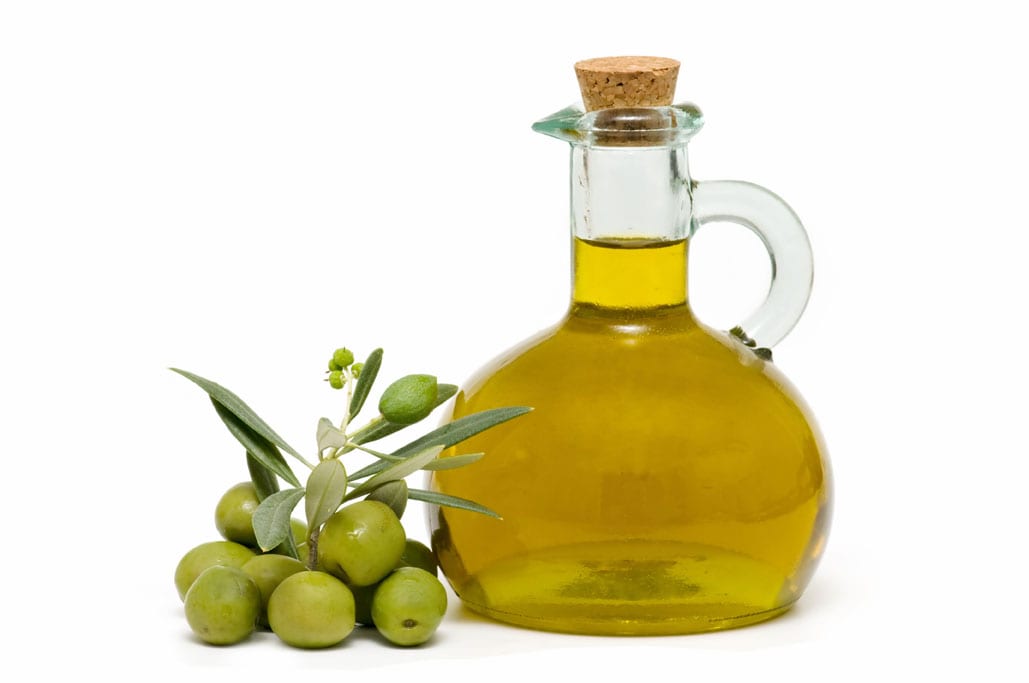
4. Olive oil for cold dishes Olive oil contains a powerful blend of antioxidants that can lower your «bad» cholesterol (LDL) while leaving the «good» cholesterol (HDL) untouched. The Food and Drug Administration recommends using about 2 tablespoons (about 23 grams) of olive oil per day in place of other fats in your diet to get the best heart-health benefits. But you shouldn’t use olive oil as a substitute for butter when basting meat or as a dip for bread.
Olive oil is high in calories, so we shouldn't eat more than the recommended amount. The best way to heat the oil is coconut oil It also helps reduce the cholesterol The cholesterol-lowering effects of olive oil are even greater if you choose extra virgin olive oil, which means the oil is less processed and contains more heart-healthy antioxidants. But keep in mind that olive oils are generally more refined than virgin or extra virgin olive oils; they are lighter in color, though no less fatty or lower in calories.
5. Foods with added plant sterols or stanols Today, there are some foods available that have been fortified with sterols or stanols, which are substances found in plants that help block the absorption of cholesterol. Margarines, orange juice, and yogurt drinks with added plant sterols can help lower LDL cholesterol by more than 10 %.
The daily amount of plant sterols needed to achieve results is at least 2 grams, which is equivalent to about two 237-milliliter servings of plant sterol-fortified orange juice per day. Plant sterols or stanols in fortified foods do not appear to affect triglyceride levels or high-density lipoprotein (HDL) levels, the «good» cholesterol.
Other Changes to Your Diet For any of these foods to provide maximum benefit, you need to make other changes to your diet and lifestyle. Reduce your cholesterol and total fat intake—high-fat dairy products and some oils raise your total cholesterol level. Trans fats, which are sometimes found in margarine and in products such as store-bought cookies, crackers, and pastries, are particularly bad for your cholesterol levels. Trans fats raise low-density lipoprotein (LDL), or «bad» cholesterol, and lower high-density lipoprotein (HDL), or «good» cholesterol.