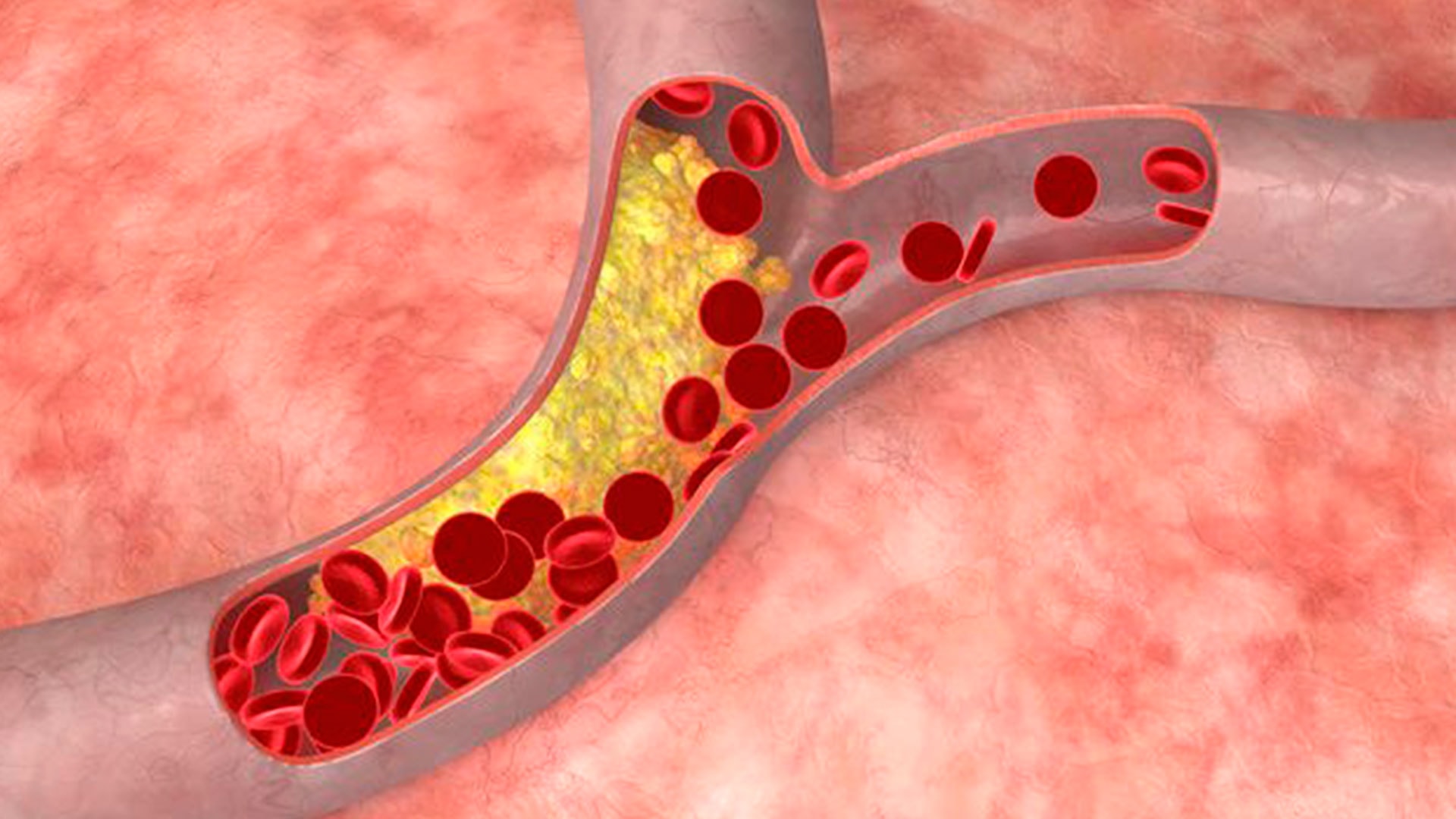

The 5 Lifestyle Changes High cholesterol increases the risk of heart disease and heart attacks…
Difference between Fruits and Vegetables
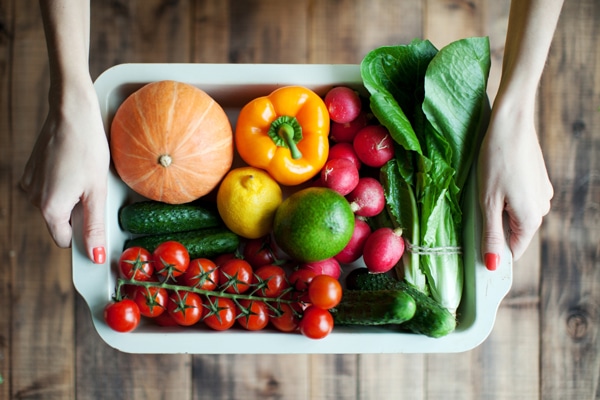
Difference Between Fruits and Vegetables
Difference Between Fruits and Vegetables
We usually know what fruits, vegetables, and hortalizas are, and we also know they are good for health, but we are not familiar with the differences between them.
On one hand, the word hortaliza is broader and relates to botany, referring to any cultivated plant intended for consumption. Thus, legumes (peas, broad beans, lentils, etc.) are included, while fruits and cereals are excluded.
In contrast, the term vegetables refers to the green part of the hortalizas.
Now we will leave legumes for another day and talk about vegetables.
In terms of structure, taste, and nutrition, there are many differences between fruits and vegetables. Let’s look at these differences and the benefits they can provide for our health. Fruits and vegetables are classified from both a botanical and dietary perspective.
Botanically, fruits and vegetables are classified depending on which part of the plant they come from.
A fruit develops from the flower of a plant, while vegetables are parts of the plant. Fruits contain seeds, while vegetables can consist of roots, stems, and leaves. From a dietary perspective, fruits and vegetables are classified according to taste.
Fruits generally have a sweet or sour taste and can be used in desserts, snacks, or juices. Vegetables have a milder or savory taste and are usually eaten as part of a side dish or main course.
That is: In botanical classification, fruits contain seeds and come from the flower of a plant, while the rest of the plant is considered a vegetable. In cooking, fruits are considered sweet while vegetables are more savory.
Fruits Often Confused with Vegetables
You likely have a good understanding of which foods are considered fruits and vegetables, at least in dietary terms.
However, there are several plants that are technically fruits, although they are often classified as vegetables due to their taste. Tomatoes are the most well-known and controversial example of this.
In 1893, the United States Supreme Court ruled that tomatoes should actually be classified as vegetables rather than fruits (under U.S. customs regulations).
Botanically speaking, tomatoes fit the definition of a fruit. However, they are still commonly referred to as vegetables due to their flavor profile. Other common examples of fruits that are confused with vegetables include:
- Winter squash
- Avocados
- Cucumbers
- Peppers
- Eggplants
- Corn
- Olives
- Squashes
- Peas
- Zucchini
That is: There are many fruits that are often confused as vegetables, including tomatoes, avocados, and cucumbers.
Vegetables with a Sweeter Taste
Although there are many fruits that are confused with vegetables, there are very few vegetables that are considered fruits.
However, some vegetable varieties have a naturally sweeter taste than most other vegetables and are used similarly to fruits in desserts, cakes, and baked goods.
Rhubarb pie, for example, is a popular dessert with a strong tart flavor. Although rhubarb is commonly considered a fruit, it is technically a vegetable since it comes from the stem of the plant.
Sweet potato pie is another dessert that is a traditional part of All Saints’ Day. Despite its sweet taste, sweet potatoes are actually a type of root, not a fruit.
Similarly, candied yams are a baked dish that contains another type, yams, which are an edible tuber. Other vegetables with a naturally sweeter taste include beets, carrots, turnips, and parsnips.
That is: Some vegetables have a sweet taste and can be used in baked goods and desserts. Examples include rhubarb and sweet potatoes.
Nutritional Comparison Between Fruits and Vegetables
Fruits and vegetables have many similarities in terms of nutrition.
Both are high in fiber, as well as vitamins, minerals, antioxidants, and plant properties. Fruits and vegetables are also naturally low in sodium and fat.
As expected given their sweet taste, fruits tend to have a higher amount of natural sugar and calories compared to most varieties of vegetables.
A cup of apples, for example, contains 65 calories and 13 grams of sugar, while a cup of broccoli has only 31 calories and 2 grams of sugar.
Compared to vegetables, some types of fruits may also contain more fiber per gram. The fiber content per 100 grams of fruit varies from 2-15 grams, while leafy vegetables provide 1.2-4 grams of fiber for the same weight.
Water content is also very variable. Leafy vegetables can be composed of 84-95% water, while fruits contain slightly less, ranging from 61-89%.
There are also some differences between the various nutrient categories of fruits and vegetables. Here are some nutritional highlights:
- Tubers: Rich in fiber, as well as a good source of vitamin C, beta-carotene, potassium, and B vitamins.
- Citrus Fruits: High in vitamin C, beta-carotene, folic acid, and antioxidants that may offer protection against degenerative disease.
- Cruciferous Vegetables: Contain glucosinolates, a group of compounds that have been linked to cancer prevention.
- Berries: Full of anthocyanins, anti-inflammatory compounds that have been studied for their ability to reduce oxidative stress and promote heart health.
- Leafy Green Vegetables: A good source of carotenoids like lutein, which has been shown to reduce the risk of heart disease, stroke, and cancer.
Including a good mix of fruits and vegetables in your diet can ensure you are getting a wide range of nutrients. That is: Fruits contain more sugar and calories than vegetables, but both fruits and vegetables are rich in fiber, vitamins, minerals, and antioxidants. Specific types of fruits and vegetables provide different nutrients.
Health Benefits of Fruits and Vegetables
There is a good amount of research documenting the many benefits of fruit and vegetable intake on health. Several studies have found that eating more fruits and vegetables is associated with a lower risk of heart disease.
One study even found that eating more than three servings a day reduced the risk of heart disease by 70%. Because fruits and vegetables are low in calories but high in fiber, they may even help keep your weight in check.
One study followed 133,000 people over a span of 24 years. It showed that when people increased their intake of non-starchy fruits and vegetables, their weight decreased.
Increasing fiber intake through fruits and vegetables may even reduce the risk of cancer. Multiple studies have found that higher consumption of fruits and vegetables is linked to a lower risk of colorectal cancer.
Finally, fruit and vegetable intake may benefit your blood sugar. The fiber in these foods reduces sugar absorption, which can help keep blood sugar levels stable. One study demonstrated that increasing fruit and vegetable intake can actually lead to a reduction in the development of diabetes.
Note that these results apply to fruits and vegetables, but not fruit juice. Fruit juice provides a concentrated dose of the vitamins, minerals, and sugars found in fruits, but without the fiber and health benefits that come with it.
That is: Eating enough fruits and vegetables can decrease the risk of heart disease and cancer, as well as help control your weight and blood sugar.
Conclusion
Botanically, there is a clear difference between fruits and vegetables. However, both come with an impressive array of nutrients and health benefits, and can even reduce the risk of chronic diseases and help you lose weight. www.quiropractica1.com
And a good recipe
https://quiropractica1.com/recetas/tortilla-vegetariana/
Related Posts