The 5 Lifestyle Changes High cholesterol increases the risk of heart disease and heart attacks…
Cholesterol The 5 foods to reduce Cholesterol by the Mayo Clinic
Cholesterol The 5 Foods to Lower Cholesterol
Can a bowl of oatmeal help lower cholesterol?
How about a handful of nuts or even a baked potato with a bit of healthy margarine?
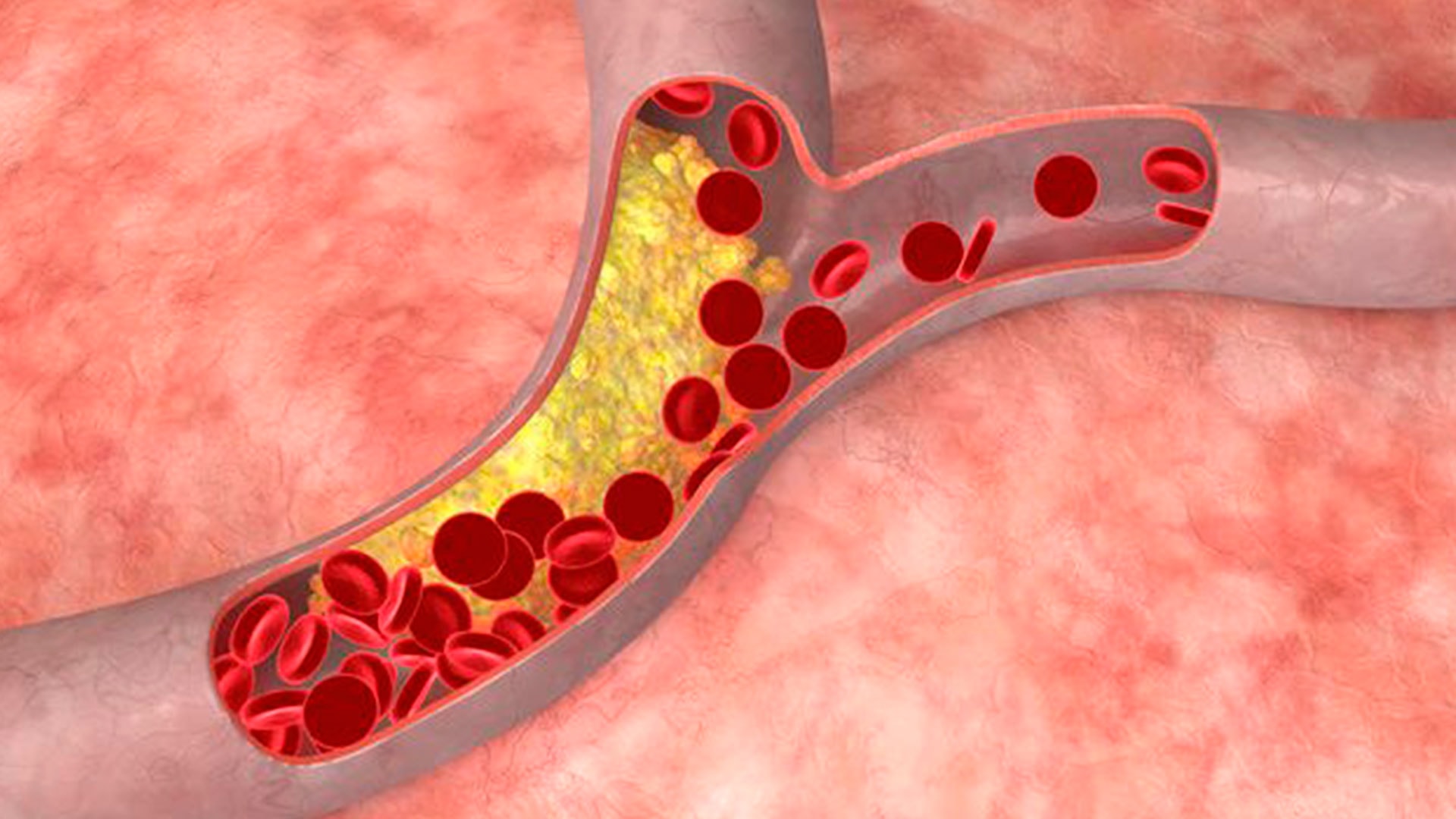
Some simple changes to your diet, like these, may be enough to lower your cholesterol to a healthy level and help keep you off medication. Diet can play an important role in reducing your cholesterol levels. Here are five foods that can lower your cholesterol and protect your heart.
1. Oat flour, oat bran, and fiber-rich foods Oats contain soluble fiber, which lowers your low-density lipoprotein (LDL), the “bad” cholesterol. Soluble fiber is also found in foods such as beans, apples, pears, barley, and prunes. Soluble fiber can reduce cholesterol absorption into your bloodstream. Eating 5 to 10 grams or more of soluble fiber daily decreases both LDL and total cholesterol. Consuming 1.5 cups of cooked oatmeal provides 6 grams of fiber. If you add fruit, such as bananas, you add about 4 more grams of fiber. For variety, try steel-cut oats or cold cereal made with oat flour or oat bran.
2. Fish and omega-3 fatty acids Eating fatty fish can be heart-healthy due to its high levels of omega-3, which can lower your blood pressure and the risk of developing blood clots.
In people who have already had heart attacks, fish oil or omega-3 fatty acids reduce the risk of sudden death. Doctors recommend eating at least 2 servings of fish per week. The highest levels of omega-3 fatty acids are found in: • Mackerel • Lake trout • Herring • Sardines • Albacore tuna • Salmon • Grouper You should bake or grill fish to avoid adding unhealthy fats.
If you don’t like fish, you can also get small amounts of omega-3 fatty acids from flaxseeds or canola oil. You can take an omega-3 or fish oil supplement to gain some benefits, but you won’t get other nutrients found in fish, such as selenium. If you decide to take the supplement, just remember to monitor your diet and eat lean meat or vegetables instead of fish.
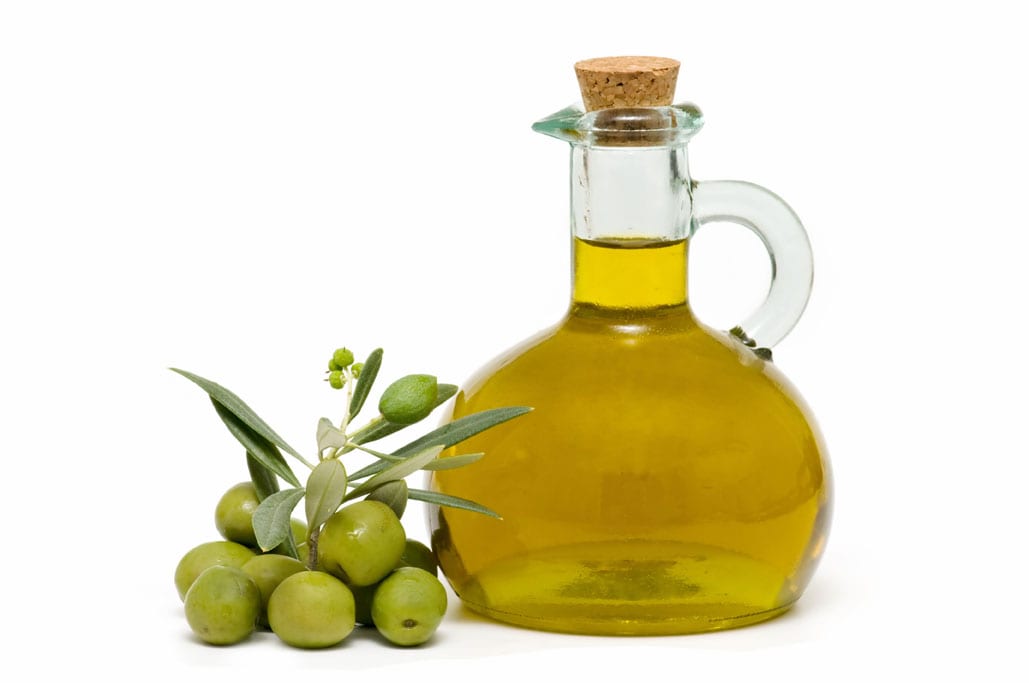
4. Olive oil used cold Olive oil contains a powerful mix of antioxidants that can lower your “bad” cholesterol (LDL) while leaving the “good” (HDL) untouched. The Food and Drug Administration recommends using about 2 tablespoons (about 23 grams) of olive oil per day instead of other fats in the diet for the best heart benefits. But you can’t use olive oil as a substitute for butter when drizzling on meat or as a dip for bread.
Olive oil is calorie-dense, so we should not consume more than the recommended amount. For heating oil, the best is coconut oil which also helps to reduce cholesterol. The cholesterol-lowering effects of olive oil are even greater if you choose extra virgin olive oil, which means the oil is less processed and contains more heart-healthy antioxidants. But keep in mind that olive oils are generally more refined than virgin or extra virgin olive oils, they are lighter in color, though not less fatty or lower in calories.
5. Foods with added plant sterols or stanols Nowadays, some foods are available that have been enriched with sterols or stanols, which are substances found in plants that help block cholesterol absorption. Margarines, orange juice, and yogurt drinks with added plant sterols can help reduce LDL cholesterol by more than 10%.
The daily amount of plant sterols needed to see results is at least 2 grams, which is equivalent to about two servings of 237 milliliters of plant sterol-fortified orange juice per day. Plant sterols or stanols in enriched foods do not seem to affect triglyceride levels or high-density lipoprotein (HDL), the “good” cholesterol.
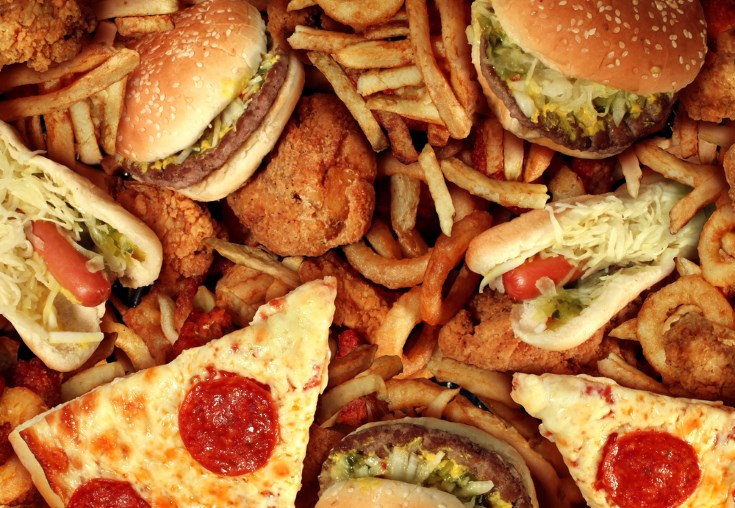
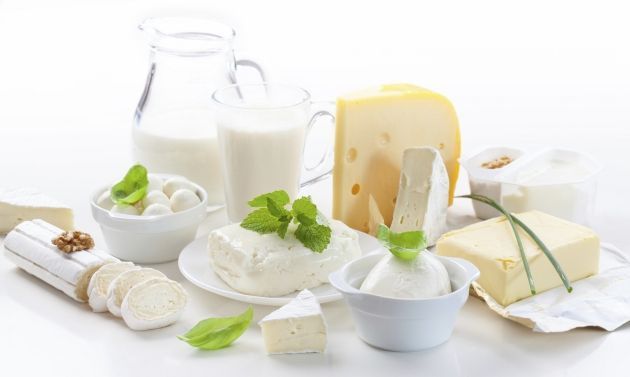
Other dietary changes For any of these foods to provide their maximum benefit, it is necessary to make other changes to your diet and lifestyle. Reduce cholesterol and total fat – high-fat dairy products and some oils raise your total cholesterol level. Trans fats, which are sometimes found in margarines and products like industrial cookies, crackers, and cakes, are particularly bad for your cholesterol levels. Trans fats raise low-density lipoprotein (LDL), the “bad” cholesterol, and lower high-density lipoprotein (HDL), the “good” cholesterol.
Related Posts