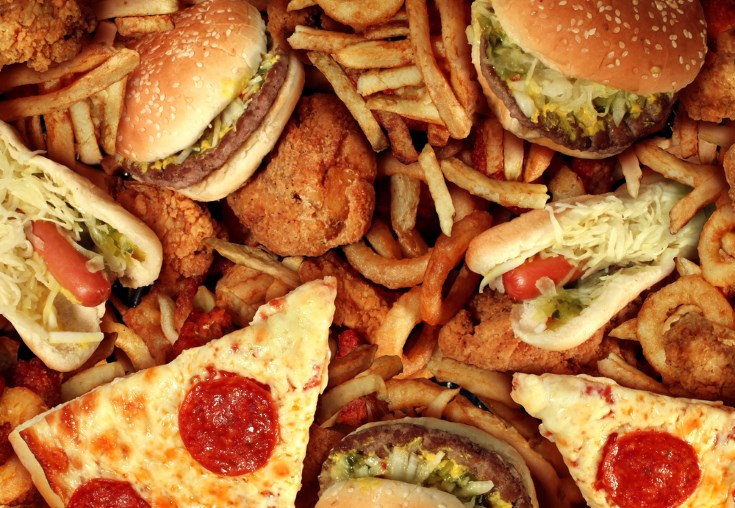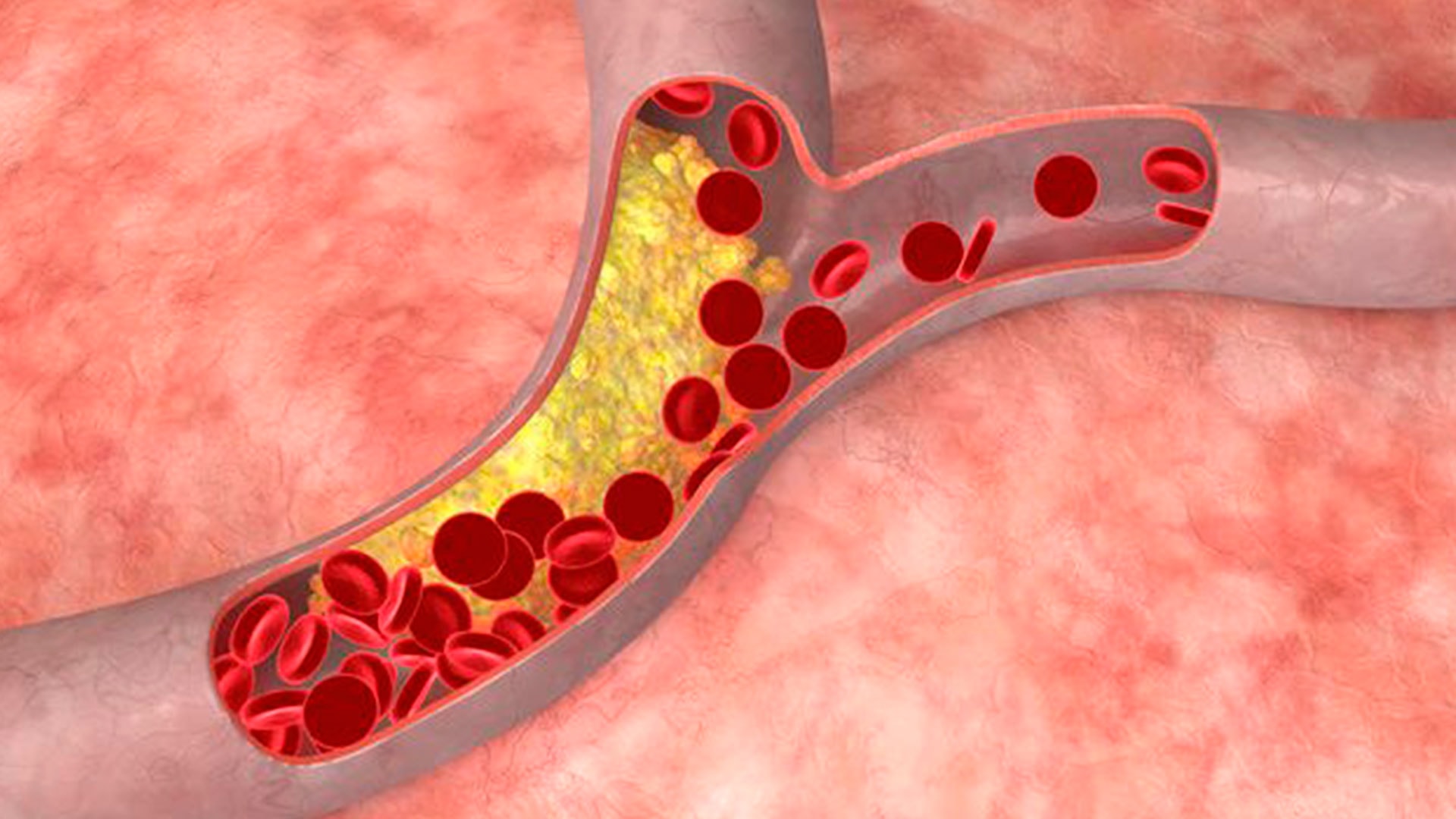

The 5 Lifestyle Changes High cholesterol increases the risk of heart disease and heart attacks…
30 reasons not to consume cow’s milk

30 Reasons Not to Consume Cow’s Milk
1.- Milk reduces iron in young children. This is why in 1993, the National Academy of Pediatrics of the United States published an official statement expressing that in their opinion, no child should drink animal milk before the age of 18 months. Likewise, it contributes to the deficiency of essential fatty acids and Vitamin E.
2.- Animal milk stimulates the body to produce mucus. This is why when suffering from a cold, doctors recommend not drinking milk.
3.- Animal milk is full of bacteria. Therefore, it is an excellent medium for bacteria to reproduce in the body. This is why children who do not consume animal milk or dairy products do not get sick as often, suffer from fewer cavities, and ear infections. The pasteurization used by the milk industry generally lasts 15 seconds. However, to inactivate the harmful bacteria in milk, the process needs to last at least 15 minutes.
4.- Casein, a protein present in milk, is used to manufacture glue and paints, and causes soft tissues to swell in a large number of children. These soft tissues are commonly found in the throat, nasal cavities, and sinuses. When these are inflamed, breathing difficulties arise.
5.- Drinking and consuming dairy products is associated with various diseases such as diabetes, multiple sclerosis, heart problems, Crohn’s disease, irritable bowel syndrome, and even cataracts.
6.- Milk contains abnormal amounts of antibiotics since farmers inject them into cows to prevent them from stopping milk production due to diseases in the udders. These types of diseases are common in dairy-producing herds. These abnormal amounts of antibiotics contribute to bacteria becoming resistant to them, making it harder to combat them when it comes to more serious illnesses.
7.- It is also worth noting that animal milk and its derivatives contain excessive amounts of approximately 59 different hormones -pituitary, steroid, adrenal, sexual, etc. Additionally, elevated levels of these hormones, combined with other toxins, are now considered a cause of the emergence of various degenerative diseases.
80% of cows are pregnant while being used for milk production, which naturally raises hormone levels. Furthermore, farmers inject cows with synthetic hormones to increase milk production. These high levels of female hormones in the food chain have been linked to health problems worldwide. They are also associated with early puberty…
8.- Milk contains large amounts of unhealthy fat, which clogs arteries even in young people.
9.- The sugar in milk (lactose) is very difficult to digest since when a person reaches the age of two, the intestines produce less lactase, an enzyme necessary to absorb and digest lactose. This decrease in lactase production in humans occurs when the intake of breast milk is no longer necessary for growth. When we consume milk or animal dairy products, it is very likely that lactose ferments in the intestines, causing digestive problems such as bloating, gas, and other serious difficulties.
10.- Animal milk contains a perfect combination of minerals designed to help mature the digestive system of its young. This digestive system will allow them to properly digest the nutrients from grass and herbs. Cows have a stomach configured by four chambers and they regurgitate, chew, and swallow their food several times before digesting it. They have a very different digestive system than humans and therefore have different needs. When we consume milk, we are ingesting the minerals and chemicals that cows need in their system and since our diets are different, these chemicals and minerals disrupt our digestion and affect the absorption of nutrients present in our diets.
11.- Milk ranks high on the list of causes of allergies and sensitivities. It has been shown to affect behavior, sleep, concentration, and even enuresis.
12.- Milk alone or when combined with gluten (present in grains) is associated with autism. When someone is suspected of having Leaky Gut Syndrome, a dairy-free and gluten-free diet is recommended.
13.- Disabled children suffering from neurological problems such as autism, Down syndrome, learning disabilities, and brain injuries are especially vulnerable to dairy. Certain proteins present in animal milk, such as casein and whey, apparently irritate the human nervous system, causing these neurological problems to worsen in children. This is why if milk or dairy products are not consumed, rehabilitation programs yield better results compared to those that do.
14.- Studies have shown that the consumption of hormones, cholesterol, and fat found in animal milk makes a person more prone to develop acne and wrinkles in the skin.
15.- People of Asian, African, Hispanic, or Southern European descent are especially vulnerable to problems associated with milk consumption. This explains why most countries in the world do not consume milk.
16.- Milk is one of the substances that contain the most dioxins. Contrary to what was believed, dioxins in milk and cheese are ten times more dangerous, potentially causing cancer. During the summer of 1999, the milk industry in Brussels closed for a month because the milk contained 100 times more dioxin than the recommended levels.
17.- Milk contains animal blood. The milking machines cause injuries to the cow’s nipples that bleed, and this blood ends up in the milk.
18.- Milk contains pus. The standards set by the U.S. Department of Health and Human Services and the Food and Drug Administration (FDA) stipulate that milk is abnormal and should not be ingested if it contains more than 200,000 dead white blood cells per milliliter.
19.- Milk is associated with prostate cancer in men. The risks increase by 30% if two to three servings are consumed daily. Women who consume dairy products increase their risk of developing ovarian cancer by up to 66%.
20.- The consumption of milk and cheese is associated with asthma. When humans consume the protein casein (used to create the glue that adheres labels on beer bottles), they produce histamine and then mucus. If the bronchi fill with this substance, breathing difficulties occur.
21.- Children who drink a lot of milk and consume a lot of cheese continuously lack zinc.
22.- Milk is high in cholesterol, which causes heart disease.
23.- The stories associated with calcium and milk consumption are mostly a myth created by the milk industry, which in its advertising campaigns claims that cow’s milk contains large amounts of calcium. They also strategically say that we need calcium. These two statements are true; however, they do not mention that consuming milk provides us with this calcium, as this does not actually happen. The calcium in milk combines with other minerals, which are found in excessive amounts in animal milk, forming a molecule that is often too large to be absorbed by the human intestine. In areas of the world where milk is not consumed, diseases associated with calcium deficiency are almost nonexistent. Osteoporosis and atherosclerosis are very rare in cultures where milk consumption is limited. In fact, recent studies suggest that milk and cheese may actually be the causes of osteoporosis since the high amounts of protein in dairy cause calcium to leach from the bones.
24.- The proportion of Vitamin D in milk is poorly regulated. Recently, it was found that in 42 samples, only 12% contained the promised amount of vitamin D. Ten samples of infant formulas were also studied; 7 of them contained double the amount of vitamin D advertised. One even had four times more. Vitamin D is toxic in large amounts.
25.- Drinking milk could contribute to bone fractures. In a study of 78,000 women conducted over a period of 12 years, milk did not reduce the risk of fractures. In fact, women who drank milk three times a day had more fractures than those who rarely did.
26.- Another important factor is cholesterol. The risk of heart and circulation diseases. A glass of milk contains 35mg of cholesterol, while 4 pieces of bacon contain 30 mg. Is this what you want for yourself or your children? It’s your choice.
27.- Other effects associated with the consumption of animal milk include diarrhea and constipation, especially in young people.
28.- The consumption of animal milk may also be associated with Sudden Infant Death Syndrome and Amyotrophic Lateral Sclerosis (Lou Gehrig’s Disease).
29.- Milk is a good conductor of poison. A study that reviewed cases of poisoning in England and Wales between 1992 and 1996 found that 20 of these cases were associated with the consumption of milk and its derivatives.
30.- The chemical composition of cow’s milk is absolutely perfect for nourishing a calf. It contains the exact nutrients for the cow to be perfectly nourished and helps it develop its digestive and immune system. Human milk is equally perfect for babies. If we were to give human milk to a calf, it would suffer from malnutrition and become ill in no time. Of course, anyone would think that doing this is ridiculous. However, is this much more ridiculous than feeding our children with non-human milk and derivatives?
There are many other alternatives to animal milk. Oat, quinoa, and coconut milk are excellent and the ones I recommend the most.
In most supermarkets, you can find soy and vegetable cheese, soy yogurt, kefir, etc.
For babies, there are brands of formulas based on coconut, rice, and almonds that are as nutritious and healthy as those containing animal milk.
Comment: Soy is not recommended due to its high content of lectins, which are extremely toxic to the body, which has not evolved to digest them. If you wish to consume soy products, we recommend that they have an ecological guarantee (non-genetically modified). But be careful, as soy also causes many allergies.
And finally, there is the dairy-free diet. Most of the world does not consume milk; they obtain calcium satisfactorily from other foods. Almonds, sesame, amaranth, pinto and black beans, broccoli, cabbage, chickpeas, cauliflower, kale, figs, hazelnuts, collard greens, endives, leeks, molasses, olives, peanuts, parsley, pistachios, raisins, spinach, sunflower seeds, watercress, and seaweed are just some of the foods that contain considerable amounts of calcium that our bodies can absorb and that we can enjoy…
Are you going to continue consuming dairy products? Draw your own conclusions. Educate yourself before believing what they want us to believe!
Source: Universonature, 06,09,2012.
Author: Mónica Moreno for the chiropractic center
Related Posts