
The 5 Lifestyle Changes High cholesterol increases the risk of heart disease and heart attacks…
Coconut Oil, a natural miracle

Coconut oil helps regulate diseases
In recent years, there has been a significant debate about the perceived benefits of coconut oil regarding its application in a wide variety of conditions and treatments, from eliminating harmful bacteria, preventing infections, and maintaining a healthy brain.
In reality, the fatty acids found in coconut oil, such as lauric acid or monolaurin, can offer a wide range of benefits for both diabetics and pre-diabetics.
Some Reference Information on Diabetes
Type 1 Diabetes: The cause of this condition is autoimmune responses. The cells that generate insulin within the pancreas are damaged by attacks from the immune system, significantly limiting insulin production.
Among the main causes of the development of type 1 diabetes are: genetically modified organisms (GMOs), viruses, soy, heavy metals, and certain vaccines. More recently – we will delve into the next point – increased intestinal permeability, known as “leaky gut syndrome” – has emerged as a contributing factor in the development of type 1 diabetes.
Type 2 Diabetes: Of the two types, it is the most common. Its development is due to elevated blood glucose levels as a result of insulin resistance. The body is able to continue producing insulin, but eventually, the receptors will simply burn out.
How Can Coconut Oil Consumption Help with Diabetes?
First of all, the introduction of coconut oil into a diet can provide benefits for both diabetics and pre-diabetics (people with a higher likelihood of developing diabetes) through its ability to regulate weight and thus contribute to the fight against obesity. Some have even suggested that coconut oil could be applied to reverse type 2 diabetes.
Increased Energy and Metabolism
As we have seen in previous blogs, coconut oil is a very rich source of medium-chain triglycerides (MCT), which act immediately in the liver and break down in our body differently than other fats.
This generates ketone bodies that propel increases in physical performance. All of this means that coconut oil acts like a carbohydrate but with one essential difference – it does not cause sharp spikes in blood insulin levels, as is the case with high carbohydrate consumption.
Coconut oil can function with or without the presence of insulin, even if the cells have become resistant, so your body receives an instant boost of energy and metabolism increases. Consequently, insulin is recreated, and weight can be regulated, and all these advantages can reduce the risk of type 2 diabetes.
Recent studies have indicated that the presence of medium-chain triglycerides (MCT) in coconut oil may promote thyroid gland activity.
Stabilizes Blood Glucose Levels
In short, coconut oil helps lower the blood glucose level in your body and consequently makes it possible for insulin receptors to repair and for your body to regenerate adequate amounts of insulin – the result is an increased possibility of preventing diseases such as diabetes.
Some professionals have advised their patients to follow a low-fat and sugar diet but high in carbohydrates to control the condition. The reality is that this advice can be counterproductive for insulin receptors in the blood.
The MCTs present in coconut oil facilitate a slower breakdown of carbohydrates while regulating blood glucose levels. To keep your cells even more protected, MCTs do not depend on the presence of insulin to supply energy to the cells, so your blood glucose levels are not adversely affected.
Support for the Digestive System
Here, MCTs, such as lauric acid, play an important role again. The saturated fats and fatty acids present in coconut oil are converted into ketone bodies that break down easily and start to work immediately in the digestive system.
Recent studies have particularly pointed to a digestive condition as one of the main causes of the development of type 1 diabetes and other autoimmune diseases – increased intestinal permeability, known as “leaky gut syndrome.”
Several global institutions encourage the consumption of foods high in medium-chain fatty acids, such as coconut oil, because they break down easily and can perform the same functions as carbohydrates without burning out insulin receptors.
The key to keeping type 1 diabetes under control is to eliminate foods that harm the gut and replace them with probiotic foods.
Protection for Your Immune System
The components present in coconut oil possess incredible properties to combat microbes and bacteria. Monolaurin derived from lauric acid actively participates in the elimination of harmful bacteria as well as replenishing your cells.
The fact that these fats break down easily and work independently of the presence of insulin means the following: they can remain in the blood long enough to repair and heal damage.
Thus, you could take coconut oil to prevent or even cure various common symptoms, such as: colds, flu, fungal infections, insect bites, or rashes.
Reduces the Risk of Diseases
We have seen how medium-chain triglycerides provide a multitude of benefits to our health because coconut oil is practically the only natural option to introduce monolaurin into your diet.
Although several institutions have their own criteria for discouraging the consumption of coconut oil, recent studies seem to begin to confirm more entrenched beliefs that MCTs do not block arteries.
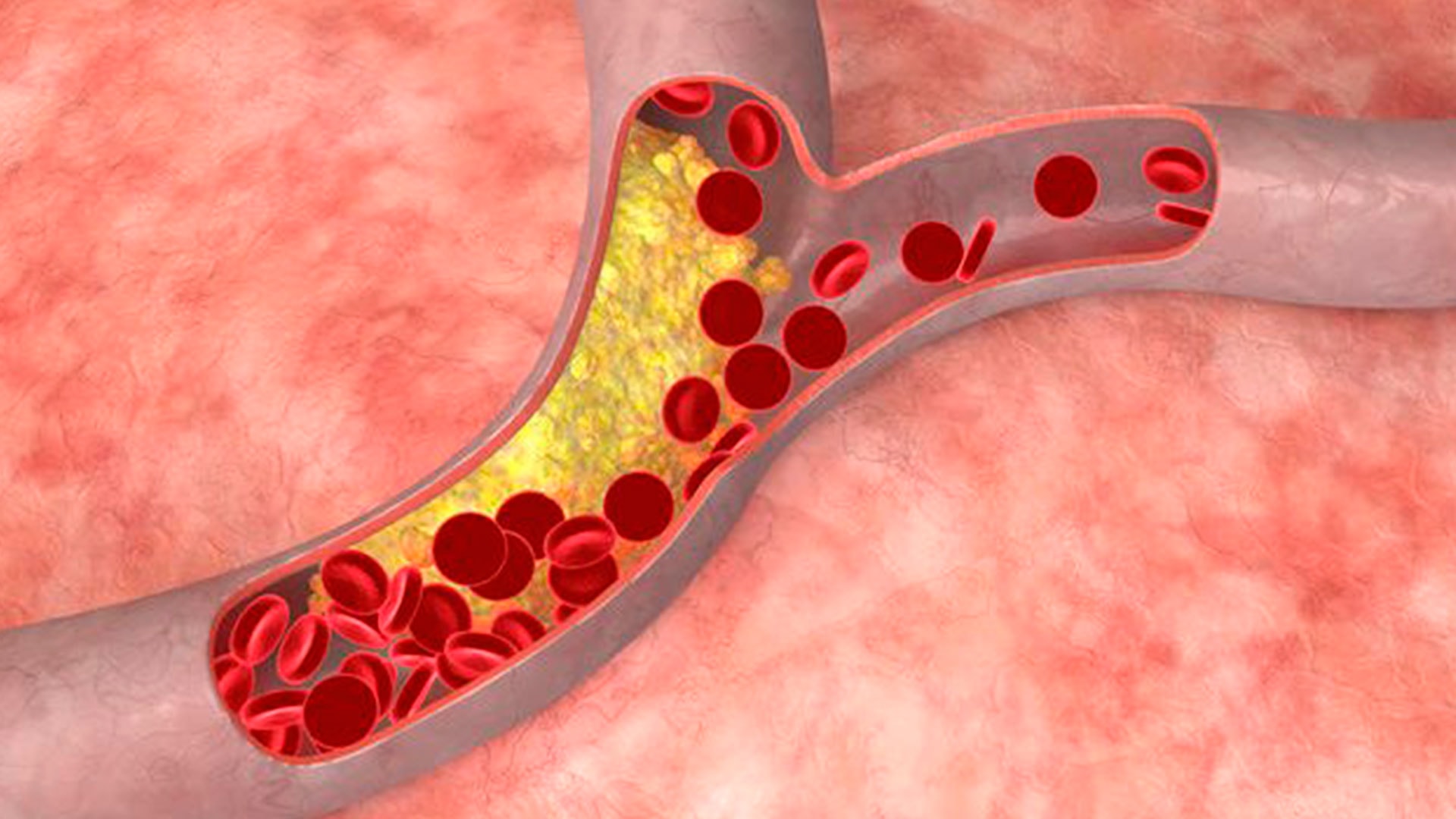
In reality, it is the unsaturated fats that contribute to cardiovascular diseases and not saturated fats. The latter increase the level of high-density lipoproteins (HDL) known as “good” cholesterol while reducing the level of LDL cholesterol, the “bad,” thereby reducing triglyceride levels and promoting blood circulation through the arteries.
Any Other Advice
Indeed, yes. First, make sure to consume virgin coconut oil (or unrefined) for optimal benefits. You can incorporate it in various ways: drink it directly or use it in cooking to prepare mayonnaise, meat, fish, salads, or pastries.
Remember not to overdo it; coconut oil, no matter how many great benefits it offers, is not a miracle remedy, and consuming large amounts will not allow you to run like Forrest Gump!
Sources and References:
- Mercola – antibiotic properties of coconut oil
- Wikipedia – monolaurin profile
- American Diabetes Association – type 1 diabetes
- American Diabetes Association – type 2 diabetes
- Coconut Oil Central – pre-diabetes symptoms
- Doctor Oz – benefits of coconut oil
- NYU Langone – MCTs
- Wikipedia- ketone bodies profile
- US National Library of Medicine – MCTs and energy expenditure
- US National Library of Medicine – digestion and diabetes
- Wikipedia – leaky gut syndrome
- Dr Axe – benefits of probiotics
- Web MD – lauric acid
Related Posts