
Torticollis Mataró Although it may sound like a strange Italian dish, it is not. Imagine…
Chia, the food of the Aztec runners
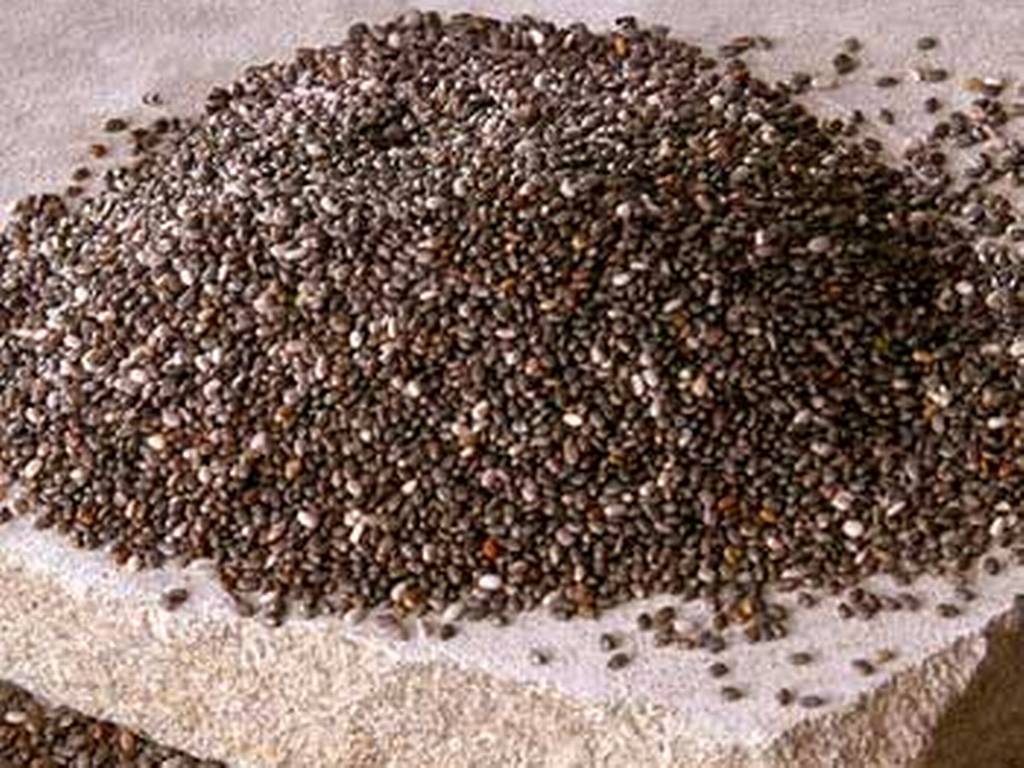
Chia: The Food of the Aztec Runners
You may have overlooked them during numerous visits to your usual supermarket or herbal store, or you may have seen them sprinkled on bread or available in bulk at some stores. But what are chia seeds and where do they come from? To use their technical name, the plant “Salvia hispanica,” from the mint family, originated in the Aztec cultures where it was considered an essential crop, just like corn was.
Chia seeds were also closely linked to energy enhancement among Aztec warriors.
Today, chia plants are primarily cultivated in Mexico and other areas of Central and South America, mainly for the commercial exploitation of chia seeds, which represents a growing market in the United States due to the numerous health benefits these seeds offer, not only for athletes but for every individual. Let’s review: they contain vital minerals (calcium, phosphorus, potassium), essential fatty acids (Omega 3), and antioxidants. All of this makes chia seeds one of the world’s most important sources of vital nutrients.
What Health Benefits Do Chia Seeds Provide?
There are several health benefits that chia seeds provide. Below you will find some: 
-
Boosts Energy and Metabolism
First of all, chia seeds are a very rich source of protein, as they contain essential nutrients that you should include in any diet or program for quick weight loss. Chia seeds have an almost perfect rating (91/100) for amino acids. What does this mean? It means you get an excellent source of protein (especially for vegetarians) and energy for exercise. Additionally, chia seeds have incredible abilities to absorb water (up to 12 times their own weight). When ingested, chia seeds expand in the stomach, which helps to snack less, reduce cravings and belly. A recent study (U.S.) has shown that this reduction could reach up to 50%. Moreover, chia seeds are a rich source of minerals (calcium, phosphorus, potassium) – which helps us maintain strong bones.
-
It is a Rich Source of Omega-3
Approximately 55% of the fat contained in chia seeds is attributed to Omega-3 fatty acids (also present in coconut oil in the form of MCT that break down into ketone bodies). They are vital for some daily functions such as preventing blood clots and the development of cells in the brain. They offer numerous health benefits, including: the prevention of certain types of cancer (prostate), reduction in the risk ofcardiovascular diseases, maintaining a stable heart rate, and the prevention of cardiovascular risks associated with type 2 diabetes. Omega-3 consists of three types of fatty acids: ALA (found in chia seeds as well as certain leafy vegetables), EPA, and DHA, the latter two found in fatty fish. Due to the presumed lack of published evidence indicating that fish fatty acids are more effective and that weight-for-weight you will get more Omega 3 from chia seeds than from salmon, chia proves to be a very useful item in your diet.
-
An Excellent Digestive Aid
When we ingest chia seeds, they turn into a gelatinous substance in our body that expands in the stomach. The result is that carbohydrates are converted to sugar at a slower rate, thus allowing for stabilization of blood glucose (the process resembles the function of MCT in coconut oil). Therefore, it is not only useful for endurance and athletics, but also for diabetes prevention, as demonstrated in a recent study. It is noteworthy that about 90% of the carbohydrates found in chia seeds are fiber that is not even digested. The good news for diabetics is that chia seeds do not depend on insulin. Ultimately, chia seeds represent a significant digestive aid. Try to introduce a spoonful each day into your diet.
-
Chia Seeds Provide Large Amounts of Antioxidants
In fact, they contain more antioxidants than some berries, equivalent to 10,000 IU of vitamin E. They provide several health benefits, including: an improvement in the immune system, cancer prevention (prostate), diabetes treatment, or anti-inflammatory uses. Additionally, they can be stored for a long time, and their uses have even been known in the field of cosmetics (anti-aging).
-
Chia Seeds Are Packed with Nutrients
We have seen that they are packed with Omega 3, essential minerals, and antioxidants. Moreover, a 28g serving contains only 137 calories, they are gluten-free, have a longer shelf life than other products (they can be stored for years), and are organic. In short, chia seeds are an excellent opportunity to replenish lost nutrients – especially during pregnancy when the demands on the body are very high.
-
How to Use Chia Seeds?
The world is at your feet if you want to make the most of all the nutrients present. Make sure to consume authentic chia seeds and not supplements. Among the popular uses, you can:
- sprinkle them on bread
- mix them into smoothies
- use them to replace eggs in cakes to enhance them,
- add a few to cereals or a granola bar
- grind them into a sports drink (or simply add a good handful of chia seeds to a bottle of water with lime juice – the drink will turn out bubbly and gelatinous)
- Lastly, don’t forget to eat chia seeds raw
You can also add other healthy elements to your diet, which we have discussed in recent blogs, such as: coconut oil, probiotics, and garlic. If you decide to introduce chia seeds into your diet, write to us to share your experiences.
Related Posts