

Hypertension Natural Solution Hypertension is a medical condition characterized by an increase in blood pressure…
The Sun: Friend or Foe
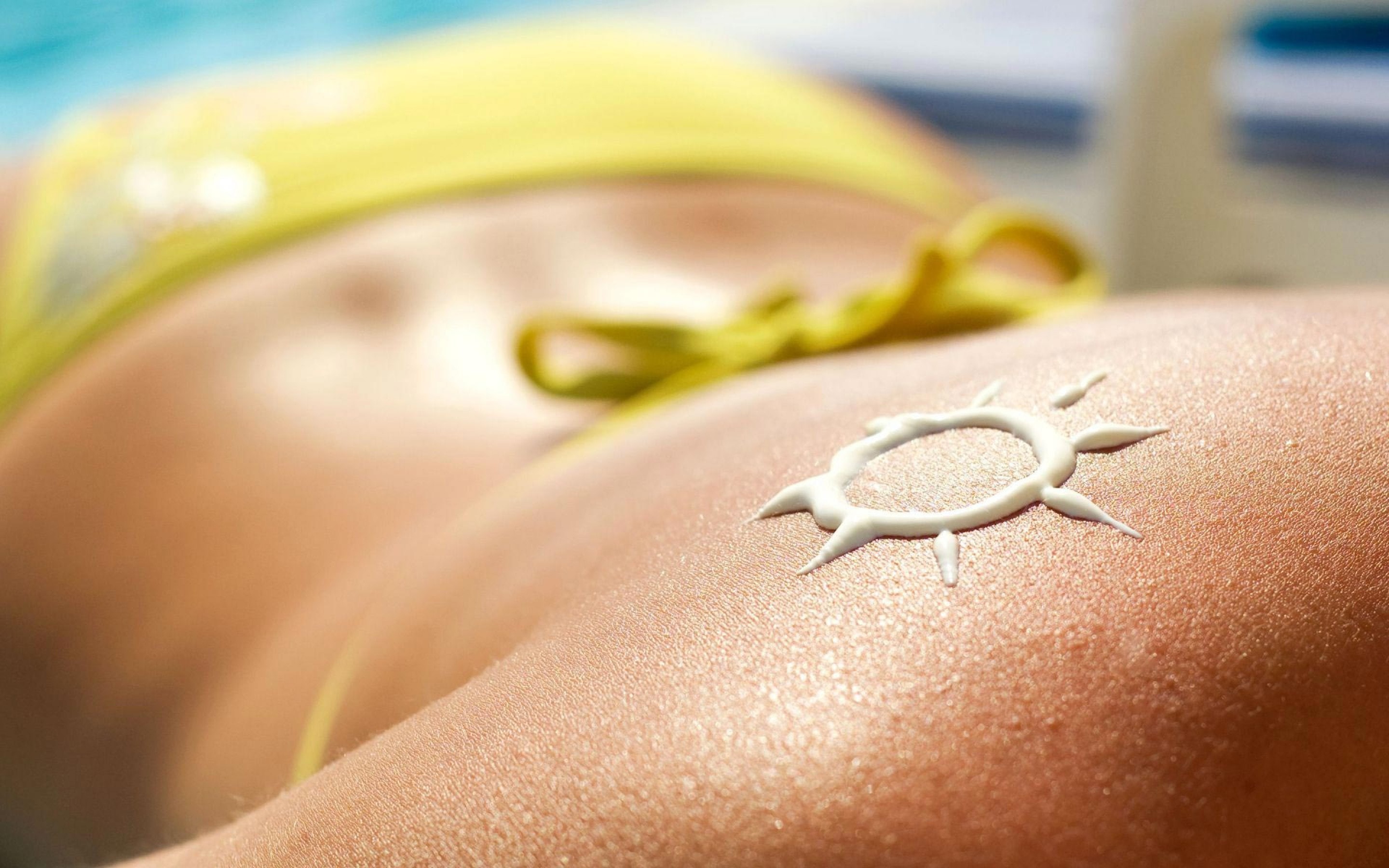
The Sun: Friend or Enemy
Perhaps you are one of those people who think that summer is too short!
Even though we live in Spain and cannot complain about the good weather, for many of us, the sunny months still seem to pass too quickly.
So why waste them with sunburns?
After spending 5 months or more locked inside buildings, protecting ourselves from the rain or wind, when the first ray of sun arrives, we rush to stretch out on the beach, play golf, climb mountains on our bikes, do gardening, or simply have a barbecue with family.
It’s easy to “overdo” the time spent in the sun when we are so eager to be outdoors… Especially when the skin is pale from being covered for so many months and is still not used to the sun.
There are several simple lifestyle changes that can be implemented to radically decrease the risks of sunburn, such as wisely choosing essential fatty acids to consume, increasing the intake of raw vegetables rich in skin-protecting antioxidants, and avoiding prepared foods and sugar.
Clothing can protect – Especially hats. You can always wear clothing to protect yourself and avoid skin damage caused by the sun’s rays. Starting with a hat! Indeed, with a hat, there’s no need to wear sunglasses. You can benefit from 1500 rays of sunshine while avoiding sun exposure to the very thin skin around the eyes, which is particularly sensitive and ages more quickly.
Sun Protection
However, if you are looking for another mode of protection besides clothing, we have compiled other options that will suit you and your family. The pernicious potential of natural sunlight has been exaggerated lately.
Is the Sun Dangerous?
This is “thanks” to many doctors, health institutions, advertisements, beauty experts, corporations, and some good friends who care about you and want to help. They all say that one must protect oneself or completely avoid the sun because the sun can kill. But that is not true!
To begin with, there is very little scientific evidence to justify the numerous health prevention campaigns urging people to avoid the sun. Avoiding the sun makes no sense!
THE SUN IS NOT DEADLY!
In fact, the sun is healthy. It is good for you!
Prolonged and excessive sun exposure can increase the risk of certain types of skin cancer.
But moderate exposure is less dangerous than sporadic exposure. Furthermore, there is much evidence that sun exposure without burns significantly reduces the risk of melanoma (the deadliest type of cancer).
What You Need to Know About UVA and UVB Rays
Ultraviolet light from the sun comes in two main wavelengths – UVA and UVB. It is important that you understand the difference between the two and the risk factors of each.
Think of UVB as the “good friend” – although, of course, you cannot eliminate UVA when you are exposed to the sun. UVB helps the skin produce vitamin D.
On the other hand, UVA rays are considered the “enemy”; they penetrate the skin more deeply and cause more damage from free radicals. Also, UVA rays are quite constant throughout all hours of the day all year round. UVB rays have less intensity in the morning and afternoon and are stronger at noon.
So, if you are outside in the mornings or afternoons, you are exposed to greater amounts of UVA rays (enemy) than UVB (good friend). Therefore, vitamin D is not produced. Additionally, if you do not protect your skin and this is your only sun exposure, the risk of cancer increases.
THE RISK OF SKIN CANCER INCREASES IF YOU ARE EXPOSED IN THE MORNING AND AFTERNOON
We notice the even more pernicious potential of UVA on a cloudy day. Who hasn’t experienced a burning sunburn after a day without sun? You think there’s no need to protect yourself since the sun is invisible, but UVA rays penetrate clouds and pollution and cause severe damage to the skin.
How Sun Rays Prevent You from Enjoying All the Benefits of Good Sun Rays.
Wearing sunscreen on bare skin blocks your body’s natural production of vitamin D.
In fact, it has been confirmed that sunscreen lotions reduce the production of vitamin D by 97.5 to 99%.
With such a high rate, there are very dire health consequences to consider.
Vitamin D plays a crucial role in a person’s overall health and well-being. For example, it is known for:
• Supporting cardiovascular health
• Promoting optimal cholesterol levels
• Enhancing muscle strength
• Helping to produce optimal blood pressure
• Helping to maintain a strong immune system
• Supporting kidney health
• Promoting dental health
• Helping to keep bones strong and healthy
Please note that this list of important benefits represents only a small fraction of the numerous ways in which vitamin D keeps the body healthy and fit. And while vitamin D can be obtained from natural foods, experts agree on one thing.
Natural Light is the Best Way to Obtain Vitamin D
Why? Because the moment the sun’s ultraviolet rays touch the skin, the body is programmed to produce its own natural vitamin D.
And even better, the body produces the most active form of vitamin D that exists – calciferol, also known as Vitamin D3.
Vitamin D3 is the exact form that the body needs for the proper functioning of its organs and cells.
And fortunately for all of us, our body automatically generates enough vitamin D without any risk of overdose. It knows exactly when to stop producing vitamin D before reaching toxic levels.
However, high levels of vitamin D obtained only from oral supplements can take 6 months or more to stabilize.
Therefore, it is not highly recommended to take vitamin D supplement pills. If you take these pills, you need to have regular blood tests to avoid toxicity.
Should You Use Sunscreen to Avoid Burns?
Of course! But not just any sunscreen found on the market.
Whenever possible, it is better to avoid using sunscreens because they interfere with the production of vitamin D. However, there are situations where it is impossible to limit sun exposure. If for any reason you cannot avoid sun exposure, use a cream to protect the skin from burns. Many studies and research show that excessive sun that causes burns is undoubtedly a risk factor for melanomas.
Furthermore, the risk of developing melanoma increases in relation to the frequency and severity of burns. Limiting sun exposure, wearing protective clothing, using a 100% natural sunscreen, and without chemicals can reduce the risks of skin cancer or other adverse effects of the sun. Other research reveals that people who spend more time outdoors but WITHOUT burning reduce their risk of developing cancer.
It has even been shown that safe sun exposure protects against 16 different forms of cancer such as breast, colon, esophagus, ovary, bladder, gallbladder, stomach, pancreas, prostate, rectum, kidneys, and endometriosis as well as non-Hodgkin lymphoma.
So your body needs a little unprotected sun exposure – to gain all the benefits mentioned above.
Are All Sunscreens Good?
No. Hundreds of sunscreens are toxic because they contain synthetic chemicals that can cause very severe health problems and increase the risk of disease.
The main chemical used in sunscreens to filter UVB is octyl methoxycinnamate (OMC). But some research shows that OMC kills mice, even in small doses. Additionally, it has been shown to be very toxic when exposed to the sun.
If your sunscreen contains any of these chemicals that are considered dangerous and threatening to health, do yourself a big favor…
Throw it in the trash right now!
!!!OMC is found in 90% of branded sunscreens!!!
On the other hand, a very common ultraviolet A filter, butyl methoxydibenzoylmethane, also has toxic properties.
Moreover, several studies show that the chemicals used in sunscreens are absorbed by the skin and end up circulating in the blood. That is not good at all, so…
The following chemicals are considered dangerous to health:
• Aminobenzoic Acid…
• Octyl Salicyclate…
• Avobenzone…
• Oxybenzone…
• Cinoxate…
• Padimate O…
• Dioxybenzone…
• Phenylbenzimidazole…
• Homosalate…
• Sulisobenzone…
• Menthyl Anthranilate…
• Trolamine Salicyclate…
• Octocrylene…
And don’t forget… Potentially harmful chemicals like dioxybenzone and oxybenzone (the chemicals I have already mentioned) are two of the most potent free radicals that should be known!
If your sunscreen contains dioxybenzone, oxybenzone, or any of the other chemicals mentioned above, it is advisable to replace it with a safer and healthier formula for your skin.
And a particular note for mothers… They think consciously about caring for their children. But when they are slathering them with sunscreen, they may actually be causing more harm than good.
So watch what the bottle says, and if it contains potentially dangerous chemicals, throw it away. The skin is your largest organ, and your children’s too! Fortunately, there is another option: natural sunscreens. The ingredients in natural sunscreens serve the same purpose: to nourish, protect, and hydrate the skin. Recently, a very powerful ingredient has been added to the formula: green tea. Many studies show that green tea is a very potent antioxidant. It is also said that green tea reduces the appearance of skin damage due to the sun. In other words, green tea helps protect skin cells by providing antioxidant protection. These natural sunscreens reflect UV rays from the skin. Additionally, they are water-resistant, hypoallergenic, and:
• FREE of chemicals for a pleasant scent
• FREE of strong preservative chemicals
• FREE of nanoparticles (which allow the cream to be invisible but remain on the skin’s surface)
All the Ingredients of a Natural Sunscreen are Natural
Two of the ingredients found in these sunscreens are: Titanium Dioxide (6.0%) & Zinc Oxide (6.0%)
These two active ingredients are natural minerals. They come from clay and sand deposits. This means they are not aggressive as they are not synthetic chemicals.
And zinc oxide has been used worldwide for over 75 years as a safe sunscreen to prevent excessive sun exposure.
Unlike commercial sunscreens that absorb ultraviolet light, Nature provides titanium dioxide and zinc oxide… two exceptional ingredients that stay on the skin to reflect and deflect UVA and UVB.
How do they do it? Very easily, they form a physical barrier without irritating or blocking the pores.
SOURCE: Dr. Mercola www.drmercola.com
Related Posts