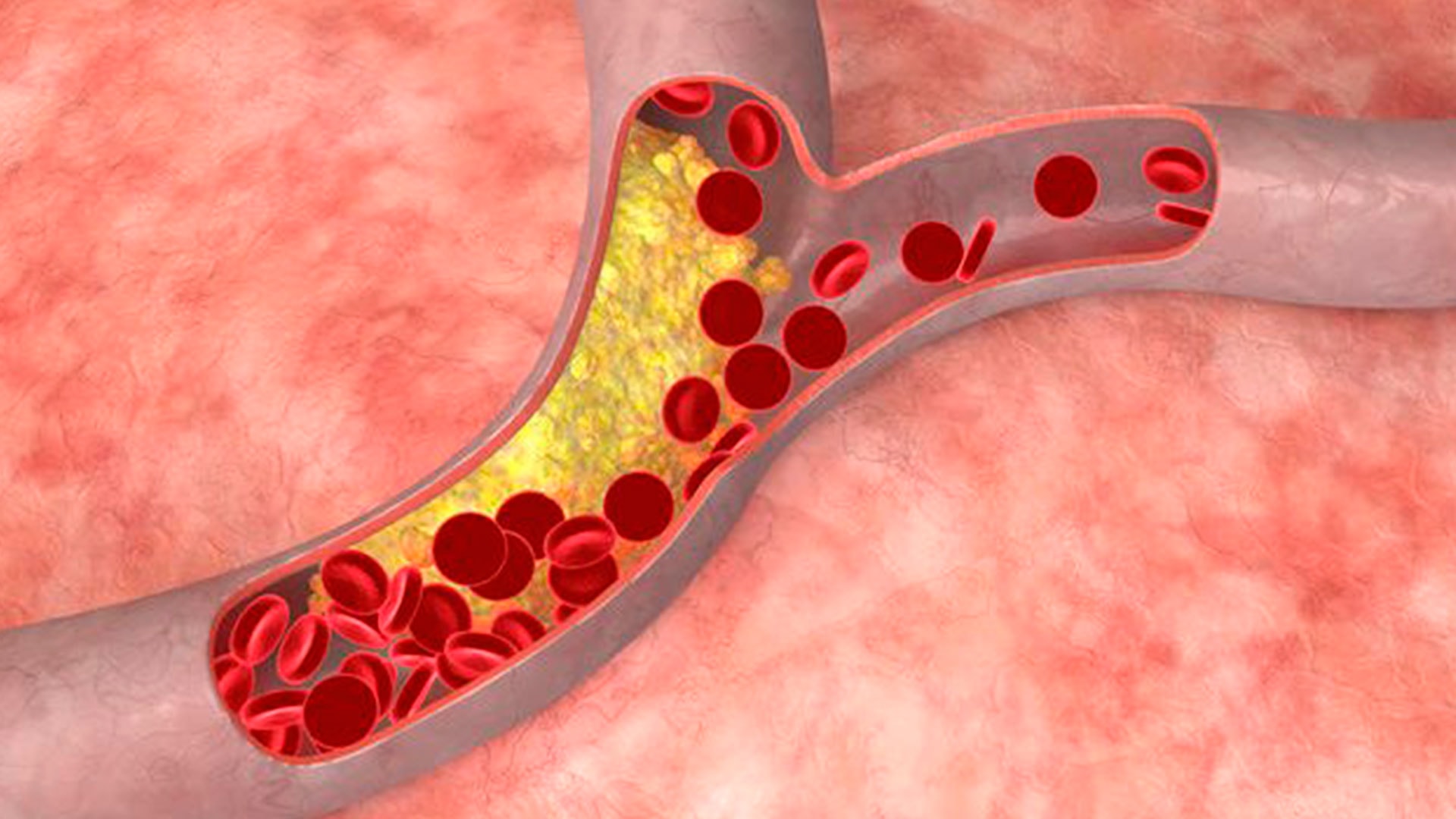

The 5 Lifestyle Changes High cholesterol increases the risk of heart disease and heart attacks…
Spirulina and Chlorella superfoods
Spirulina and Chlorella Superfoods
Smart nutritionists will tell you that if you want to have a high quality of life with good health, you need to have greens in your diet every day. They will also tell you that the more green foods you incorporate into your diet, the healthier you will be.
Two green foods that are related to nutrition are Spirulina and Chlorella algae. Let’s take a look at the difference between these algae.
Chlorella – Great Detoxifying and Immune-Stimulating Agent
Chlorella is classified as a unicellular green freshwater algae. Within its cell, there is chlorophyll, the green pigment that gives plants their green color. Chlorophyll is a powerful detoxifier for the body. Liquid chlorophyll can easily lead to overdose if more than a quarter teaspoon is taken daily at first. One should not take a teaspoon of liquid chlorophyll as it may result in detoxification reactions.
Chlorophyll is also good for oxygen processing, which, of course, every part of the body needs to grow and repair.
Chlorella resembles other freshwater and saltwater plants like brown algae, and it binds to metals such as cadmium, mercury, uranium, and radioactive minerals. This algae has a similar action in the body, dragging these undesirable metals out of the body. Thus, cells can function as expected. Heavy metals destroy the immune system, and the more mechanisms you have to detoxify your body regularly, the healthier you will be over time.
- The results of studies conducted in various countries show that adding 5 grams of Chlorella algae to the diet daily incredibly benefits the immune system. There is a significant increase in natural killer cells of the immune system. These cells kill cancer cells. Chlorella also increases levels of interleukin-1-beta and interferon, two substances beneficial for the immune system.
- Chlorella is an excellent source of beta-carotene, which is the precursor compound of vitamin A in the body. Beta-carotene acts as a remedy against free radicals, providing the body with an antioxidant mechanism.
- This blue-green algae is also excellent for the colon, as it helps create a suitable environment for beneficial bacteria called probiotics to live.
Spirulina – Formidable for the Immune System as it Provides a Large Amount of Nutrients
The Spirulina is not a green algae but blue-green. A biologist would call Spirulina cyanobacteria, which means it uses the sun like other plants; however, its genetic material is not fully located in the cell.
Both Chlorella and Spirulina are easily digestible because the walls of their cells are made of mucopolysaccharides. Mucopolysaccharides are found in many plants, especially in Echinacea, which is used to combat infectious problems due to the effect that mucopolysaccharides have on the immune system.
Health enthusiasts boast about Spirulina’s high protein content and its content of vitamin B12; however, one would need to consume large amounts of Spirulina to obtain enough protein as one would get from a chicken thigh or slice of cheese. Still, the plant-based protein source from Spirulina is certainly a good supplement to the diet.
- The high content of B12 is interesting; however, the plant-based source of vitamin B12 is not well absorbed by the body, and large amounts need to be consumed.
- Spirulina also offers gamma-linolenic acid, again in the average dose it will provide only minimal amounts, but it will be a good dietary supplement. Gamma-linolenic acid is an omega-6 fat that has been shown to be helpful for women with premenstrual syndrome (PMS), children with neurological issues, and those suffering from skin rashes.
- Spirulina contains a pigment called phycocyanin, which is an antioxidant that may be useful for improving the brain, heart, bones, immune system, and red blood cells.
- In a study conducted in Japan, natural killer cells increased in number in an experiment with mice that had tumors, and the researchers were so impressed with the study’s results that they believed Spirulina could be used as a form of immunotherapy against cancer in the future.
So, should you take one instead of the other? You can simply take both and gain the benefits of each. The dosage of each starts with one capsule a day and can be increased over time.
Sources:
Akao, Y., et al. Enhancement of antitumor natural killer cell activation by orally administered Spirulina extract in mice. Cancer Sci 2009 Aug; 100(8): 1494-501.
http://www.ncbi.nlm.nih.gov/pubmed/19432881
Kwak, J.H., et al. Beneficial immunostimulatory effect of short-term Chlorella supplementation: enhancement of natural killer cell activity and early inflammatory response (randomized, double-blinded, placebo-controlled trial). Nutrition Journal 2012 Jul 31; 11: 53. http://www.ncbi.nlm.nih.gov/pubmed/22849818
Related Posts