
The 5 Lifestyle Changes High cholesterol increases the risk of heart disease and heart attacks…
Top 10 Foods Rich in Folate
Top 10 Foods Rich in Folate
Folate belongs to the B vitamin family and is one of the most important for pregnancy. Without this vitamin, the baby can develop a cleft palate, a condition where both the roof of the mouth and the lip do not form correctly, or other neural anomalies such as spina bifida…
What Does Folate Do in the Body?
Folate is a natural form of folic acid. In the body, this vitamin is used in the regulation of the DNA process. When DNA regulation is impaired, the health problems that arise are behavioral, neurological, learning, and memory-related. Folate deficiency is linked to abnormal brain development, learning, and memory.
In an animal study, folic acid deficiency caused high levels of fear in animals deprived of this vitamin in their diet for just three weeks. Folate also has other functions, such as the production of red blood cells, tissue growth, and cellular work.
The metabolism of this B vitamin affects ovarian function and is related to the implantation of the egg in the uterus as well as embryo development. Deficiency results in about 20% fewer eggs that can be fertilized and leads to infertility. A miscarriage may be due to a folate deficiency.
Folate Deficiency is Also Linked to Inflammation, Heart Disease, and Cancer
Folate works alongside other B vitamins, especially B12 and vitamin B6, to prevent heart attacks and heart disease. When levels of this vitamin are low, levels of a substance called homocysteine in the body, in the plasma, rise. Once this happens, the person develops an inability to concentrate and remember information. The deficiency also increases inflammation in the body and causes depression.
New research from Chinese scientists has shown that folate deficiency can cause changes in a protein that leads to slow growth of brain tumors. Doctors in China wanted to see if adding a food to the diet of pregnant women would be sufficient to raise folate levels and thus prevent cleft lip malformation. They chose milk, and indeed this worked. Women who drank milk daily had children who reached term and had better weight and height than those whose mothers did not.
Milk increases the concentration of folate in the blood at weeks 16 and 32 when this folate evaluation was made. Interestingly, milk is not particularly a folate-rich food as it only contains 12 mcg per cup. How much Folate is needed daily? Daily folate needs depend on whether one is an adult, child, or pregnant or breastfeeding. Up to one year of age, the recommended daily allowance is 65-80 mcg; up to 3 years of age, the amount doubles to 150 mcg. After 14 years, the RDA rises to 400 mcg and remains there for men or women who are not pregnant.
Folate needs increase to 600 mcg daily for pregnant women and decrease to 500 mcg daily for those who are breastfeeding. Most supplements contain 800 mcg or more for pregnant women. Individual supplements of 1.2 mg or more are available on the market, suitable for those with folate deficiency.
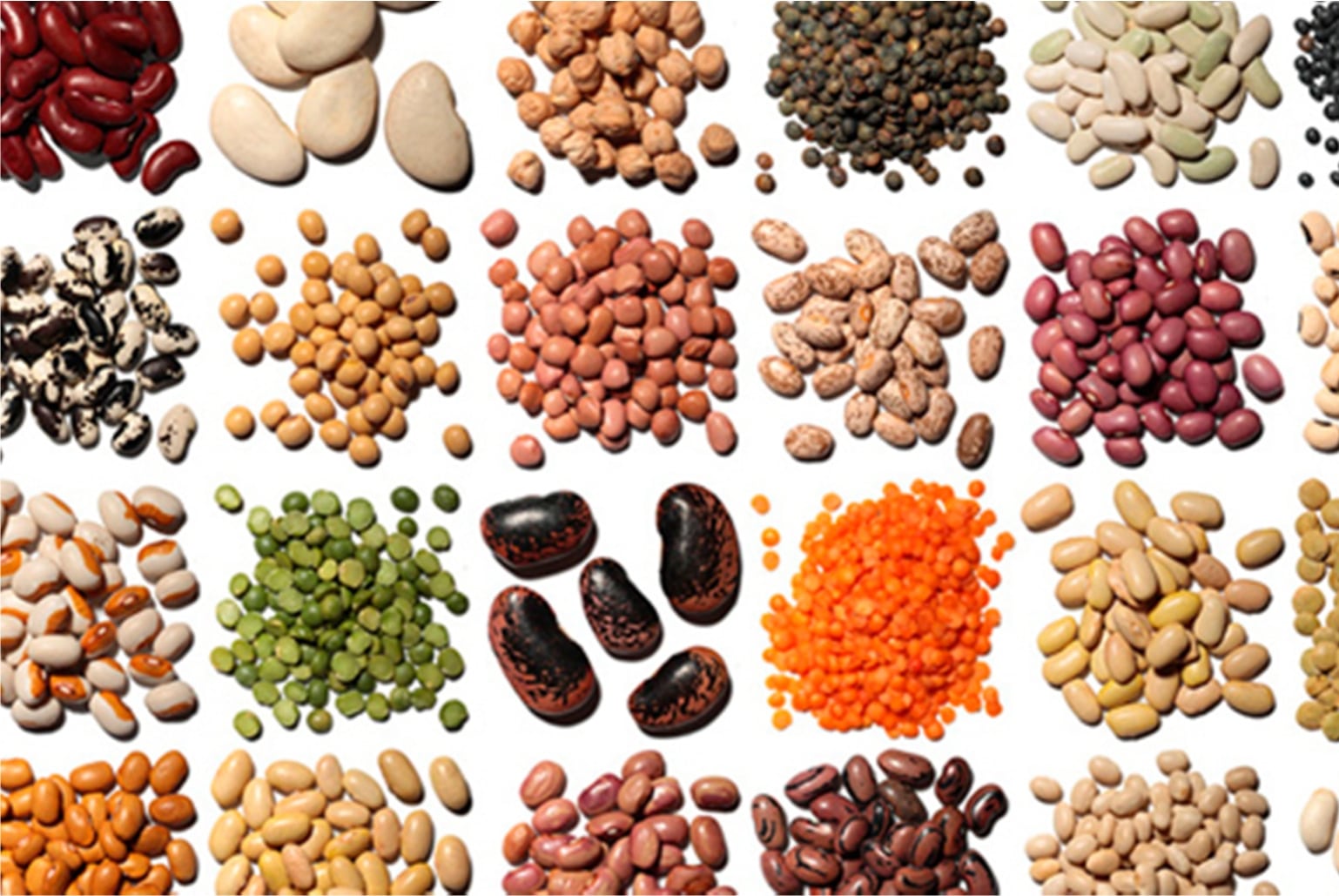
Top 10 Foods Rich in Folates
1.- Lentils, cooked 1 cup-70 g 358 mcg
2.- Black-eyed peas 1 cup-240g 356 mcg
3.- Pinto beans 1 cup-200g 294 mcg
4.- Cooked spinach 1 cup-180 g 262 mcg
5.- Black beans 1 cup-200g 256 mcg
6.- Cooked liver 85g 215 mcg
7.- Chickpeas 1 cup-220g 172 mcg
8.- Cooked broccoli 1 cup-180g 168 mcg
9.- Mango 1 cup-165g 145 mcg
10.- Raw beet 1 cup-180g 136 mcg
Related Posts