

Torticollis Mataró Although it may sound like a strange Italian dish, it is not. Imagine…
Sugar: the 5 best vs the 5 worst
A current topic – some sugars or sugar alternatives that you thought were good for you are now on the list of bad sugars with no reprieve in sight. Consumers do not want to take any risks and are eliminating these from their diet. Ready for the list? We will start with the list of good sweeteners.
The good sweeteners.
-
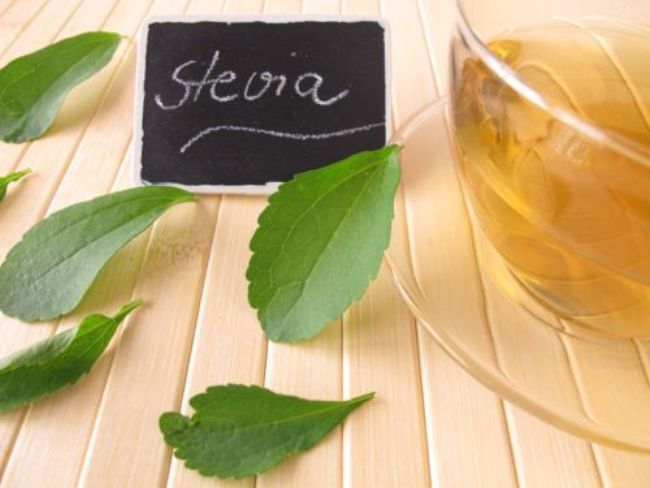
Stevia (0 calories)
This herb from the Amazon rainforest is 300 times sweeter than sugar. Interestingly, its leaves are small – for good reasons. With just the size of a pinhead of the leaf, putting it in your mouth will give you a burst of sweetness. Soak about 10 leaves in water for 24 hours at room temperature, and you will get sweet water that you can use in recipes. This sweetener is available in health food stores, in the form of distilled water extract or alcohol tincture.
Make sure it does not contain aspartame as an additive.
-
Raw honey from local beekeeping(1 tablespoon – 64 calories)

A small amount of honey will last you quite a while. You do not need much to get a sweet flavor. It is preferable to use it in infusions, drinks, and baked goods like pancakes or waffles instead of other sweeteners. Honey has antimicrobial, anticancer, and even anti-allergic properties. Although its glycemic index is not close to that of sugar, the amounts should be measured. In high doses, it can raise blood sugar levels as it is a carbohydrate.
-
Molasses (1 tablespoon – 47 calories)
Not many people know that molasses is very rich in nutrients! It is high in calcium, iron, B vitamins, and potassium, a teaspoon a day can improve your health especially if you have deficiencies in those minerals and vitamins. Molasses is a byproduct of the sugar cane process, so do not go crazy overdosing it. Great for adding to smoothies or baked goods, you do not have to add large amounts – perhaps a third of a cup per baked product recipe and a quarter teaspoon per smoothie.
-
Coconut sugar(1 tablespoon – 45 calories)

Coconut is naturally sweet and if concentrated, you can obtain a substance that crystallizes and can be used in baking recipes. You won’t need much – start by adding half the amount of coconut sugar in your recipe, and adjust from there. You will probably use less than this amount. Coconut sugar has a low glycemic index.
5. Date (Half a date – 66 calories)
Although it is called “date sugar,” this sweetener is not a type of sugar. It is actually an extract from dehydrated dates. Date sugar is widely used as a substitute for white sugar because it is a healthier alternative. It contains essential minerals such as iron, calcium, phosphorus, magnesium, zinc, and selenium. And it is effective in maintaining cognitive functions, maintains blood pressure levels, boosts the immune system, and alleviates migraines, asthma, and muscle pain.
The 5 worst sweeteners
-
Sugar
Sugar is now known as the most addictive substance, more addictive than cocaine and heroin. It intensifies food cravings, causes a drop in blood sugar in an hour and a half, contributes to obesity, diabetes, and pre-diabetes. When trying to stop consuming it, you will feel depressed, just like addicts do. You will be driven to consume more sugar, worse than crack since it has been widely implanted in our society, restaurants, supermarkets, and all social gathering places.
-
High fructose corn syrup
It has been proven to be linked to causing gout, pre-diabetes, insulin resistance, metabolic syndrome, obesity, and liver diseases. High fructose corn syrup is not your friend. There might even be small amounts of mercury in it!
Avoid it because it is cursed.
-
Sugar alcohols
Xylitol, mannitol, and sorbitol (birch sugar) are marketed as natural sweeteners that are found naturally in foods. The problem is the way they are extracted from foods; it is through a fermentation process with multiple steps starting from the genetic design of corn or sugar.
Some recent scientific studies show that these can cause clinical cases of gas in the digestive tract, abdominal bloating, and abdominal pain. Nutritionists specializing in the FODMAP diet (a diet that has a beneficial effect for those suffering from irritable bowel syndrome and other functional gastrointestinal disorders) say it is preferable to stay away from these alternative sweeteners; because they are not good for health.
-
Aspartame

No chemical agent, sweet or not, that has a free number associated with the side effects it can cause, deserves to be on your food list. Do not risk this. Aspartame breaks down or converts into formaldehyde in the brain, one of the most prominent cancer-causing agents. Brain tumors, headaches, dizziness, and other symptoms are related to this artificial sweetener. And do not expect to lose weight with aspartame, because it raises blood sugar levels, so you will gain weight.
-
Splenda (Sucralose)
This artificial sweetener may be marketed as natural but let’s unmask it; once the chemical structure of any natural product is changed, the result is nothing natural. Chlorine is used in this process. Harmful to the environment, this chemical wonder can break down and accumulate in the biosphere, changing the microbiome (the natural flora of the earth).
Just one last comment about a very popular sweetener ranked by many as healthy as agave syrup. But the harmful effects of sugar have little to do with the glycemic index and everything to do with the large amount of fructose…. and Agave is high in fructose. The fructose content will increase insulin resistance in the long term. So ban agave syrup from your healthy choices.
Also cook and bake with these healthy alternatives to sugar and let us know how it goes.
Sources: Benson, Jonathan. Sugar Named ‘Most Addictive Dangerous Substance of Our Time, Worse Than Cigarettes or Alcohol. Sept. 25, 2013. http://www.naturalnews.com/042209_sugar_addictive_substances_cigarettes.html Thomson, Dennis. Sugar vs. High-Fructose Corn Syrup: Is One Sweetener Worse for Your Health? Health Day, June 22, 2015. http://www.cbsnews.com/news/sugar-high-fructose-corn-syrup-worse-for-your-health/
Related Posts