

The 5 Lifestyle Changes High cholesterol increases the risk of heart disease and heart attacks…
Top 5 benefits of garlic for health
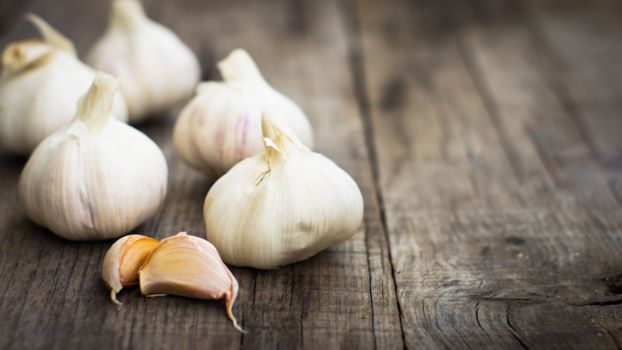
When we think of garlic, our minds evoke images of Dracula and landscapes in France with inhabitants riding bicycles sporting a string of garlic around their necks. The medicinal benefits associated with garlic have been known since the times of the Egyptians, when it was introduced into the food rations to enhance the strength of the slaves working on the construction of the Pyramids of Giza. Over the centuries, garlic has also been consumed by soldiers before participating in battles.
A multitude of legends and superstitions surround this pungent onion genus; European folklore endows garlic with superpowers to ward off vampires, and there is even a custom in certain cultures to carry cloves of garlic in footwear to bring good luck. I am sure that no one in Transylvania or anyone with the superstition of wearing smelly shoes realized that garlic was one of the best antibiotics available and that it provided several health benefits – which we will discover below.
- What does garlic contain?
First of all, garlic, once cut or crushed, releases allicin, a sulfur compound that enters the body through the digestive system. This compound is believed to provide garlic with its antiviral, antibacterial, and antibiotic properties, as allicin interacts with “radical” bacteria. Allicin is also responsible for the potent odor. Garlic boasts other important compounds, such as: alliin (an antioxidant that prevents blood vessel contraction), ajoeno (antibacterial used for fungal infections) and 1.2 DT (anti-inflammatory). If all this were not enough, garlic is also a rich source of nutrients such as manganese (helps to strengthen bone structure) and vitamins B6 and C (see the chart at the bottom of this article).
The top 5 health benefits of garlic.
1. Cancer prevention.
Despite the fact that clinical research is still in a relatively preliminary phase, some studies have yielded promising results, particularly regarding prostate, colon, and rectal cancer. There is even clinical evidence indicating that an increase in the consumption of fresh garlic (up to 28 grams weekly) may reduce the development of other cancers such as breast and lung. Garlic is believed to achieve this reduction due to the activation of an essential molecule called NRF2, which interacts with the nucleus of cells where the molecule becomes a catalyst for metabolic activities. This substance not only enhances the chances of extending the lifespan of cells but also participates in the breakdown and recycling of cancerous cells that have ceased to function properly.
2. Natural antibiotic.
Garlic serves as a natural antibiotic, meaning it becomes a useful tool for combating various classes of viruses, allergies, and infections, due to the capabilities of an element called alistatin (found in one of the compounds) to prevent certain bacteria, including E. coli. Some scientists assert that the antibacterial properties may intervene in the prevention and cure of colds and flus. Considering that garlic also contains other essential compounds, as well as nutrients and vitamins, it certainly represents a potent antibiotic.
3. Eliminate fungal infections.
Among the main compounds in garlic is ajoeno which plays an important role in the prevention of fungal infections. This chemical compound has a multitude of properties; antioxidant, anticoagulant, and antimicrobial that block the bacteria causing fungal infections such as ringworm and athlete’s foot (Candida). Recent studies have yielded results regarding garlic’s ability to combat fungal infections, as the properties found in ajoeno could theoretically compensate for bacteria resistant to pharmaceutical antibiotic treatment.
4. A healthier heart.
Garlic has the ability to lower our cholesterol and triglyceride levels by up to 15%. However, there are other cardiovascular benefits attributed to garlic. In-depth studies seem to confirm that the allicin present in freshly cut (or crushed) garlic gives our arteries and blood vessels more flexibility, thereby reducing the risk of atherosclerosis and heart attacks. Recent research also shows that the sulfur compounds in garlic actively fight against hypertension, especially in people with high blood pressure.
5. Boost your immune system.
Garlic’s anti-inflammatory properties have been known for several centuries, primarily due to a sulfur compound called 1.2 DT, which apparently allows the full development of fat cells in our bodies – a process that is often hindered by inflammatory issues. In other words, studies are beginning to show that the anti-inflammatory, antibacterial, and antiviral properties of garlic may intervene in the prevention of a large number of conditions, such as: colds, flus, dementia, and it could even prevent the development of Alzheimer’s.
- What kind of garlic should I eat and how much?
The best option will always be fresh garlic, as you will always get the maximum amount of nutrients. If you choose fresh garlic, consuming one or two cloves daily will be sufficient (an increase of up to five cloves a day in the case of cancer prevention). Make sure the garlic is fresh and cut (or crushed) to release allicin – the sulfur compound believed to fight unwanted compounds in the body.
If you opt to eat garlic in salads, avoid citrus juices (lemon) and vinegar as they will significantly reduce the nutritional properties of garlic. Try a simple salad of fresh tomatoes, fresh herbs, olive oil, and chopped garlic.
If you really don’t like the idea of eating raw garlic, you could add it to other vegetables in a blender. Other alternatives would be to introduce chopped garlic in the final steps of cooking a dish or using garlic powder or garlic extract, although you won’t get the same level of benefits.
- Precautions and possible side effects.
· Do not overdo it with garlic – if taken in large amounts it could cause bleeding disorders.
· Consume with caution if you have any type of stomach infection or digestive issues (it could damage the gastrointestinal tract).
· Consume with caution during breastfeeding.
NUTRITIONAL INFORMATION – complete version
|
3 cloves raw garlic |
13 calories |
||
|
manganese |
|
8 % RDA |
|
|
vitamin B6 |
|
6 % RDA |
|
|
vitamin C |
|
5 % RDA |
|
|
selenium |
|
2 % RDA |
|
|
calcium |
|
2 % RDA |
|
Related Posts