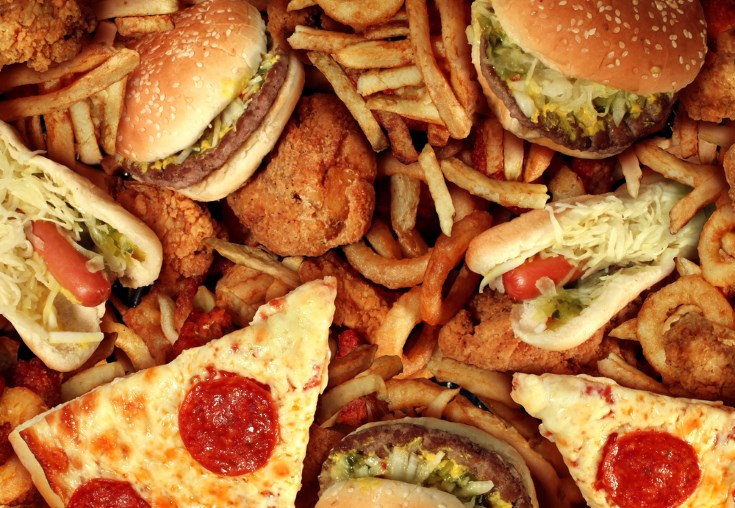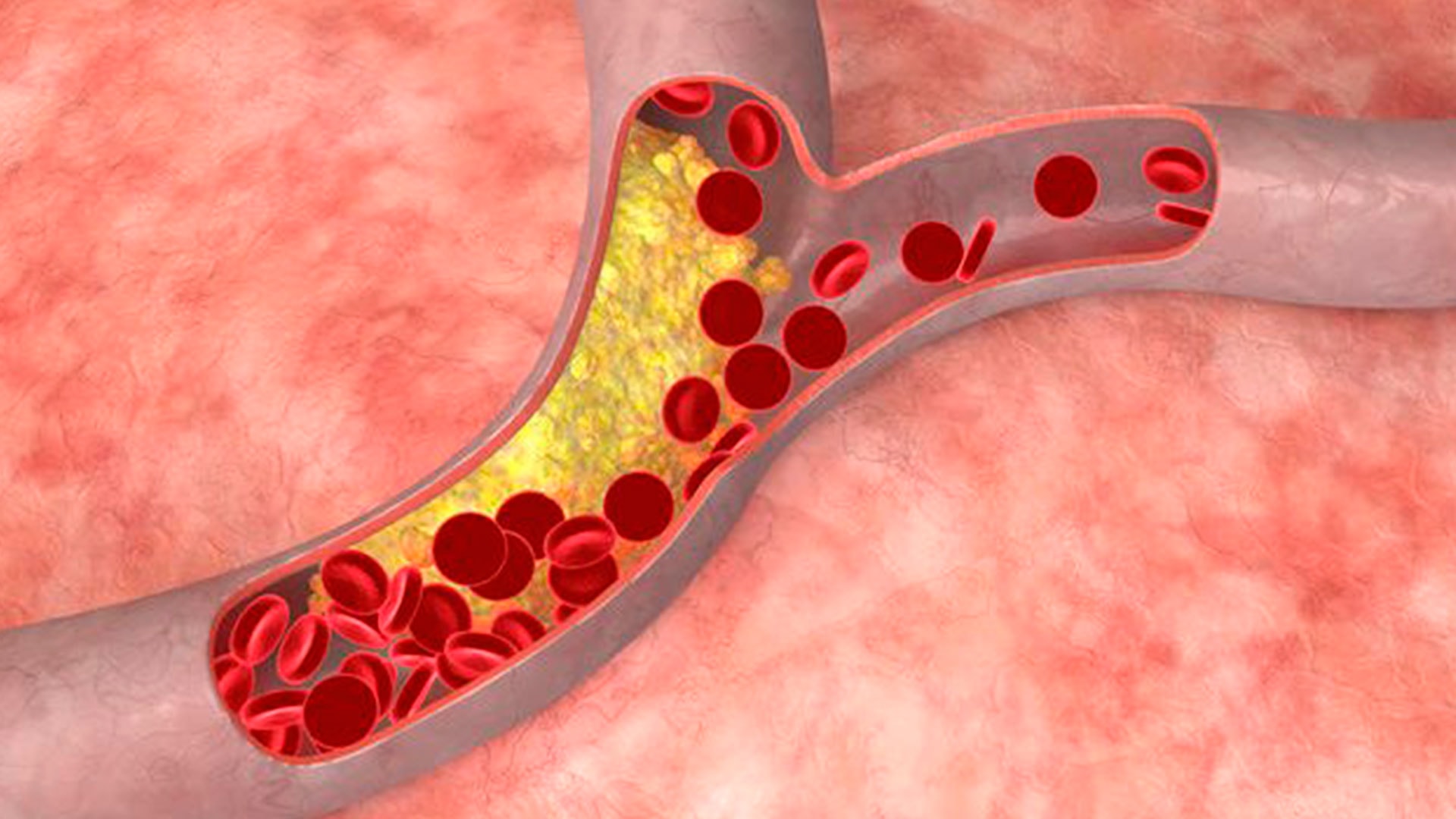
The 5 Lifestyle Changes High cholesterol increases the risk of heart disease and heart attacks…
Kill Cancer with 25 Foods
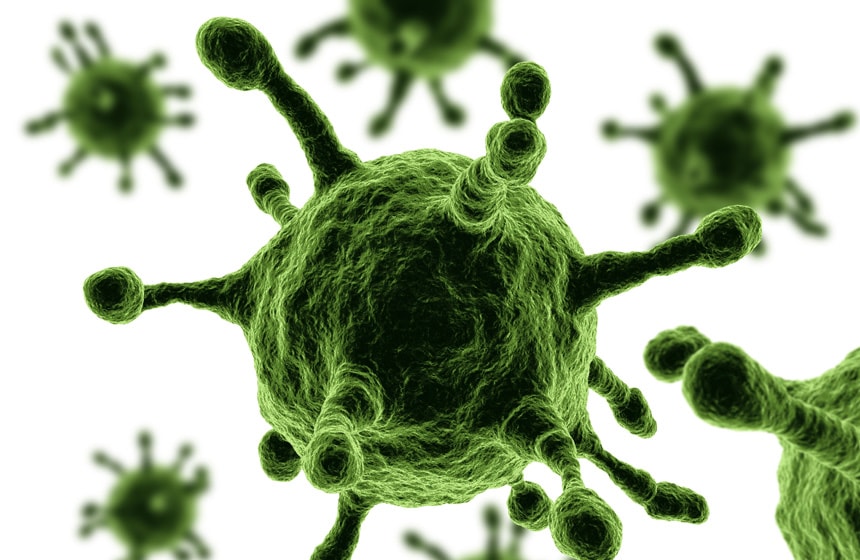
25 foods that can kill cancer stem cells more effectively than chemotherapy and radiation therapy
A new scientific review identifies the top 25 foods and substances that can kill cancer stem cells at the root of their malignancy.
There are hundreds of natural components that have been studied and shown to have anti-cancer activity (check over six hundred research databases), but only a small subset of these have been proven to attack and kill cancer stem cells that are at the root of cancer malignancy.
Turmeric, for example, we have offered several times on this “effective killer” properties of identifying only the heart of cancerous tumors. Recently, ginger has been found in preclinical research to contain a compound up to 10,000 times more effective than the drug used in chemotherapy, Taxol, killing breast cancer stem cells. Even common foods, such as blueberries, have special anti-cancer properties, as explained in a previous article: Research: Radiation therapy causes cancer, blueberries eliminate it.
A new study published in the journal Cancer Research titled, “Natural Products Targeting Cancer Stem Cells,” has made our job much easier in identifying this special category of cancer exterminators by reviewing existing research on the topic and listing the top 25 substances in this category. They are listed below, along with some of their commonly recognized food sources:
- Epicatechin-3-gallate (EGCG) – Green tea
- 6-Gingerol – Ginger
- β-Carotene – Carrots, leafy greens
- Baicalein – Chinese skullcap
- Curcumin – Turmeric
- Cyclopamine – Lily corn [we do not suggest consuming this plant; this simply illustrates the natural components that exist as cancer stem cell killers]
- Delphinidin – Blueberries, Raspberries
- Flavonoids (Genistein) – Soy, red clover, coffee
- Gossypol – Cottonseed [we do not suggest consuming this plant; this simply illustrates the natural components that exist as cancer stem cell killers]
- Guggul extract – Myrrh (Myrrh tree)
- Isothiocyanate – Cruciferous vegetables
- Linalool – Mint
- Lycopene – Grapefruit, tomato
- Parthenolide – Feverfew
- Perillyl alcohol – Mint, cherry, lavender
- Piperine – Black pepper
- Platycodon grandiflorus – Balloon flower (great Chinese bellflower)
- Psoralens – Corylifolia Psoralea, medicinal plant from India and China
- Quercetin – Capers, onion
- Resveratrol – Grapes, raisins, edible wild berries
- Salinomycin – Albus streptomyces
- Silybin – Milk thistle
- Ursolic acid – Thyme, basil, oregano
- Vitamin D3 – Fish, egg yolk, beef, Cod liver oil
- Withaferin A – Winter cherry (ashwagandha)
Why are these substances so important?
The main reason is that conventional chemotherapy and radiation therapy have failed to produce any significant improvement in cancer survival rates because cancer stem cells are highly resistant to these interventions.
In fact, chemotherapy and especially radiation are both capable of increasing the number and virulence of these tumor cells while at the same time it is well known that they have the side effect of further damaging the patient’s immune system.
While the pharmaceutical industry continues to resist incorporating these successful substances into their cancer treatments (a very unethical attitude).
There is a growing number of health professionals who will not turn their backs on the truth and are very interested in alternatives to prevent and treat cancer using foods and/or plant-based treatment approaches.
A new study addresses the relevance of cancer stem cells in the following way:
The cancer stem cell model suggests that tumor initiation is governed by a small subset of differentiated cells with stem-like characteristics, hence they are referred to as cancer stem cells (CSCs).
CSCs possess self-renewal properties and intrinsic survival mechanisms that contribute to tumor resistance to most chemotherapeutic drugs.
The failure to eradicate CSCs during the course of therapy has been assumed to be due to the existence of these cell subsets as the driving force for tumor recurrence or reappearance and metastasis.
Recent studies have focused on understanding the unique phenotypic properties of cancer stem cells from various tumor types, as these are the signals that indicate how these cells underlie self-renewal and drug resistance.
Currently, the pharmaceutical industry has not produced a single drug that targets killing the population of cancer stem cells within tumor cells, as confirmed by this study:
Yes, indeed, the response to CSCs is a fundamental criterion for evaluating cancer treatment, yet there are still no drugs in clinical use that specifically target killing Cancer Stem Cells.
The ability to selectively target cancer cells, and in particular, Cancer Stem Cells, while it is extremely important to leave non-tumor tissues intact.
In the source of this article, there is a section for a database to index research on these substances and now there, sixty-seven of them are included. A section is also being built that compiles research on cancer stem cells, a topic that will undoubtedly be the main part of many future anti-cancer treatments, assuming that the priority, indeed, is to alleviate suffering and not to profit from patients.
Source: http://foodrevolution.org/blog/cancer-stem-cell-killing-foods/
Related Posts