The 5 Lifestyle Changes High cholesterol increases the risk of heart disease and heart attacks…
Restricting salt, 6 dangers
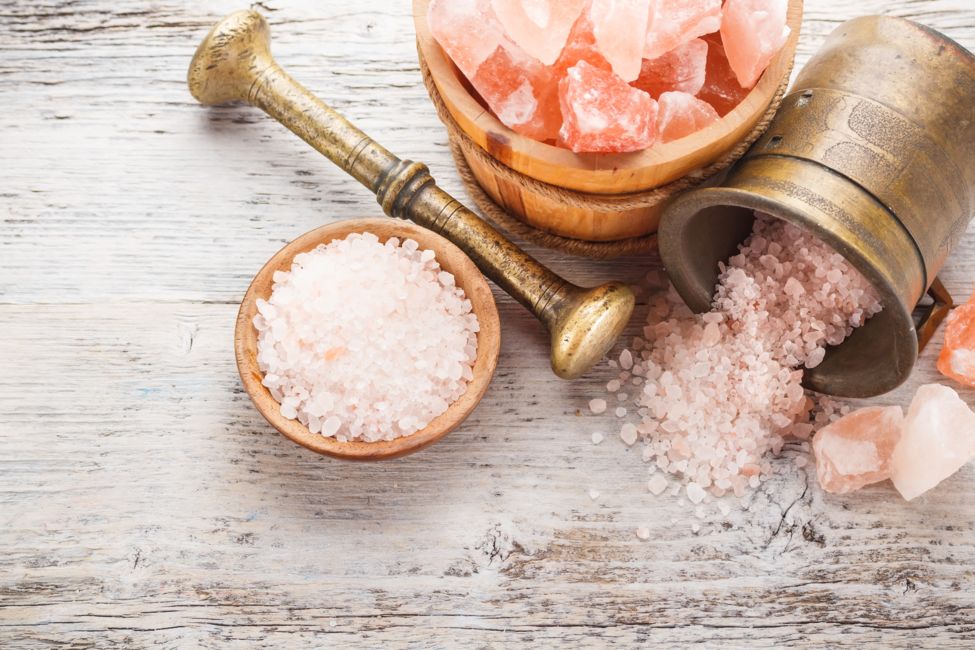
6 Little-Known Dangers of Restricting Salt Too Much (Sodium)
Sodium is an important electrolyte and a main component of salt.
Excess sodium has been linked to high blood pressure, and health organizations recommend that we limit our intake.
Most nutrition guidelines recommend consuming 2,300 mg per day or less. Some even go as low as 1,500 mg per day.
However, while excess sodium causes problems, consuming too little can be just as bad.
Here we outline 6 little-known dangers of excessive sodium restriction.
-
Possible Increase in Insulin Resistance
Some studies have linked low-sodium diets to increased insulin resistance.
Insulin resistance is when the body’s cells do not respond well to the signals from the insulin hormone, leading to higher levels of insulin and blood sugar.
Insulin resistance is believed to be a major driver of many serious diseases, such as type 2 diabetes and heart disease.
A study involving 152 healthy individuals found that insulin resistance increased after just 7 days on a low-sodium diet.
However, not all studies agree, and some have found no effect, even a decrease in insulin resistance.
These studies vary in duration, population studied, and degree of salt restriction, which may explain the differences in results.
Conclusion: Low-sodium diets have been associated with increased insulin resistance, a condition that causes high blood sugar and insulin levels. This can lead to type 2 diabetes and other serious diseases.
-
The Benefits for Heart Disease Are Unclear
It is true that reducing sodium intake lowers blood pressure.
However, blood pressure is only one risk factor for disease. What really matters are critical endpoints like heart attacks or death.
Several observational studies have examined the effects of low-sodium diets on heart attacks, strokes, and the risk of death.
One study found that consuming less than 3,000 mg of sodium per day is linked to a higher risk of dying from heart disease, including heart attacks and strokes.
This is concerning, as another study reported that there is a higher risk of dying from heart disease from consuming low levels of sodium, which many current nutrition guidelines recommend.
However, other studies have shown contradictory results, so this issue remains unresolved.
In 2011, a review of controlled trials found that sodium reduction did not lower the risk of dying from heart attacks or strokes and increased the risk of death from heart failure.
Conclusion: Although the evidence is unclear, some observational studies suggest that low-sodium diets are linked to a higher risk of death from heart attacks or strokes. Controlled trials do not show a clear benefit.
-
Increased Risk of Death from Heart Failure
Heart failure is when the heart cannot pump enough blood to meet the body’s needs for blood and oxygen.
This does not mean that your heart stops functioning completely, but it remains a very serious health issue.
Interestingly, low-sodium diets have been linked to a higher risk of death in people with heart failure.
A review of controlled trials found that in people with heart failure, limiting sodium intake increases the risk of death.
In fact, the effect was strong — people who restricted their sodium intake had a 160% higher risk of death. This is concerning, as heart failure patients are often advised to limit their sodium intake.
However, the results were strongly influenced by a single study, so more research is needed.
Conclusion: There is some evidence that people with heart failure may have a higher risk of death following a low-sodium diet. However, this needs to be confirmed by other studies.
-
A Low-Sodium Diet May Raise LDL Cholesterol and Triglycerides
Many factors can increase the risk of heart disease, including raising levels of LDL cholesterol and triglycerides.
Some studies have found that low-sodium diets can increase both LDL cholesterol and triglyceride levels.
In 2003, a study conducted on healthy individuals found that low-sodium diets caused a 4.6% increase in LDL cholesterol and a 5.9% increase in triglycerides.
A more recent review of studies showed a 2.5% increase in cholesterol and a 7% increase in triglycerides.
Moreover, these studies found that salt restriction only caused a modest average decrease in blood pressure, with a slightly stronger effect in people with high blood pressure.
Conclusion: Studies have found that limiting salt in the diet may raise LDL cholesterol and triglycerides, which are common risk factors for heart disease.
-
Higher Risk of Death for Diabetics
Diabetics have a higher risk of heart attacks and strokes.
Therefore, many guidelines for diabetics recommend limiting salt intake.
However, some studies have found an association between low sodium intake and a higher risk of death in both type 1 and type 2 diabetes.
These were observational studies, and their results should be interpreted with caution.
Conclusion: Patients with type 1 and type 2 diabetes may have a higher risk of death with a low-sodium diet. However, these studies need to be reinforced.
-
Increased Risk of Hyponatremia (Low Sodium Levels in the Blood)
Hyponatremia is a condition characterized by low sodium levels in the blood.
Its symptoms are similar to those caused by dehydration, and in severe cases, the brain can swell, leading to headaches, seizures, coma, and even death.
Certain populations, such as the elderly, are at higher risk of hyponatremia.
This is because the elderly are more likely to have an illness or take medications that can lower sodium levels in the blood.
Athletes, especially those participating in long-distance endurance events, are also at high risk of developing exercise-associated hyponatremia.
In their case, it is usually caused by drinking too much water and not replacing the sodium lost through sweat.
Conclusion: A condition called hyponatremia, or low sodium levels in the blood, can affect certain individuals such as the elderly and some athletes. Consuming less salt increases the risk of this condition.
How Much Sodium Should You Consume?
Studies suggest that there is a J-shaped curve when it comes to sodium effects.
Excess can be harmful, but too little can also have serious consequences.
The lowest risk of health problems and death seems to be at an intermediate point.
An intake of 3000-5000 milligrams per day has been suggested as optimal, which is similar to the average that a person already consumes, or 3371 mg per day.
This equates to 7.5-12.5 grams of sea salt per day, which is about 1.5-2.5 teaspoons per day (salt is only 40% sodium, so sodium is multiplied by 2.5 to find the appropriate amount of salt).
However, some individuals may benefit from restricted sodium intake (restricting salt), such as those with salt-sensitive high blood pressure.
If you are under medical supervision and require a low-sodium diet, or if your doctor has advised you to limit your intake, then continue to do so.
But if you are a healthy person trying to stay healthy, then there is no clear evidence that following a low-sodium diet will improve your health.
Most of the excess sodium that people consume comes from processed or packaged foods – which, in any case, you should not be eating much of.
Adding a little sea salt to your healthy foods to enhance flavor is safe and healthy, and can make your diet much more enjoyable.
Sources
Related Posts