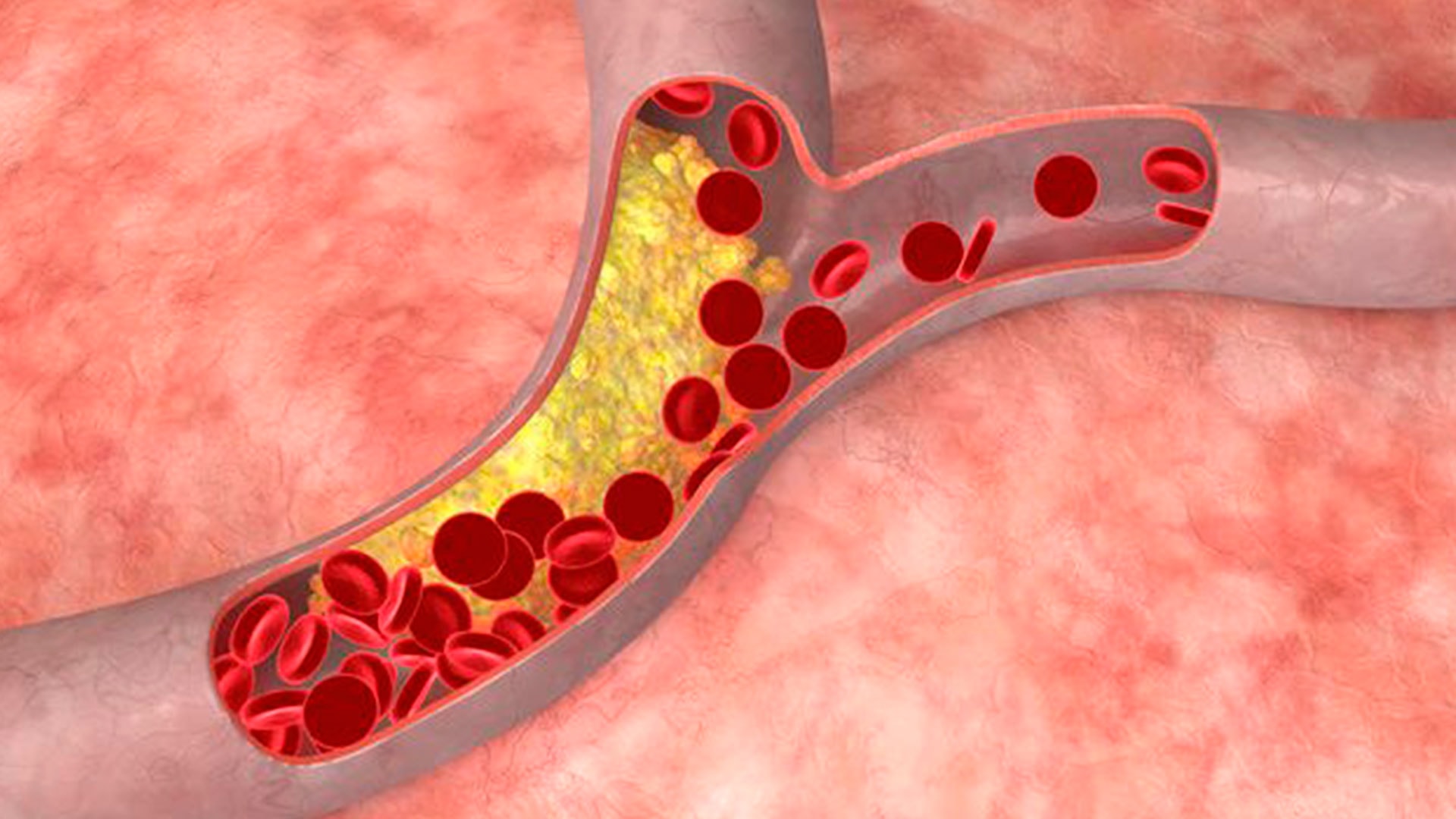


The 5 Lifestyle Changes High cholesterol increases the risk of heart disease and heart attacks…
Reduce sugar, 15 ways

Reduce Sugar
15 Easy and Natural Ways to Lower Blood Sugar Levels
High blood sugar levels occur when the body cannot effectively transport sugar from the blood into the cells.
When not managed, this can lead to diabetes. A 2012 study reported that 12-14% of American adults had type 2 diabetes, while 37-38% were classified as pre-diabetic. This means that 50% of all American adults have diabetes or prediabetes.
Here are 15 easy ways to naturally lower blood sugar levels:
-
Exercise Regularly
Regular exercise can help with weight loss and increase insulin sensitivity. Increased insulin sensitivity means that your cells are better able to use the sugar available in the bloodstream. Exercise also helps muscles use blood sugar for energy and aids in muscle contraction. If you have trouble controlling blood sugar, you should regularly check your levels. This will help you learn how to respond to different activities and keep your blood sugar levels from going too high or too low.
The right exercises include weight lifting, brisk walking, running, cycling, dancing, hiking, swimming, and much more.
Conclusion: Exercise increases insulin sensitivity and helps muscles use sugars from the blood. This can lead to reduced blood sugar levels.
-
Control Carbohydrate Intake
Your body breaks down carbohydrates into sugars (mostly glucose), and then insulin moves the sugars into the cells. When too many carbohydrates are eaten or there are issues with insulin function, this process fails and blood glucose levels rise. However, there are several things you can do about this.
The American Diabetes Association (ADA) recommends monitoring long-term carbohydrate intake.
Conclusion: Carbohydrates break down into glucose, which raises blood sugar levels. Reducing carbohydrate intake can help control blood sugar.
-
Increase Fiber Intake
Fiber slows down the digestion of carbohydrates and the absorption of sugar. For these reasons, it can help raise blood sugar more steadily and in a controlled manner. Furthermore, the type of fiber in the diet can play an important role. There are two types of fiber: soluble and insoluble. While both are important, soluble fiber specifically has been shown to lower blood sugar levels. Additionally, a high-fiber diet can help manage type 1 diabetes by improving blood sugar control and reducing blood sugar spikes. Foods high in fiber include vegetables, fruits, legumes, and whole grains. The recommended daily intake of fiber is about 25 grams for women and 38 grams for men. That’s about 14 grams for every 1,000 calories.
Conclusion: Eating plenty of fiber can help control blood sugar, and soluble dietary fiber is the most effective.
-
Drink Water and Stay Hydrated
Hydration is a key factor in lowering blood sugar levels. During dehydration, the hormone vasopressin causes your liver to produce sugar in the blood, raising your levels. The kidneys then try to get rid of the excess sugar in the blood through urine, causing water loss in the process. Drinking water regularly rehydrates the blood, decreases blood sugar levels, and reduces the risk of diabetes. Keep in mind that water and other calorie-free beverages are best. Sugary drinks raise blood glucose, drive weight gain, and increase the risk of diabetes.
Conclusion: Staying hydrated can lower blood sugar levels and help prevent diabetes. Water is best.
-
Implement Portion Control
Controlling portions helps regulate calorie intake and can lead to weight loss. Consequently, managing your weight promotes healthy blood sugar levels and has been shown to reduce the risk of developing type 2 diabetes. Monitoring portion sizes also helps reduce calorie intake and subsequent blood sugar spikes. Here are some helpful tips for portion control: Measure and weigh portions. Use smaller plates. Avoid all-you-can-eat options at restaurants. Read labels and check serving sizes. Keep a food diary. Eat slowly.
Conclusion: The more control you have over your portion sizes, the better control you will have over your blood sugar levels.
-
Choose Low Glycemic Index Foods
The glycemic index was developed to assess the body’s blood sugar response to foods containing carbohydrates. Both the amount and type of carbohydrates determine how a food affects blood sugar levels. Consuming low glycemic index foods has been shown to reduce blood sugar levels long-term in both type 1 and type 2 diabetics. While the glycemic index of foods is important, the amount of carbohydrates consumed is also important. Low glycemic index foods include seafood, meat, eggs, oats, barley, beans, lentils, legumes, sweet potatoes, corn, yams, and most fruits and non-starchy vegetables.
Conclusion: It is important to choose foods with a low glycemic index and watch your total carbohydrate intake.
-
Manage Stress Levels
Stress can affect your blood sugar levels. Hormones like glucagon and cortisol are secreted during stress. These hormones cause blood sugar levels to rise. One study showed that exercise, relaxation, and meditation significantly reduce stress and lower blood sugar levels for students. Exercise and relaxation methods such as yoga and mindfulness-based stress reduction can also correct insulin secretion issues in chronic diabetes.
Conclusion: In short: Managing stress levels through exercise or relaxation methods like yoga will help you control blood sugar levels.
-
Monitor Your Blood Sugar Levels
“What gets measured, gets managed.” Measuring and monitoring blood glucose levels can also help you manage them. For example, tracking helps determine if adjustments to meals or medications are necessary. It will also help you find out how your body reacts to certain foods. Try to measure your levels daily and keep track of the numbers in a log.
Conclusion: Checking blood sugar levels and keeping a daily log will help you adjust foods and medications to lower your levels.
-
Get Enough Quality Sleep
Getting enough sleep feels great and is necessary for good health. Poor sleep habits and lack of rest also affect blood sugar levels and insulin sensitivity. They can increase appetite and weight gain. Lack of sleep decreases the release of growth hormones and increases cortisol levels. Both play an important role in blood sugar control. Furthermore, it’s about getting good sleep, both in quantity and quality. It’s best to get enough high-quality sleep each night.
Conclusion: Sleeping well helps maintain blood sugar control and promotes a healthy weight. Lack of sleep can disrupt important metabolic hormones.
-
Eat Foods Rich in Chromium and Magnesium
Blood sugar levels and diabetes have also been linked to micronutrient deficiencies. Examples include deficiencies in chromium and magnesium minerals. Chromium is involved in carbohydrate and fat metabolism. It also helps control blood sugar levels, and a lack of chromium can predispose to carbohydrate intolerance. However, the mechanisms behind this are not fully understood. Studies also report mixed results. Two studies of diabetic patients showed that chromium has benefits for long-term blood sugar control. However, another study showed no benefits. Foods rich in chromium include egg yolks, whole grain products, bran-rich cereals, coffee, nuts, green beans, broccoli, and meat. Magnesium has also been shown to affect blood sugar levels, and magnesium deficiency has been linked to an increased risk of developing diabetes.
In one study, people with higher magnesium intake had a 47% lower risk of developing diabetes. However, if you already eat plenty of magnesium-rich foods, then you are unlikely to benefit from supplements. Foods rich in magnesium include dark leafy greens, whole grains, fish, dark chocolate, bananas, avocados, and beans.
Conclusion: Consuming foods rich in chromium and magnesium on a regular basis may help prevent deficiencies and reduce blood sugar issues.
-
Use Organic Apple Cider Vinegar
 Apple cider vinegar has many health benefits. It increases the cells’ use of blood sugar and decreases its production by the liver. It also lowers fasting blood sugar levels. Moreover, studies show that apple cider vinegar significantly influences your body’s response to sugars and improves insulin sensitivity. Incorporate apple cider vinegar into your diet; you can add it to salad dressings or mix 2 teaspoons into a glass of water and drink it before meals. However, it is important to consult with your doctor before taking apple cider vinegar if you are already on medications that lower blood sugar.
Conclusion: Adding apple cider vinegar to your diet may help your body in many ways, including reducing blood sugar levels.
-
Experiment with Cinnamon Extract
Cinnamon is known to have many health benefits. For one, it has been shown to improve insulin sensitivity by decreasing insulin resistance at the cellular level. Studies show that cinnamon can also reduce blood sugar levels by up to 29%. It slows the breakdown of carbohydrates in the digestive tract, which decreases the amount of sugar in the blood that enters the cells after a meal. Cinnamon also acts in a way similar to insulin, although at a much slower rate. An effective dose is 1-6 grams of cinnamon per day, or approximately 0.5-2 teaspoons. However, do not take more than that amount as too much cinnamon can be harmful.
Conclusion: Cinnamon has been shown to lower fasting blood sugar levels and improve insulin sensitivity.
-
Try Berberine
Berberine is the active component of a Chinese herb that has been used to treat diabetes for thousands of years. Berberine has been shown to help lower blood sugar and improve the breakdown of carbohydrates for energy. Moreover, berberine can be as effective as some blood sugar-lowering medications. This makes it one of the most effective supplements for people with diabetes or pre-diabetes. However, many of its mechanisms of action are still unknown. Additionally, it may have some side effects. It has been reported to cause diarrhea, constipation, gas, and abdominal pain. A common dosing protocol is 1,500 mg per day, taken before meals as 3 doses of 500 mg. Conclusion: Berberine works well to lower blood sugar levels and may help manage diabetes. However, it may have some digestive side effects.
-
Eat Fenugreek Seeds
Fenugreek seeds are a great source of soluble fiber, which can help control blood sugar levels. Many studies have shown that fenugreek can effectively lower blood sugar in diabetics. It also helps reduce fasting glucose and improve glucose tolerance. Although not as popular, fenugreek can easily be added to baked goods to help manage diabetes. You can also make fenugreek flour or prepare it in tea. Fenugreek seeds are also considered one of the safest herbs for diabetes. The recommended dose of fenugreek seeds is 2-5 grams per day.
Conclusion: Consider taking fenugreek seeds. They are easy to add to your diet and may help regulate blood glucose levels.
-
Lose Some Weight
It is obvious that maintaining a healthy weight will improve your health and help prevent future health problems. Weight control also promotes healthy blood sugar levels and has been shown to reduce your risk of developing diabetes. Even a 7% reduction in body weight can decrease your risk of developing diabetes by up to 58%, and it seems to work even better than medication. Moreover, this risk reduction can last for years. You should also be aware that your waist measurement will be the factor that relates and measures your weight and your risk of having diabetes. A measurement of 88.9 cm or more for women and 101.6 cm or more for men is associated with a higher risk of developing insulin resistance, elevated blood sugar levels, and type 2 diabetes. Having a healthy waist measurement may be even more important than your total weight.
Conclusion: Maintaining a healthy weight and waist will help you keep normal blood sugar levels and reduce your risk of developing diabetes. Talk to your family so they can help you with your diet or follow it as well.
Make sure to consult with your doctor before making lifestyle changes or trying new supplements. This is especially important if you have issues with blood sugar control or if you are taking medications to lower blood sugar levels. That said, if you are diabetic or have trouble controlling blood sugar, then you should start doing something about it as soon as possible.
Related Posts