
Torticollis Mataró Although it may sound like a strange Italian dish, it is not. Imagine…
Aspirin and Embolisms
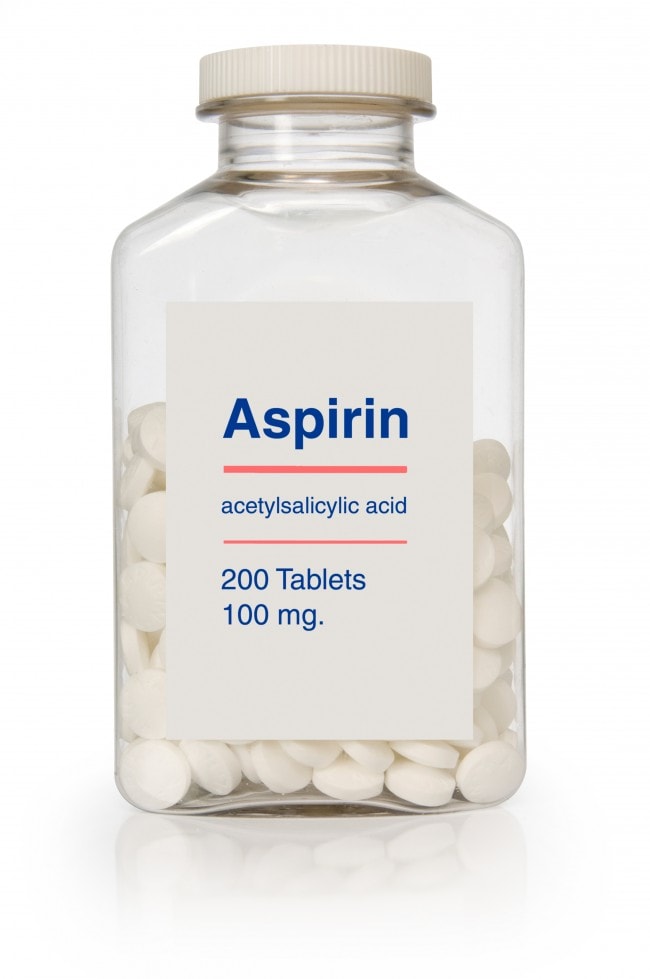
Two aspirin a day could increase the risk of suffering an embolism (Aspirin and Embolisms)
For many years, the pharmaceutical and conventional medical industry has recommended daily aspirin intake as a way to prevent the risk of having an embolism.
However, a study published in September 1999 in the journal Stroke: Journal of the American Heart Association found that taking more than 15 aspirin a week (which is considered a “high dose” by researchers) doubles the risk of developing a hemorrhagic embolism caused by a stroke.
Ischemic embolism, the most common form of embolism, occurs when blood clots or other clots in the arteries restrict blood flow to the brain.
Hemorrhagic embolisms occur when one or more blood vessels in the brain break and bleed, and the risk of death is higher than in ischemic embolism. (Aspirin and embolisms) “This is the first large-scale detailed study on the relationship between aspirin use and the risk of major types of embolism,” explained lead author JoAnn E. Manson, professor of medicine at Harvard Medical School and Brigham and Women’s Hospital.
Researchers examined aspirin use and the risk of suffering an embolism in 79,319 healthy women aged 34 to 59 years, and monitored participants over a period of 14 years from 1980 to 1994, during which 295 ischemic embolisms and 100 hemorrhagic embolisms were recorded.
Dr. Manson noted that while some past research had suggested that it was established that aspirin taken regularly in small doses by individuals who had previously suffered a heart attack or embolism could help prevent recurrence.
The medical debate continues over whether healthy people without a history of cardiovascular problems should take aspirin routinely to prevent the first occurrence of a heart attack or embolism. Aspirin and embolisms Those women who took more than 15 aspirin a week were twice as likely to suffer a hemorrhagic embolism.
The risk of hemorrhagic embolisms has tripled in older women with high blood pressure who took more than 15 aspirin a week, compared to women who did not take aspirin or who simply took a lower dose.
“This study indicates that it could be a simultaneously positive and negative situation regarding the main source of prevention of embolism or heart attack,” said Manson.
“If taking small doses of aspirin reduces the risk of suffering an ischemic embolism in healthy individuals, it is very important information, as it is the most common type of embolism. But on the other hand, our findings suggest that taking high doses of aspirin could be dangerous.”
SOURCES: Advisory Press of the American Heart Association, September 2, 1999. Stroke: Journal of the American Heart Association, Sept. 1999.
Related Posts