
Torticollis Mataró Although it may sound like a strange Italian dish, it is not. Imagine…
21 foods high in iron
21 Foods High in Iron
Iron is an essential nutrient that plays an important role in many bodily functions.
A diet lacking in iron can result in low energy levels, difficulty breathing, headaches, irritability, dizziness, or anemia.
Iron can be found in two forms in foods – heme and non-heme. Heme iron is found only in animal products, while non-heme iron is found only in plant sources.
The recommended daily intake (RDI) is based on an average consumption of 18 mg per day. However, individual needs vary depending on a person’s stage of life and gender.
For example, men and post-menopausal women generally require around 8 mg of iron per day. This amount increases to 18 mg per day for menstruating women and to 27 mg per day for pregnant women.
And, since non-heme iron tends to be less easily absorbed by the body than heme iron, the RDI for vegetarians and vegans is 1.8 times higher than for meat consumers.
Here is a list of 21 plant-based foods that are high in iron.
1-3 Legumes
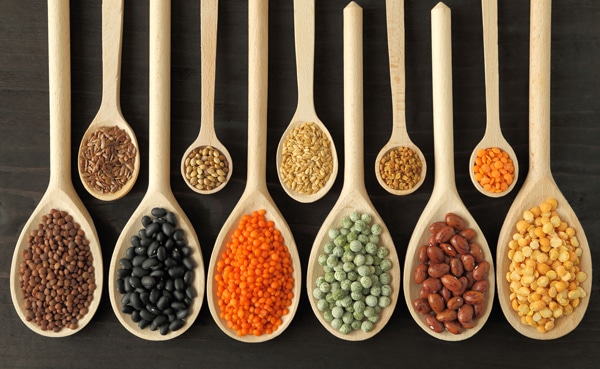
Legumes, such as beans, peas, and lentils, are good sources of iron.
The following are the varieties that contain the highest amounts of iron, from highest to lowest.
- Tofu, tempeh, natto, and soybeans
Soy and soy-derived foods are high in iron when fermented.
In fact, soy contains about 8.8 mg of iron per cup, or 49% of the RDI. The same serving of natto, a fermented soy product, offers 15 mg, or 83% of the RDI.
Similarly, 168 grams of tofu or tempeh each provide 3-3.6 mg of iron, or up to approximately 20% of the RDI.
In addition to iron, these soy products contain between 10-19 grams of protein per serving and are also a good source of calcium, phosphorus, and magnesium.
- Lentils
Lentils are another iron-rich food, providing 6.6 mg per cup of cooked lentils, or 37% of the RDI.
Lentils contain a significant amount of protein, complex carbohydrates, fiber, folate, and manganese as well. One cup of cooked lentils contains 18 grams of protein and covers about 50% of your daily recommended fiber intake.
- Beans and peas
Other types of beans also contain good amounts of iron.
Butter beans, pintos, black beans, kidney beans, adzuki beans, mung beans, etc. closely follow soybeans, offering 4.4 to 6.6 mg of iron per cup of cooked beans, or 24-37% of the RDI.
However, chickpeas and kidney beans have the highest iron content. They provide around 4.6 to 5.2 mg per cup cooked, or 26-29% of the RDI.
In addition to their iron content, beans and peas are excellent sources of complex carbohydrates, fiber, folate, phosphorus, potassium, manganese, and various beneficial plant compounds.
Several studies also link regular consumption of beans and peas to lowering blood pressure, cholesterol, and blood sugar levels, as well as reductions in belly fat.
Beans, peas, and lentils are rich in iron. These legumes also contain good amounts of protein, fiber, vitamins, minerals, and beneficial plant compounds that may reduce your risk of various diseases.
4-5 Nuts and Seeds
Nuts and seeds serve as two of the richest plant sources of iron.
Those looking to increase their total daily iron intake should add the following varieties to their diet, as they contain the highest amounts.
- Pumpkin seeds, sesame seeds, flaxseeds, and hemp seeds
Pumpkin seeds, sesame seeds, hemp seeds, and flaxseeds are the seeds richest in iron, containing around 1.2 to 4.2 mg per two tablespoons, or 7-23% of the RDI.
Products derived from these seeds are also worth considering. For example, two tablespoons of tahini, a paste made from sesame seeds, contain 2.6 mg of iron – which is 14% of the RDI.
Similarly, hummus made from chickpeas and tahini provides around 3 mg of iron per half cup, or 17% of the RDI.
Seeds contain good amounts of plant protein, fiber, calcium, magnesium, zinc, selenium, antioxidants, and also other beneficial plant compounds.
They are also a great source of fatty acids omega-3 and omega-6. Hemp seeds, in particular, appear to contain these two fats in the considered optimal ratio for human health.
- Cashews, pine nuts, and other nuts
Nuts and nut butters contain a small amount of non-heme iron.
This is especially true for almonds, cashews, pine nuts, and macadamia nuts, which contain between 1-1.6 mg of iron per ounce, or around 6-9% of the RDI.
Similar to seeds, nuts are a great source of protein, fiber, healthy fats, vitamins, and minerals, as well as antioxidants and beneficial plant compounds.
Note that if they are processed or roasted, they may damage the nutrients in the nuts, so it is best to consume them raw and unroasted.
When it comes to nut butters, it is best to choose a 100% natural variety to avoid an unnecessary dose of added oils, sugars, and salt.
Nuts and seeds are good sources of non-heme iron, as well as a range of other vitamins, minerals, fiber, healthy fats, and beneficial plant compounds. Add a small portion of them to your menu each day.
6-10 Vegetables
Gram for gram, vegetables often have a higher iron content than foods typically associated with high iron content, such as meat and eggs.
Although vegetables contain non-heme iron, which is absorbed less easily, they are also generally rich in vitamin C, which helps enhance iron absorption.
The following vegetables and plant-derived products offer the highest amounts of iron per serving.
- Leafy greens
Leafy greens, such as spinach, kale, Swiss chard, cabbage, and beet greens contain between 2.5 to 6.4 mg of iron per cup of cooked greens, or 14-36% of the RDI.
For example, 100 grams of spinach contains 1.1 times more iron than the same amount of red meat and 2.2 times more than 100 grams of salmon.
They are also 3 times higher in iron than 100 grams of cooked eggs and 3.6 times more than the same amount of chicken.
However, due to their lightweight, some may have difficulty consuming 100 grams of raw leafy greens. In this case, it is best to consume them cooked.
Other iron-rich vegetables found in this category include broccoli, cabbage, and Brussels sprouts, which contain between 1 and 1.8 mg per cup of cooked vegetables, or around 6-10% of the RDI.
- Tomato puree or paste
At 0.5 mg per cup, tomatoes contain very little iron. However, when dried or concentrated, they offer a much higher amount.
For example, half a cup (118 ml) of tomato puree offers 3.9 mg of iron, or 22% of the RDI, while 1 cup (237 ml) of tomato sauce offers 1.9 mg, or 11% of the RDI.
Sun-dried tomatoes are another rich source of iron, providing 1.3 to 2.5 mg per half cup, or up to 14% of the RDI.
Tomatoes are also a great source of vitamin C, which helps increase iron absorption. Furthermore, they are a great source of lycopene, an antioxidant linked to a reduced risk of sunburn.
- Potatoes
Potatoes contain significant amounts of iron, most concentrated in their skins.
More specifically, a large unpeeled potato (10.5 ounces or 295 grams) provides 3.2 mg of iron, which is 18% of the RDI. Sweet potatoes contain slightly less – around 2.1 mg for the same amount, or 12% of the RDI.
Potatoes are also a great source of fiber. Additionally, one serving can cover up to 46% of your daily needs for vitamin C, B6, and potassium.
- Mushrooms
Certain varieties of mushrooms are particularly rich in iron.
For example, one cup of cooked mushrooms contains around 2.7 mg, or 15% of the RDI.
Oyster mushrooms can offer up to double the iron, while portobello and shiitake mushrooms contain very little.
- Hearts of palm
Hearts of palm are a tropical vegetable rich in fiber, potassium, manganese, vitamin C, and folate.
A lesser-known fact about hearts of palm is that they also contain a good amount of iron – an impressive 4.6 mg per cup, or 26% of the RDI.
This versatile vegetable can be mixed into sauces, grilled, incorporated into stir-fries, added to salads, and even baked with your favorite ingredients.
Vegetables often contain significant amounts of iron. Generally, their high volume-to-weight ratio explains why eating them cooked can make it easier to meet your daily needs.
11-13 Fruits
Fruit is not typically the food group people turn to when wanting to increase the iron content of their diet.
However, some fruits are surprisingly high in iron content.
These are the best sources of iron in this category.
- Prunes or prune juice
Prunes are known for their mild laxative effect, helping to relieve constipation.
However, they are also a good source of iron.
Prune juice, in particular, offers approximately 3 mg of iron per cup (237 ml). That’s around 17% of the RDI and is double the iron of the same amount of prunes.
Prune juice is also rich in fiber, potassium, vitamin C, vitamin B6, and manganese.
- Olives
Olives are technically a fruit, and one with a good iron content.
They contain around 3.3 mg of iron per 3.5 ounces (100 grams), or 18% of the RDI. Additionally, fresh olives are also a great source of fiber, healthy fats, and fat-soluble vitamins A and E.
Olives also contain a variety of beneficial plant compounds believed to provide various health benefits, including a lower risk of heart disease.
- Blackberries
Blackberries are a type of fruit with particularly impressive nutritional value.
Not only do they offer around 2.6 mg of iron per cup – 14% of the RDI – but this amount of blackberries also meets 85% of the RDI for vitamin C.
Blackberries are also a great source of antioxidants, which can offer protection against heart disease, diabetes, and some forms of cancer.
Prune juice, olives, and blackberries are the three types of fruit with the highest concentration of iron per serving. These fruits also contain antioxidants and a variety of other nutrients beneficial for health.
14-17 Whole Grains
Research links whole grains with a variety of health benefits.
These benefits include increased longevity and a lower risk of obesity, type 2 diabetes, and heart disease.
However, not all grains are equally beneficial. For example, processing grains typically removes parts of the grain that contain fiber, antioxidants, vitamins, and minerals, including iron.
For this reason, whole grains typically contain more iron than processed grains. The following are the four types of whole grains that contain the highest amounts of iron per serving.
- Amaranth
Amaranth is an ancient gluten-free grain that does not grow from grasses like other grains do. For this reason, it is technically considered a “pseudo-grain.”
Amaranth contains around 5.2 mg of iron per cup of cooked grain, or 29% of the RDI.
Interestingly, amaranth is one of the few complete sources of plant protein and also contains good amounts of complex carbohydrates, fiber, manganese, phosphorus, and magnesium.
- Spelt
Spelt is another ancient grain rich in iron.
It contains around 3.2 mg of iron per cup of cooked grain, or 18% of the RDI. Additionally, spelt offers around 5-6 grams of protein per serving, which is approximately 1.5 times more protein than more modern grains, such as wheat.
Spelt contains a variety of other nutrients as well, including complex carbohydrates, fiber, magnesium, zinc, selenium, and B vitamins. Its mineral content may also be slightly higher than that of more conventional grains.
- Oats
Oats are a tasty and easy way to add iron to your diet.
One cup of cooked oats contains around 3.4 mg of iron – 19% of the RDI – as well as good amounts of plant protein, fiber, magnesium, zinc, and folate.
Moreover, oats contain a soluble fiber called beta-glucan, which may help promote gut health, increase feelings of fullness, and reduce cholesterol and blood sugar levels.
- Quinoa
Like amaranth, quinoa is a gluten-free pseudo-grain rich in complete protein, fiber, complex carbohydrates, vitamins, and minerals.
It offers around 2.8 mg of iron per cup of cooked grain, or 16% of the RDI. Additionally, research links a rich antioxidant content of quinoa with a lower risk of medical conditions, including high blood pressure and type 2 diabetes.
Whole grains generally contain more iron than refined grains. The varieties mentioned above are particularly rich in iron but also contain several other nutrients and beneficial plant compounds for health.
18-21 Others
Certain foods do not fall into one of the above food groups, yet contain significant amounts of iron.
Incorporating them into your diet can help you meet your recommended daily iron intake.
- Coconut milk
Coconut milk can be a tasty alternative to cow’s milk.
Although very high in fat, it is a good source of several vitamins and minerals, including magnesium, copper, and manganese.
Coconut milk also contains a good amount of iron – more specifically, around 3.8 mg per half cup (118 ml), or about 21% of the RDI.
- Dark chocolate
Dark chocolate contains significantly more nutrients than its milk chocolate counterpart.
Not only does it offer 3.3 mg of iron per ounce (28 grams), which is around 18% of the RDI, but it also contains a good amount of fiber, magnesium, copper, and manganese.
Additionally, dark chocolate is a potent source of antioxidants, a group of beneficial plant compounds that help protect against various diseases.
- Molasses
Molasses is a sweetener that is often claimed to be healthier than refined or white sugar.
In terms of iron, it contains around 1.8 mg of iron per two tablespoons, or about 10% of the RDI.
This serving also helps cover between 10-30% of your daily recommended intake of copper, selenium, potassium, vitamin B6, magnesium, and manganese.
However, despite its high nutrient content, residual molasses is still very high in sugar and should be consumed in moderation.
- Thyme
Dried thyme is one of the most popular culinary herbs.
Many consider it an inexhaustible source of nutrition, and research has linked it to health benefits ranging from fighting bacterial infections and bronchitis to improving mood.
Thyme also happens to be one of the herbs with the highest iron content, offering 1.2 mg per teaspoon of dried herb, or around 7% of the RDI.
Sprinkling a little on every meal is a good strategy for those looking to increase their iron intake.
Coconut milk, dark chocolate, molasses, and dried thyme are lesser-known but certainly rich sources of iron.
How to Increase Iron Absorption from Plant Foods
Heme iron found in meat and animal products is generally more easily absorbed by the human body than non-heme iron found in plants.
For this reason, the recommended daily intake of iron is 1.8 times higher for vegetarians and vegans than for meat eaters.
This amounts to approximately 14 mg per day for men and post-menopausal women, 32 mg per day for menstruating women, and 49 mg per day for pregnant women.
However, there are several strategies that can be employed to increase the body’s ability to absorb non-heme iron. These are the most researched methods:
- Eat foods rich in vitamin C: Consuming foods rich in vitamin C along with non-heme iron-rich foods can increase iron absorption by up to 300%.
- Avoid coffee and tea with meals: Drinking coffee and tea with meals can reduce iron absorption by 50-90%.
- Soak, sprout, and ferment: Soaking, sprouting, and fermenting grains and legumes can improve iron absorption by reducing the amount of phytates naturally present in these foods.
- Use a cast iron skillet: Foods cooked in a cast iron pot tend to provide two to three times more iron than those cooked in non-iron cookware.
- Consume foods rich in lysine: Eating plant foods like legumes and quinoa that are rich in the amino acid lysine along with your iron-rich meals can increase iron absorption.
The type of iron found in plant foods (non-heme) is less easily absorbed by the body. The methods described here can be used to maximize your absorption.
www.chiropractic1.com
Related Posts