


Hypertension Natural Solution Hypertension is a medical condition characterized by an increase in blood pressure…
Kitesurf and Chiropractic
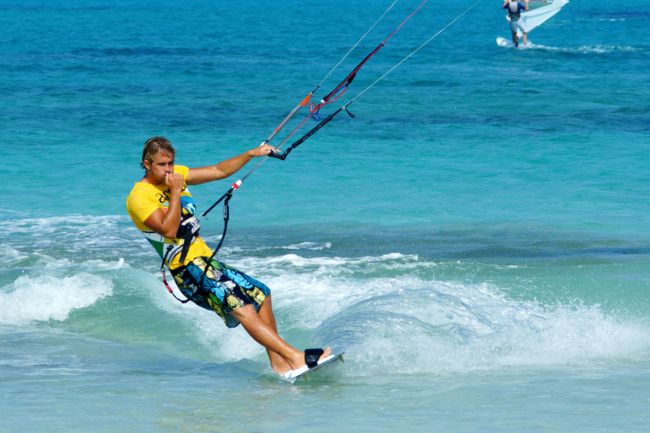
Kitesurf and Chiropractic
Chiropractic is definitely my first passion. But I have to confess that when the clinic is closed and the wind direction is right, I am at the beach practicing my favorite sport, Kitesurfing.
As a Doctor of Chiropractic, I am always looking for the causes of problems and not just wanting to relieve the symptoms that accompany them. Treating a symptom is like trying to hide the underlying problem.
Imagine if you had to take a painkiller for back pain before going kiting. You would have short-term relief but without knowing that the medication is causing you more harm. Pain serves to alert the body to the presence of an injury, inflammation, or infection and protects you with that warning.
The most common injuries in this sport are caused by a loss of control of the kite, lack of caution, technical errors, and also due to the extreme force of the wind. The most common issues when practicing kitesurfing are abrasions, lacerations, contusions (foot, ankle, and knee) and discomfort caused by prolonged postures, material friction, or simple muscle overload. This group includes cervical pain (a consequence of constantly looking up at the kite), lumbar pain (where the harness is usually attached). Other typical injuries include tennis elbow or epicondylitis and shoulder dislocation, caused by constant abrupt movements.
Good prior training and knowledge of the correct posture will save you from most of these injuries.
Posture:
Leaning in kitesurfing is the most difficult way to navigate and causes most of the back pain.
To achieve an adequate posture, the key is to gain control over the wind and not the other way around. Your body will work more efficiently, which means your endurance will be much greater, and you will be able to steer with more power and convert that power into movement more effectively.
- Keep your body straight. Your knees, torso, and head should form a fairly straight line. Your hips should be slightly forward to maintain that straight posture.
- Balance the kite to the side. Focus on keeping your body straight and applying heel pressure to steer.
- Point your hips in the direction you want to go.
Poor posture drastically influences your control of the kite and decreases the possibility of flying. Instead of using your body weight to counteract the kite, you have to use your muscles, which can become very exhausting, but if you observe yourself doing it and consciously straighten up and focus on maintaining better form.
Strength
Maintaining good posture is not that easy; muscles play a significant role as posture depends on them. The core is the center of gravity of our body, and the stronger the base, the longer you can hold the posture without getting fatigued. The core is made up of several muscles: abdominal muscles, back, hips, and pelvic muscles.
You may have noticed your posture curving as your body feels fatigued – this is when injuries are likely to occur, and it is a good time to call a chiropractor.
Core training is essential for all kiteboarders, regardless of the kite flying style. In fact, this training is a key element for all kinds of sports like golf and soccer.
Luxury machines can be used to strengthen the core muscles, or, just as effectively, exercises can be done at home without any equipment. Bodyweight exercises are very effective for developing core strength. They are also the type of exercises that many athletes and trainers use to strengthen this part of the body. They include:
- Abdominal Bracing
- Plank Exercise

- Side Plank Exercise
- Push Up
- Squats
- Hip Raises
- Lunge with Twist
Final Word
There are many days when the wind does not blow in the direction we want or with the strength we imagine. However, windless days are the perfect time to start working on your strength with the previous exercises, and you will see that your position will be stronger in the water.
By following these tips, you will see solutions where there were once problems; the back pain that most people suffer while practicing this sport will be greatly reduced thanks to these exercises.
Unfortunately, what we cannot avoid are bumps on sandbanks or not landing those jumps correctly. In those cases, a chiropractor will become your best ally to get you back in the water as soon as possible. Kitesurf and Chiropractic
Related Posts