
Hypertension Natural Solution Hypertension is a medical condition characterized by an increase in blood pressure…
Meniscus Wear Due to Spinal Deviation
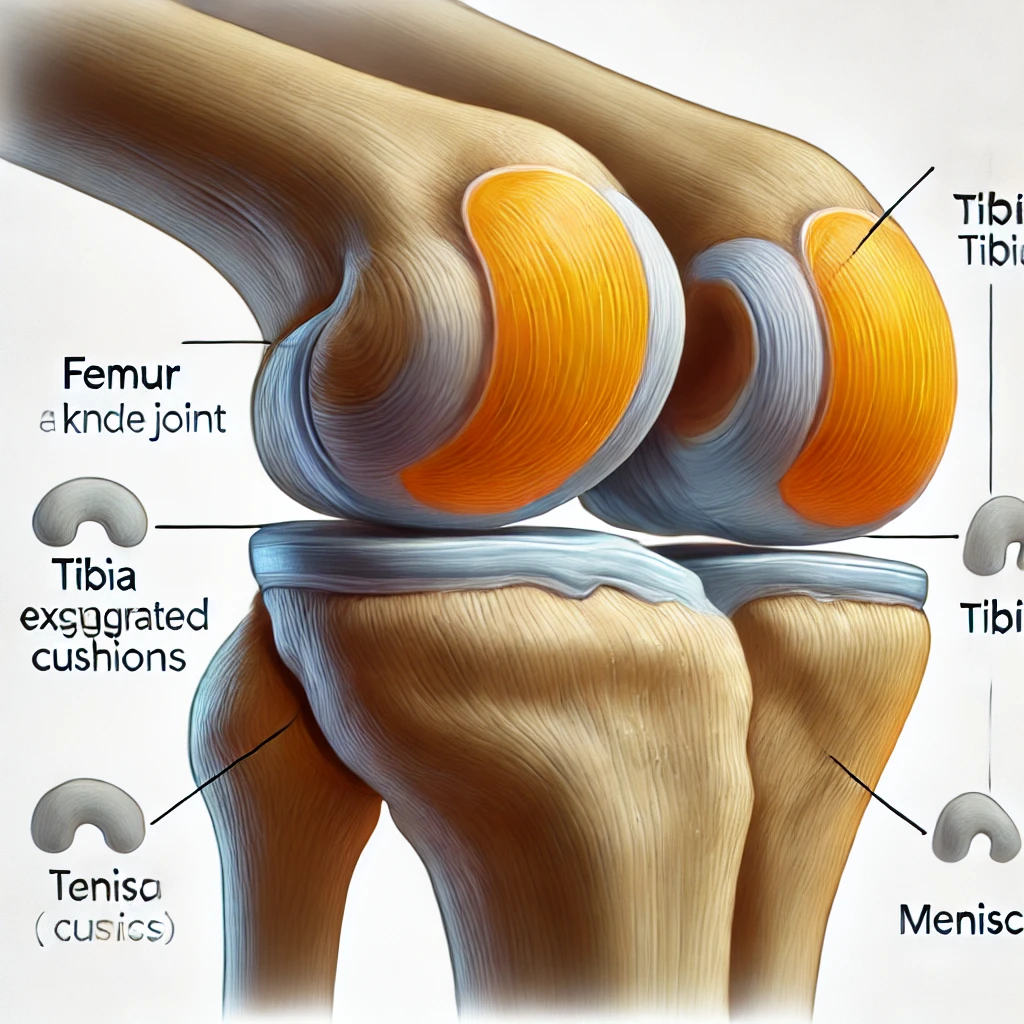
Meniscus Wear Due to Spinal Deviation: Causes and Relationship with Surgeries in the Heavier Load Leg
Summary
Meniscus wear is a common problem affecting the knee joints and is related to factors such as spinal deviation. These deviations can lead to uneven weight distribution, overloading one leg and increasing the risk of meniscus damage. A large percentage of meniscal surgeries are performed on the leg that bears more weight. This article reviews scientific studies that analyze the relationship between postural deviation and meniscus wear, and discusses the clinical implications of these findings.
Introduction
The meniscus is essential for knee health, as it distributes weight and cushions loads on the joint. However, when there is a spinal deviation (such as scoliosis or lordosis), weight distribution in the legs can be altered, overloading one of the limbs. This phenomenon contributes to meniscus wear, which can lead to serious injury and the need for surgery.
In this article, we will examine how spinal deviation affects meniscus wear, as well as the prevalence of surgeries in the leg that bears the greater load.
Biomechanics of the Meniscus and Unequal Load
The meniscus distributes loads in the knee, protecting the cartilage from excessive wear. When the spine is deviated, body weight is not distributed evenly, causing overload in one of the knees. Various studies have shown that a spinal deviation can increase pressure on a meniscus, leading to premature wear.
A study by Ghoz et al. (2018) shows that patients with scoliosis have a higher risk of meniscus wear in the dominant leg, which bears more weight. In these patients, movements and load distribution in the knee are altered, increasing the risk of meniscal injuries.
Relationship Between Spinal Deviation and Meniscus Surgery
Meniscus wear often leads to the need for surgical intervention. Recent studies have found that a high percentage of meniscal surgeries are performed on the leg with the greater load. According to Navarro et al. (2020), 78% of meniscal surgeries occurred in the knee of the dominant leg in patients with scoliosis or postural misalignments.
Additionally, an analysis by Ferrari et al. (2021) indicated that in 74% of meniscal surgery cases, patients had some spinal deviation, confirming the relationship between unequal load and meniscal damage.
Clinical Implications
The evaluation of patients with knee pain should include a comprehensive postural analysis to identify possible spinal deviations that may be causing accelerated meniscus wear. Early correction of these deviations can prevent meniscus wear and reduce the need for surgeries.
Conclusions
Meniscus wear is closely related to spinal deviation, which generates an unequal load distribution on the lower limbs. This results in a higher prevalence of injuries and meniscal surgeries in the leg that bears more weight. Correcting postural deviations is essential to avoid meniscal damage and improve joint health.
- Advanced Spine Center: This article describes how imbalances in spinal alignment, such as scoliosis, can affect the body’s biomechanics and cause problems in the lower limbs, including the knees. It is useful for understanding how spinal deviation can lead to overload in one leg and contribute to meniscus wear. Advanced Spine Center
- Knee Surgery & Related Research: This study analyzes how poor mechanical alignment, including meniscus extrusion, may be related to other factors, such as cartilage wear and postural alterations, helping to document the connection between unequal loads and knee problems. Knee Surgery & Related Research
- Leg-Length Discrepancy and Scoliosis: This study explores how leg length discrepancy (LLD) can alter the biomechanics of gait and increase stress on the spine and lower limbs, potentially leading to greater joint wear, including the knee. HSS Study
- Role of the Meniscus in Cartilage Injury: This article provides information about the role of the meniscus in joint health and how extrusion and meniscal damage can contribute to serious knee problems, reinforcing the need to prevent unequal loads. SpringerLink – Role of the Meniscus
Related Posts