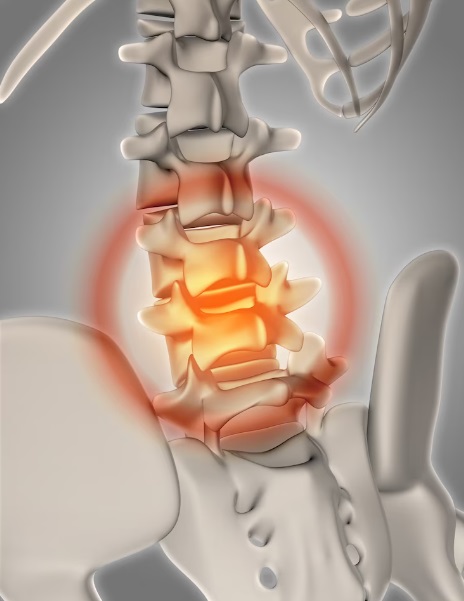

Chiropractic Treatment for Herniated Disc
A herniated disc is a condition in which the inner material of a spinal disc shifts and exerts pressure on nearby nerves. This can result in pain, numbness, and weakness in the affected area. Chiropractic care is a non-invasive approach that can provide relief and promote recovery in cases of herniated disc.
1. What is Chiropractic?
Chiropractic is a field of alternative medicine that focuses on the diagnosis and treatment of disorders of the musculoskeletal system, especially the spine. Chiropractors use manual techniques and spinal adjustments to relieve pain, restore function, and promote overall health.
2. Causes of Herniated Disc
A herniated disc can occur due to a variety of factors, including:
- Traumatic injuries to the spine.
- Repetitive or incorrect movements that put pressure on the intervertebral discs.
- Natural wear and aging of the discs.
3. Symptoms of Herniated Disc
Symptoms of a herniated disc can vary depending on the location and severity of the condition. Some common symptoms include:
- Sharp or chronic pain in the lower back.
- Pain that radiates to the legs or arms.
- Numbness or weakness in the affected limbs.
- Difficulties moving or changes in posture.
4. How Can Chiropractic Help in Cases of Herniated Disc?
Chiropractic can be beneficial for individuals suffering from a herniated disc, as it focuses on non-invasive treatment and improving spinal function. Some benefits of chiropractic for herniated disc include:
- Pain relief: Chiropractors use manual techniques, such as spinal adjustments, to relieve pressure on compressed nerves, which can reduce pain associated with herniated discs.
- Improved mobility: Chiropractic adjustments and other techniques can help restore mobility and flexibility of the spine, facilitating recovery and preventing future injuries.
- Muscle strengthening: Chiropractors may recommend therapeutic exercises designed to strengthen the muscles surrounding the spine, which can provide stability and additional support for herniated discs.

5. Chiropractic Approach to Treating Herniated Disc
The chiropractor will carefully evaluate your condition and make an accurate diagnosis before developing an individualized treatment plan. The chiropractic approach to treating herniated discs may include:
- Spinal adjustments: Chiropractic adjustments are gentle and precise manipulations of the spine that help realign the vertebrae and reduce pressure on the nerves affected by the herniated disc. These adjustments can provide immediate relief and promote healing.
- Traction techniques: Spinal traction is used to gently stretch the spine and separate the vertebrae, which can reduce pressure on the herniated disc and allow it to heal. This technique can be performed manually or using specialized devices.
- Massage therapy: Therapeutic massage can help relax tense muscles and reduce inflammation in the area affected by the herniated disc. This can contribute to pain relief and improve blood circulation, thus facilitating the healing process.
- Therapeutic exercises: The chiropractor may recommend a series of specific exercises designed to strengthen the back muscles, improve flexibility, and stabilize the spine. These exercises can be performed in the chiropractor’s office or at home as part of a rehabilitation program.
- Education and counseling: The chiropractor also plays an important role in educating the patient about the herniated disc and how to avoid behaviors or movements that may aggravate the condition. They may also provide advice on ergonomics and proper postures to prevent future injuries.
It is important to note that chiropractic treatment for herniated disc may vary depending on each individual case. The chiropractor will work closely with you to develop a personalized treatment plan that meets your specific needs and goals.
Where Do Your Problems Come From?
Find the natural path to your goals.
6. Benefits and Considerations of Chiropractic for Herniated Disc
Chiropractic offers a number of benefits for the treatment of herniated disc, such as:
- Non-invasive approach: Unlike surgery or other invasive procedures, chiropractic focuses on gentle manual techniques and spinal adjustments to treat herniated discs. This reduces the risk of complications and speeds up the recovery process.
- Pain relief: Chiropractic adjustments and other therapies can help reduce the pain and discomfort associated with herniated discs. This can significantly improve quality of life and allow for greater mobility.
- Comprehensive treatment: Chiropractic not only focuses on relieving the symptoms of herniated disc but also addresses the underlying causes of the condition. Chiropractors work together with patients to develop personalized treatment plans that include adjustments, massage therapy, exercises, and healthy lifestyle recommendations.
- Prevention of future injuries: In addition to treating existing herniated discs, chiropractic can help prevent future injuries by strengthening back muscles, improving posture, and providing education on proper lifting techniques and ergonomics.
However, it is also important to consider some factors before seeking chiropractic treatment for herniated disc:
- Severity of the condition: Chiropractic may be effective for mild to moderate herniated discs. In cases of severe herniated discs or those causing severe neurological symptoms, such as loss of bladder or bowel control, urgent medical intervention may be required.
- Proper assessment: It is essential for a chiropractor to conduct a thorough and accurate assessment of the condition before beginning any treatment. This will ensure that the therapeutic approach is safe and effective.
- Open communication: It is essential to communicate any symptoms or concerns to the chiropractor during treatment. This will allow for adjustments and modifications to the treatment plan as necessary.
Overall, chiropractic can be an effective and safe option for the treatment of herniated disc, especially in cases of mild to moderate severity. However, it is important to seek chiropractic care from a qualified and experienced professional in managing herniated discs.
Chiropractic is an effective and non-invasive approach to treating herniated discs. Through spinal adjustments, traction techniques, massage therapy, and therapeutic exercises, chiropractors can relieve pain, improve mobility, and promote healing in cases of herniated discs. Additionally, chiropractic offers benefits such as a comprehensive approach, pain relief, and prevention of future injuries.
It is important to note that each case of herniated disc is unique, and it is essential to seek evaluation and treatment from a qualified and experienced chiropractor. The chiropractor will develop a personalized treatment plan that meets your specific needs, taking into account the severity of the condition and your health goals.
Remember that open and honest communication with your chiropractor is crucial throughout the treatment process. If you experience any new symptoms or changes in your condition, you should inform your chiropractor immediately.
In summary, chiropractic offers a safe and effective alternative for treating herniated discs. With the right approach, collaboration with the chiropractor, and adopting a comprehensive approach to health care, you can experience significant improvement in your condition and enjoy a better quality of life.
Remember that it is always advisable to seek a professional evaluation and personalized guidance from a chiropractic professional before starting any treatment. Don’t hesitate to seek the right chiropractic care for you and take the first step towards recovery and wellness!
Frequently Asked Questions about Chiropractic for Herniated Disc
Can chiropractic completely cure a herniated disc?
Chiropractic can provide significant relief from the symptoms of a herniated disc and promote healing. However, complete healing may vary depending on the individual and the severity of the herniated disc.
Is chiropractic safe for treating herniated disc?
When performed by a qualified and experienced chiropractor, chiropractic is generally safe for treating herniated discs. However, it is important to communicate all symptoms and concerns to the chiropractor and follow treatment recommendations.
How many chiropractic sessions are needed to treat a herniated disc?
The number of chiropractic sessions needed to treat a herniated disc can vary depending on the individual and the severity of the condition. The chiropractor will develop a personalized treatment plan and adjust the sessions based on the patient’s response.
Can chiropractic prevent the need for surgery for a herniated disc?
In many cases, chiropractic can help avoid the need for surgery to treat a herniated disc. However, each situation is unique, and it is important to work closely with the chiropractor and other health professionals to determine the best treatment approach.
Can I combine chiropractic with other treatments for herniated disc?
Yes, in many cases chiropractic can be combined with other treatment approaches for herniated discs, such as physical therapy, strengthening exercises, and prescribed medications. It is important to inform all healthcare providers about the different treatments you are receiving. Remember that each case of herniated disc is unique, so it is important to seek a professional and personalized evaluation to determine the best treatment approach. An experienced chiropractor in treating herniated discs can provide you with appropriate guidance and care to assist you in your recovery process.