
Chiropractic Treatment for Scoliosis
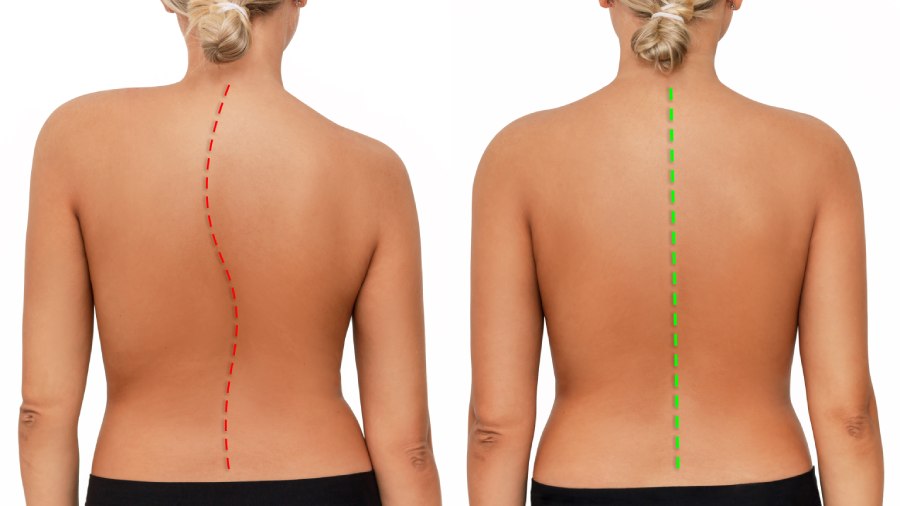
Chiropractic is a health discipline that focuses on the diagnosis and treatment of musculoskeletal system disorders, especially in the spine. On the other hand, scoliosis is a condition in which the spine curves laterally in an “S” or “C” shape. In this article, we will explore the relationship between chiropractic and scoliosis, as well as the benefits of chiropractic treatment for this condition.
The Relationship Between Chiropractic and Scoliosis
Chiropractic offers non-invasive and conservative approaches to the treatment of scoliosis. While chiropractic cannot completely correct the curvature of the spine in advanced cases of scoliosis, it can help alleviate symptoms, improve posture, and prevent the condition from worsening.
Chiropractic Treatment for Scoliosis
Chiropractic treatment for scoliosis focuses on addressing the alignment and function of the spine. Chiropractors use various techniques and approaches to help reduce the curvature of the spine and improve the quality of life for patients with scoliosis. Some of the most common treatment options include:
- Spinal chiropractic adjustments: Chiropractic adjustments are manual manipulations applied to the joints of the spine. These adjustments can help improve spinal mobility and reduce tension in the surrounding muscles and tissues.
- Rehabilitation and muscle strengthening techniques: Chiropractors may recommend specific strengthening and stretching exercises to help improve muscle function and spinal stability. These exercises can strengthen weak muscles and stretch tight muscles, contributing to better posture and spinal alignment.
- Traction therapy: Traction therapy is a therapeutic approach used to gently stretch the spine and reduce curvature in scoliosis. This technique can help relieve pressure on the intervertebral discs and promote proper spinal alignment.
- Use of orthopedic devices: In some cases, chiropractors may recommend the use of orthopedic devices, such as braces or splints, to provide additional support to the spine and help correct the curvature in scoliosis. These devices can be especially beneficial in young patients whose spines are still developing.
Benefits of Chiropractic in the Treatment of Scoliosis
Chiropractic offers a number of benefits for patients with scoliosis. Some of the most notable benefits include:
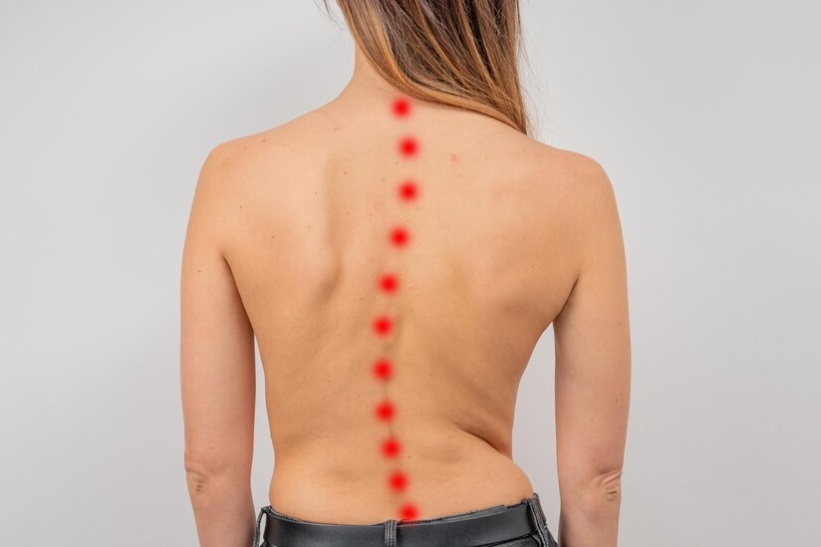
- Pain and discomfort relief: Chiropractic treatment can help reduce pain and discomfort associated with scoliosis. Chiropractic adjustments and physical therapy techniques can relieve pressure on the nerves and surrounding tissues, which may result in decreased pain.
- Improvement of posture and spinal alignment: Chiropractors focus on correcting spinal alignment. Through chiropractic adjustments and muscle strengthening techniques, posture can be improved and better spinal alignment achieved, which in turn can reduce curvature in scoliosis.
- Prevention of worsening curvature: Chiropractic can help prevent the worsening of curvature in scoliosis, especially in young patients. By addressing spinal alignment and function early on, chiropractors can help stop or slow the progression of curvature.
- Improvement of quality of life: By reducing pain and improving spinal function, chiropractic can significantly enhance the quality of life for patients with scoliosis. This allows them to perform daily activities more comfortably and enjoy better overall health.
- Non-invasive and conservative approach: Chiropractic is a non-invasive and conservative therapeutic approach to the treatment of scoliosis. Unlike other more invasive options, such as surgery, chiropractic seeks to correct imbalances and improve body function naturally, without resorting to surgical interventions.
Chiropractic can be an effective and safe option for the treatment of scoliosis. However, it is important to keep in mind that each case of scoliosis is unique, and the chiropractic treatment approach may vary according to the individual needs of the patient. It is essential to consult a qualified chiropractor specialized in the treatment of scoliosis to receive a comprehensive evaluation and a personalized treatment plan.
Remember that chiropractic can be an integral part of a multidisciplinary approach to the treatment of scoliosis, and it is important to work collaboratively with other health professionals, such as physical therapists and specialist physicians, to achieve the best results.
Improving the health of your spine and alleviating the symptoms of scoliosis is possible with the help of chiropractic!
Where do your problems come from?
Find the natural path to your goals.
The Importance of Early Detection and Comprehensive Treatment
Early detection and comprehensive treatment are fundamental in the management of scoliosis. Identifying and addressing scoliosis in its early stages can have a significant impact on the health and well-being of patients. Below, we will explore the importance of early detection and the implementation of a comprehensive treatment approach.
A. Diagnosis of Scoliosis
- Physical examination and spinal assessment: Physicians and chiropractors will conduct a detailed physical examination, which will include an assessment of the spine. Signs such as shoulder asymmetry, prominent scapulae, or abnormal curvature of the spine will be looked for.
- X-rays and imaging tests: To confirm the diagnosis of scoliosis and assess the severity of the curvature, X-rays and additional imaging tests, such as MRIs or CT scans, may be requested.
B. Multidisciplinary Approach to Scoliosis Treatment
- Teamwork between chiropractors and other health professionals: For comprehensive and effective treatment, it is crucial for chiropractors to collaborate with other health professionals, such as physical therapists, physicians, and orthopedists. This multidisciplinary approach ensures a complete and personalized approach for each patient.
- Complementary therapies, such as physical therapy and specialized exercises: In addition to chiropractic, complementary therapies play an important role in the treatment of scoliosis. Physical therapy can help strengthen the muscles around the spine and improve stability. Specialized exercises, such as deep trunk muscle training, can contribute to improving posture and spinal alignment.
- Use of orthopedic devices: In some cases, orthopedic devices, such as braces or splints, may be recommended to help correct curvature and maintain the spine in a more aligned position. These devices are especially used in growing patients and can complement chiropractic treatment.
Early detection of scoliosis is crucial to implementing effective treatment. The sooner the condition is identified, the greater the chances of controlling its progression and minimizing associated symptoms.
It is important to highlight that each case of scoliosis is unique, and the treatment approach may vary depending on the severity of the curvature and the individual needs of the patient. Therefore, it is essential to have the supervision of health professionals specialized in the treatment of scoliosis to develop a comprehensive and personalized treatment plan.
Tips for Chiropractic Care in Scoliosis
Chiropractic care can be an integral part of managing scoliosis. Here are some helpful tips for those seeking chiropractic care for this condition:
- Find a chiropractor specialized in scoliosis: It is important to seek a chiropractor who has experience and knowledge in treating scoliosis. Ask about their training and certifications related to this condition.
- Communicate your needs and concerns: Before starting chiropractic treatment, be sure to communicate your needs and concerns to the chiropractor. Discuss your symptoms, medical history, and any concerns you may have.
- Follow the recommended treatment plan: The chiropractor will develop a personalized treatment plan for you based on the severity of your curvature and your individual needs. Follow the recommended treatment plan, which may include chiropractic adjustments, physical therapy, and specialized exercises.
- Maintain good posture: Proper posture is essential for managing scoliosis. Follow the chiropractor’s recommendations on how to maintain correct posture in your daily life, both when standing and sitting.
- Perform therapeutic exercises: The chiropractor may recommend specific therapeutic exercises to strengthen the muscles around the spine and improve stability. Perform these exercises regularly, following the chiropractor’s instructions.
- Follow self-care recommendations: In addition to chiropractic treatment, it is important to follow self-care recommendations. This may include maintaining a healthy weight, eating a balanced diet, engaging in appropriate physical activities, and avoiding poor postural habits.
- Schedule regular follow-up visits: Scoliosis requires long-term monitoring. Schedule regular follow-up visits with your chiropractor to assess the progress of your treatment and make adjustments if necessary.
Remember that each person is unique and may respond differently to chiropractic care. Always consult with a health professional before making any changes to your treatment plan.
Patient Experiences with Scoliosis
The experiences of patients who have received chiropractic care for scoliosis can provide valuable insight into the benefits and outcomes of treatment. Here are some experiences shared by patients:
Maria, 34 years old: “Since I started my chiropractic treatment for scoliosis, I have experienced a remarkable improvement in my posture and a reduction in pain. The chiropractic adjustments have helped align my spine and provided me with significant relief. Additionally, the chiropractor has taught me specific exercises that I have incorporated into my daily routine, which has strengthened my muscles and helped maintain my spine in a more appropriate position. I am very happy with the results and feel more confident and comfortable in my daily life.”
Pedro, 16 years old: “When I was diagnosed with scoliosis, I was worried and didn’t know what to expect. However, my experience with chiropractic care has been very positive. The chiropractor has been very patient and explained the entire treatment process to me. The chiropractic adjustments have not been painful, and I have felt an improvement in my posture and a reduction in the pains I used to experience. He has also given me recommendations on how to maintain good posture and do exercises that have helped me a lot. I feel like I am in good hands and that I am doing something active to manage my scoliosis.”
Ana, 42 years old: “I have been receiving chiropractic care for my scoliosis for several months and I am very satisfied with the results. The chiropractor has been very thorough in evaluating my spine and has developed a personalized treatment plan for me. The chiropractic adjustments have been gentle and I have felt immediate relief from my discomfort. Additionally, he has taught me exercises and stretching techniques that I can do at home to keep my spine in good condition. I feel stronger and more aware of my posture, and I am grateful for the support and attention I have received.”
These are just a few of the experiences shared by patients who have received chiropractic care for scoliosis. It is important to note that results may vary depending on each person and the severity of the curvature. It is essential to seek a specialized chiropractor and consistently follow treatment recommendations to achieve the best results.
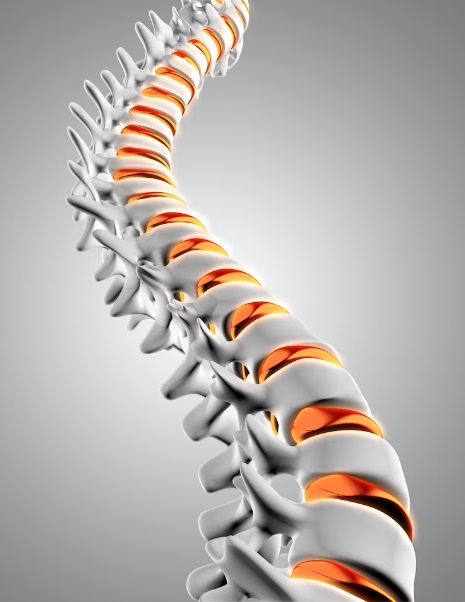
Chiropractic treatment plays an important role in the management of scoliosis by addressing spinal alignment and improving body function. With benefits such as pain relief, improved posture, and prevention of worsening curvature, chiropractic offers a safe and non-invasive therapeutic option.
However, it is essential to recognize the importance of early detection of scoliosis and the implementation of a comprehensive approach that involves different health professionals. Chiropractic treatment should be complemented with physical therapy, specialized exercises, and, in some cases, the use of orthopedic devices.
Remember that each case of scoliosis is unique, so it is crucial to seek care from a chiropractor specialized in the treatment of scoliosis. By working together and maintaining a continuous commitment, it is possible to control the progression of curvature and improve the quality of life for patients.