5 Healthy Lifestyle Changes by Chiropractor Mataró
At the Chiropractic Center Marc Bony in Mataró, we show you how simple changes can improve your natural health and reduce cholesterol.
The 5 Lifestyle Changes
High cholesterol increases the risk of heart disease and heart attacks. You can reduce cholesterol with medication, but if you prefer to do it naturally, you can try these 5 healthy lifestyle changes.
Dietary changes can help you reduce cholesterol. If you are already taking medication, these changes can also enhance the cholesterol-lowering effect.
1. Lose weight
Being overweight, even by a few pounds, contributes to high cholesterol levels. Losing around 2 to 5 pounds can help you lower cholesterol levels. After 2 months of starting regular aerobic exercise, you can increase HDL cholesterol by 5% in healthy sedentary adults. Engaging in moderate-intensity exercise for 30 minutes 5 times a week can boost HDL cholesterol.
Aerobic exercise: walking, running, biking, swimming, playing basketball, raking leaves – anything that raises your heart rate. You can also break your daily activity into 3 segments of 10 minutes if you have trouble finding time to exercise. Be honest with your eating habits and your daily routine. Consider your challenges when it comes to losing weight – and look for ways to overcome them. If you eat when you are bored or frustrated, take a walk instead. Every day, prepare something healthier at home. If you are sitting in front of the TV, try eating carrots instead of chips or snacks. And, look for ways to incorporate more activity into your daily routine, such as using the stairs instead of the elevator. Balance your habits.
2. Eat heart-healthy foods
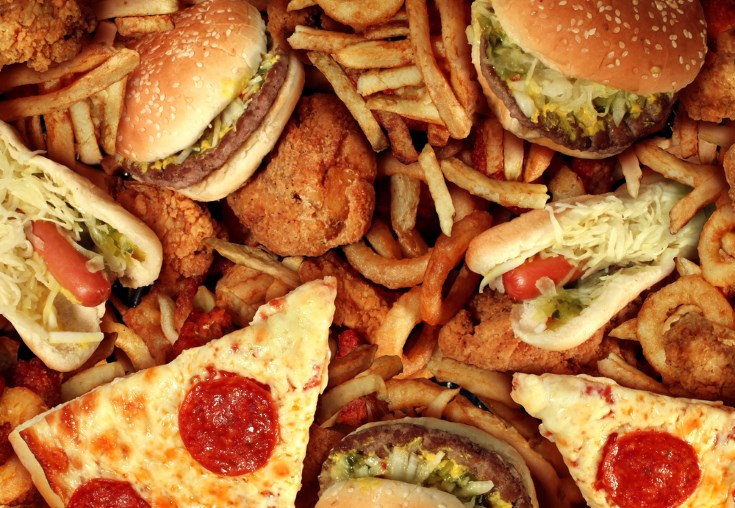
Even if you have had years of poor eating habits, a few changes in your diet can reduce cholesterol and improve your heart health. Choose healthier fats. Saturated fats, found in red meat and dairy products, raise your total cholesterol and low-density lipoprotein (LDL), the “bad” cholesterol. As a rule of thumb, you should consume no more than 10% of your daily calories from saturated fat. Instead, choose lean cuts of meat, low-fat dairy, and monounsaturated fats, which are found in raw olive oil and coconut oil for frying. Eliminate fried foods and many commercially baked products, such as cookies, crackers, and pastries. Read the ingredient list. You can tell if a food contains trans fats if it has partially hydrogenated oil. Try not to eat more than 300 milligrams (mg) of cholesterol per day – less than 200 mg if you have heart disease. The most concentrated sources of cholesterol are organ meats, egg yolks, and whole milk products. Use lean cuts of meat or egg substitutes, and skim milk instead. Choose whole grains. Several nutrients found in whole grains promote heart health. Choose whole grain breads, whole wheat pasta, whole wheat flour, and brown rice. Stock up on fruits and vegetables. Fruits and vegetables are rich in dietary fiber, which can help lower cholesterol. Eat seasonal fruits. Experiment with vegetable-based stews, soups, and stir-fries. If you prefer nuts to fresh fruit, limit yourself to no more than a handful. Nuts tend to have more calories than fresh fruit.
3. Exercise almost every day of the week
Whether you are overweight or not, exercise can reduce cholesterol. Even better, moderate physical activity can help raise high-density lipoprotein (HDL), the “good” cholesterol. With your doctor’s approval, aim for 30 to 60 minutes of exercise each day. Remember that adding physical activity, even in 10-minute intervals several times a day, can help you start losing weight. Just make sure you can stick with the changes you decide to make. Consider the following: • Take a brisk walk during your lunch hour • Bike to work • Swim • Play a favorite sport To stay motivated, find an exercise buddy or join an exercise group. And remember, any activity is helpful. Even taking the stairs instead of the elevator or doing a few sit-ups while watching TV can make a difference.
4. Quit smoking
If you smoke, quit. Quitting smoking can improve your HDL cholesterol levels. And the benefits don’t stop there. Just 20 minutes after quitting, blood pressure decreases. And within the next 24 hours, the risk of a heart attack decreases. After one year, the risk of heart disease is cut in half compared to that of a smoker. And after 15 years, your risk of heart disease is similar to that of someone who has never smoked.
5. Drink alcohol in moderation
Moderate alcohol consumption has been linked to higher levels of HDL cholesterol. If you choose to drink, do so in moderation. This means no more than one drink a day for women, and no more than two a day for men. Drinking too much alcohol can lead to serious problems like heart failure and stroke. But the health benefits, including high blood pressure, heart failure, and stroke, can be significant. Sometimes healthy lifestyle changes are not enough to lower cholesterol levels. Make sure that the changes you decide to make are ones you can stick with, and don’t be discouraged if you don’t see results immediately.