Do you suffer from constant neck pain? Our chiropractor in Mataró is here to help…
Vitamin K and Its Impact on Varicose Veins and Health
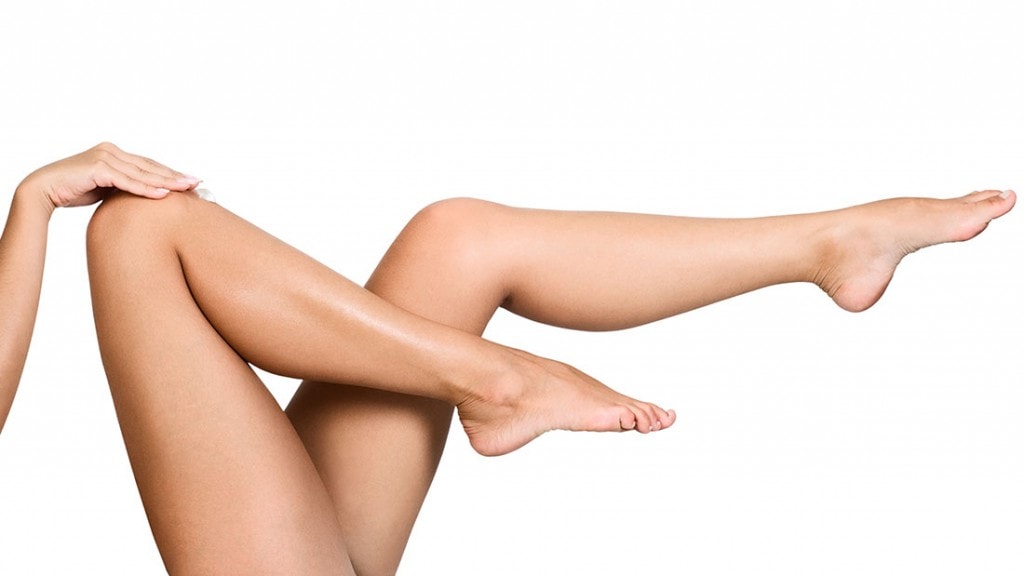
Vitamin K is crucial not only for blood clotting but also for preventing and treating varicose veins naturally. Discover how to improve your vascular health with this essential vitamin.
Vitamin K varicose veins
Varicose veins and spider veins are mainly an aesthetic and medical problem, depending on their state, for most women and a few men. Vitamin K – The Vitamin We Know Little About. Vitamin K is the fat-soluble vitamin best known for its important role in blood clotting. However, vitamin K is also completely essential for the creation of strong bones, as it serves as the biological “glue” that allows calcium to adhere to the bone base. Vitamin K is also vital in preventing heart diseases, as it helps prevent the hardening of the arteries, a common risk in coronary artery disease and heart failure. Vitamin K is a fat-soluble vitamin. This is important as it means dietary fat is necessary for the absorption of this vitamin. Other beneficial effects of vitamin K are:
- Helps fight Alzheimer’s
- Topical vitamin K can help reduce bruising
- Vitamin K deficiency can interfere with the release of insulin and blood sugar regulation similarly to diabetes
- May have antioxidant properties
- Is beneficial in cancer treatment, including lung and liver cancer.

Prevention of varicose veins or spider veins
It is much more difficult to get rid of them once they have developed. Remember also that getting rid of them may take some time. It may take several months, possibly a year or more, and when not developed, in a matter of a few days or weeks. The risk factors for developing varicose veins are:
- Age
- Obesity and/or multiple pregnancies
- Lack of physical activity
- Occupations that require standing
- Genetic predisposition and connective tissue abnormalities
Prevention is the best factor to avoid them. Crossing your legs contributes to the development of varicose veins. Other factors include lack of exercise like walking, and constipation. There are two basic forms of vitamin K:
- K1 (phylloquinone, also known as phytonadione)
- K2 (menaquinone)
Vitamin K2 is synthesized by intestinal bacteria and is absorbed in the distal small intestine. Note that the consumption of antibiotics hinders the absorption of vitamin K2. Vitamin K1 is generally found in dark leafy green vegetables. The following list includes some sources of vitamin K in vegetables that would be advisable to include in your diet. Your diet is a fundamental source of preventive “medicine”:
| Foods | Vitamin K* | Foods | Vitamin K* |
| Wild cabbage | 440 | Cabbage | 145 |
| Spinach | 380 | Olive oil | 55 |
| Salad leaves | 315 | Asparagus | 60 |
| Kale | 270 | Okra/Angú | 40 |
| Broccoli | 180 | Green beans | 33 |
| Brussels sprouts | 177 | Lentils | 22 |
The following conditions can put you at greater risk of vitamin K deficiency:
- Having a poor or restricted diet
- Crohn’s disease, ulcerative colitis, celiac disease, and other conditions that interfere with nutrient absorption.
- Liver disease that interferes with vitamin K storage.
- Taking medications like broad-spectrum antibiotics, cholesterol medications and aspirin.
If you have suffered a stroke, heart attack, or are prone to clots, do not take vitamin K without consulting your doctor. www.quiropractica1.com
Related Posts