Explore how the healing foods diet can be key to naturally improving your health. Learn…
How to make Kombucha tea?
Antioxidant
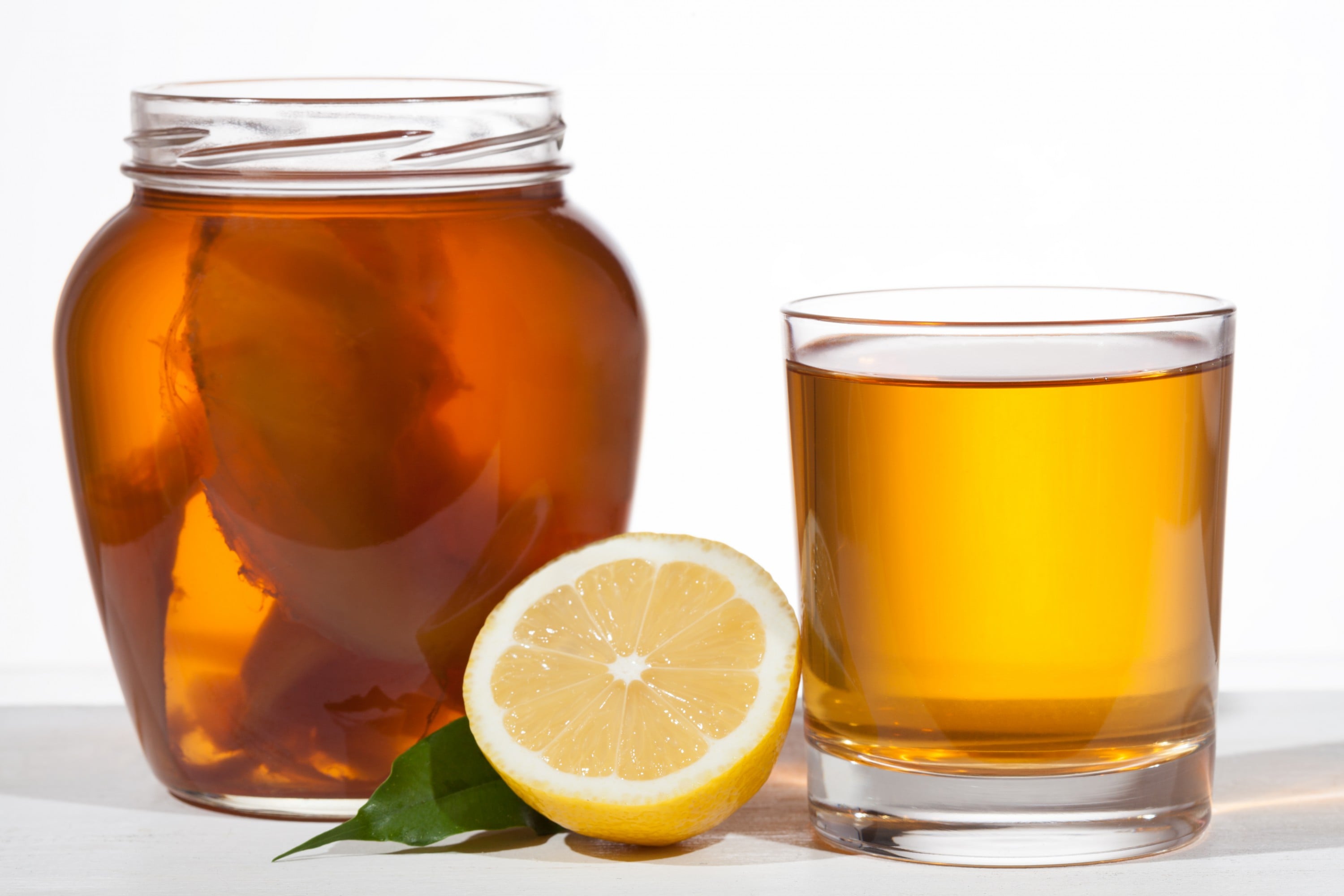
The kombucha tea is an ancient type of remedy passed down from generation 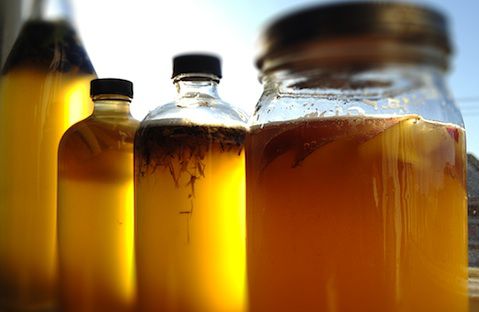 to generation. It is a living tea, full of beneficial probiotics, enzymes, and amino acids that aid digestion and your immune system. Kombucha tea is made from green or black tea, so it contains many antioxidants and polyphenols.
For example, in the tea you can find vitamins C, E, and beta-carotenes. Since the tea is fermented, its vitamins C and E are enhanced much more than in regular tea. This extraordinary antioxidant power makes kombucha tea a reservoir of goodness when you are feeling down from a cold or flu; the antioxidant levels suppress all free radicals and the bacteria or viruses that were ready to take you down!
Benefits
These antioxidants are also quite important for blood vessels that are damaged by free radicals. Therefore, be patient with arterial hardening and even high cholesterol levels because improvement can be seen.
In fact, in some studies conducted with animals, the results show a decrease in cholesterol of up to 52%, a decrease in triglycerides and LDL cholesterol, and an increase in HDL cholesterol. An unexpected benefit of drinking kombucha tea is that it can improve iron levels in the body.
It’s not that the tea contains a high amount of iron, but rather that the organic acids found in the kombucha fungus allow iron to be absorbed by the body. And if you suffer from pain and happen to take acetaminophen daily, you probably know that acetaminophen can cause liver toxicity.
Kombucha tea protects your liver from being damaged through the kombucha fungus. The kombucha tea also contains glucuronic acid, an important precursor compound for glucosamine and chondroitin sulfate, the two essential substances needed to keep your joints lubricated and functioning properly. Therefore, kombucha tea can be especially useful for those with arthritis of any kind.
Medical studies have also found that kombucha tea is fantastic for blood sugar regulation. Studies conducted with rats have shown a significant improvement in blood sugar levels in diabetic rats. Therefore, kombucha can help you regulate your blood sugar levels.
And if you suffer from asthma, you’ll be happy to know that instead of drinking a cup of coffee during your next asthma attack to open your bronchi, a cup of kombucha tea can help you. The active ingredient in coffee is theophylline, and kombucha tea contains about 50% more theophylline than coffee. Surprised? With all these benefits, you need to know how to make this tea and start right now.
How to make Kombucha tea?
Here is a recipe for fruity kombucha tea that you will probably love:
Fruity Kombucha Tea Ingredients:
3 liters of osmotic or purified water (3 liters of water, 6 bags of black tea), 70g of sugar)
1 large glass container for 3 liters
Instructions:
1- Prepare the black tea with the 3 liters of distilled or osmotic water; once the water boils, remove from heat and add the 6 tea bags (steep for 10-15 minutes).
2- Add the sugar to the tea and stir. This will dissolve the sugar. This will take less than a minute.
3- Let the black tea mixture rest until it reaches room temperature.
4- Pour the black tea into the large glass container.
5- Place the kombucha fungus on top of the tea, including the liquid that comes with the fungus. (7-10 days)
6- Cover the large glass container with a cheesecloth or thick cotton fabric and secure it with a wide rubber band around it so that the fabric does not move.
7- Take the large glass container to a dark room and leave it there for 7-10 days.
8- After 7 days, go to the dark room, remove the cloth and the fungus, leaving it in another glass container. Taste the tea. If it tastes good, the tea is ready.
9- Pour some black tea over the fungus in the other container and cover it. Keep it refrigerated. If you see a new fungus growing on top of the mother fungus, this is a baby fungus. This new fungus can be used in your next tea. Each baby fungus is potentially a mother fungus. To buy the first Kombucha, you can go here Source: http://www.greenmedinfo.com/blog/18-healthy-reasons-sip-kombucha
Related Posts