Explore how the healing foods diet can be key to naturally improving your health. Learn…
HDL Cholesterol, By the Mayo Clinic
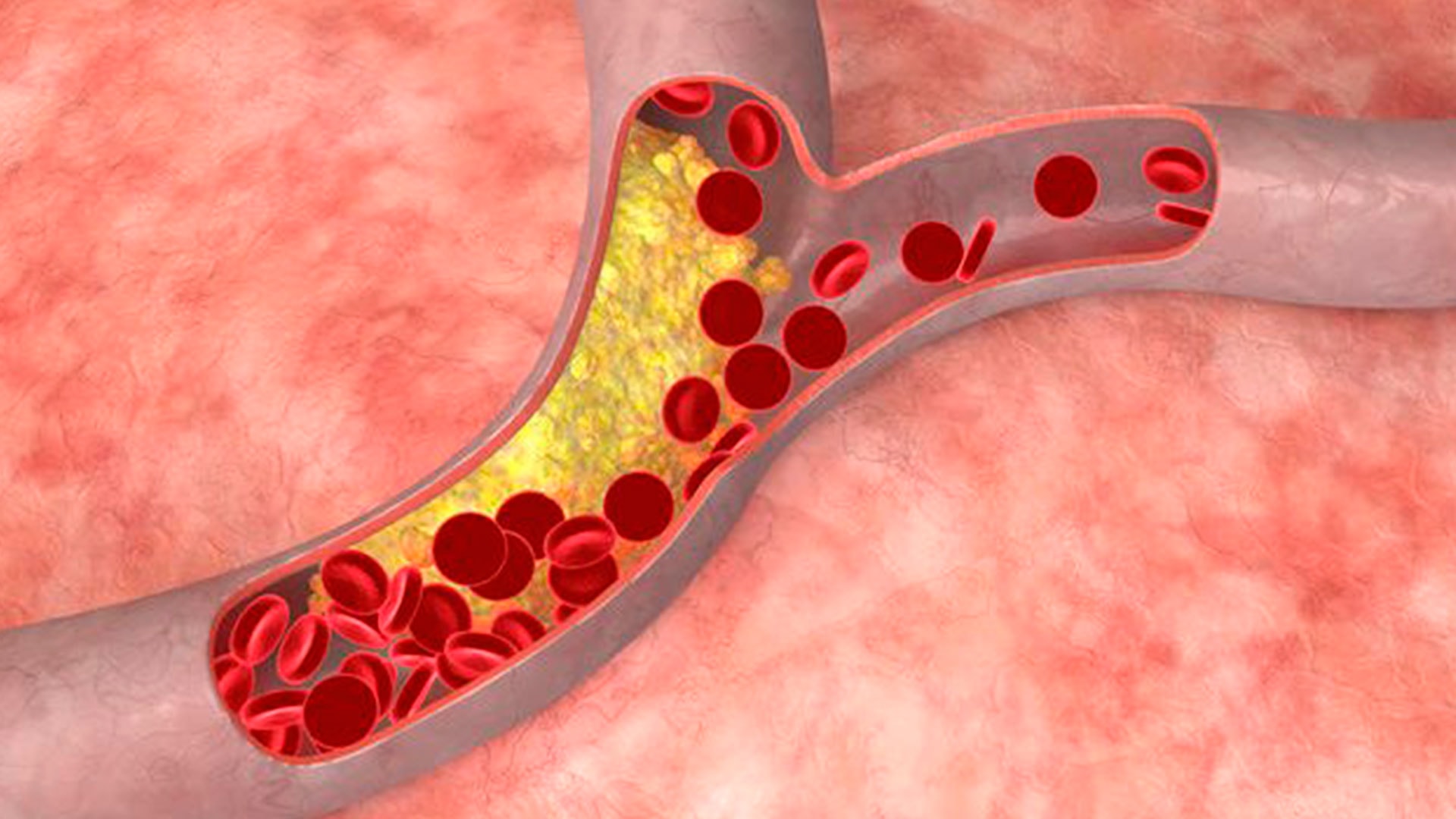
HDL Cholesterol
Your cholesterol levels are an important indicator of heart health.
HDL cholesterol, also known as “good” cholesterol, the higher the better. Although your doctor may have told you to lower your total cholesterol, it is important to increase your high-density lipoprotein while reducing low-density lipoprotein (LDL) or “bad” cholesterol.
Understanding HDL Cholesterol
Cholesterol is a waxy substance found in all your cells and has several useful functions, such as helping to build the body’s cells. It is transported through the bloodstream bound to proteins. These proteins are called lipoproteins. Low-density lipoproteins are the lipoproteins that carry cholesterol throughout the body and deliver it to various organs and tissues. But if your body has more cholesterol than it needs, the excess continues to circulate in your blood. Over time, the circulating LDL cholesterol can embed itself in the walls of blood vessels and begin to grow beneath the lining of the vessels. Deposits of LDL cholesterol particles within the walls of the vessels are called plaques, and they start to narrow your blood vessels. Eventually, the plaques can constrict the vessels to the point of blocking blood flow, causing coronary artery disease.
This is why LDL cholesterol is known as “bad” cholesterol. High-density lipoproteins pick up excess cholesterol in the blood and carry it back to your liver, where it is broken down. The higher your HDL level, the less “bad” cholesterol you will have in your blood. Simply lowering your LDL cholesterol may not be enough if you are a person at high risk for heart disease. Increasing HDL cholesterol can also reduce the risk of heart disease.

If your HDL cholesterol level falls between the risk and desirable levels, you should continue trying to increase it to reduce the risk of heart disease. If you do not know what your HDL cholesterol level is, ask your doctor for a baseline cholesterol test. If your HDL cholesterol value is not within the desired limits, you can apply these lifestyle changes to increase HDL cholesterol. Your lifestyle has the greatest impact on HDL cholesterol. Even small changes in your daily habits can help you meet your HDL cholesterol goal.
Related Posts