Explore how the healing foods diet can be key to naturally improving your health. Learn…
What is Xylitol?
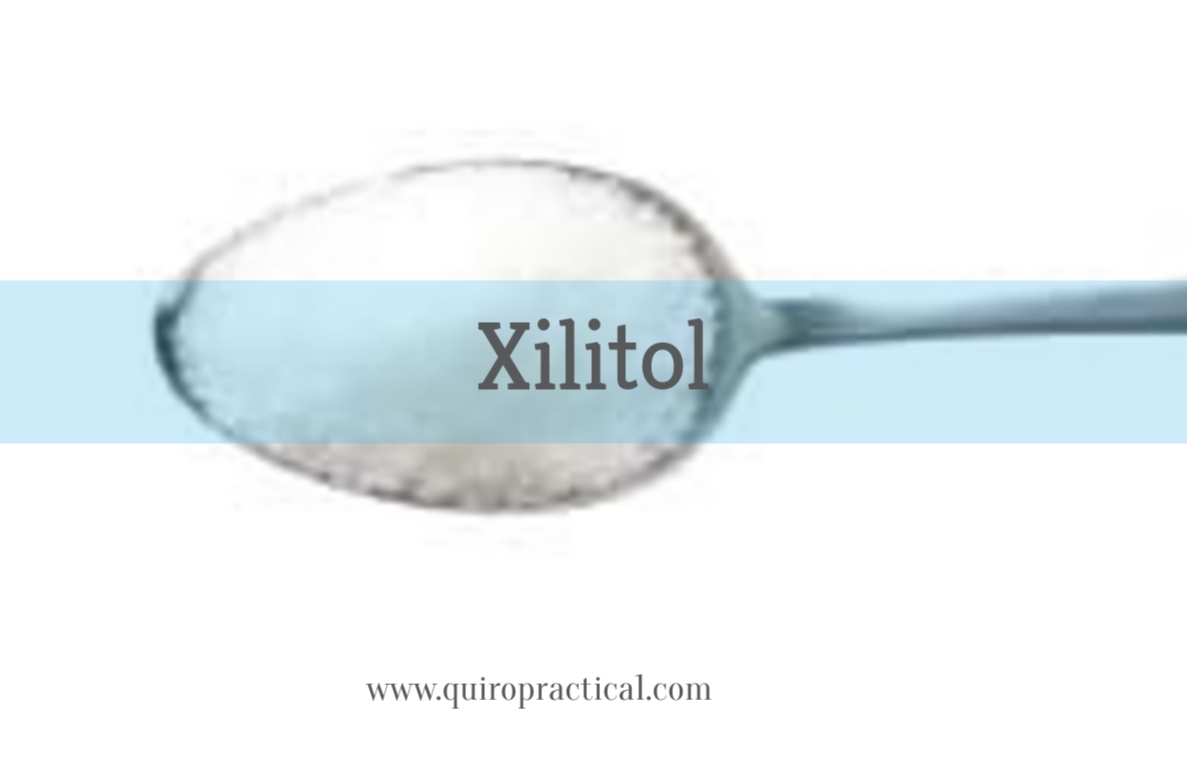
In the broad field of sugar substitutes, xylitol is one of the “new sugars” available on the market. But be careful! Once you learn the details, it will become quite obvious that it may not be the sugar your body needs.
Xylitol is now widely used in baked goods, chewing gum, and beverages – and sugar may not be the knight in shining armor that advertisers make it out to be.
Xylitol starts quite innocently, as this sugar alcohol is found naturally in some foods such as oats, berries, mushrooms, and even some herbs like birch. So, the advertising terminology that claims xylitol is natural is technically true.
Xylitol Reduces Cavities
There are approximately 3100 studies about xylitol in PubMed, the world’s medical database where scientific doctors share their work with others. Many of these studies focus on xylitol used in toothpaste.
For example, a research study conducted at an elementary school in Tennessee with 200 children was chosen to see if using a xylitol toothpaste made with 49% xylitol was effective when used for 30 days. The children were also taught how to brush their teeth.
The researchers reported that the reduction in plaque was radical, although they did not report how radical it was.
The idea behind using xylitol is that the sugar alcohol affects the bacteria in the mouth. Some of these bacteria, such as Neisseria, Rothiamucilaginosa, Streptococcus mitis, and Prevotellahisticola, produce acetaldehyde, which can cause cancer – as well as other bacteria that cause plaque, like Streptococcus mutans. Xylitol inhibits the acetaldehyde produced by the worse-producing bacteria, Neisseria, by about 90%.
This may be a good thing about xylitol, but we need to investigate the topic thoroughly if you want to be able to make a good decision about whether or not to use it in your diet.
Xylitol is a Fermentable Sugar in the Gastrointestinal Tract
Xylitol is a sugar alcohol that ferments in the digestive tract. And this, by itself, is one of the reasons why sugar can cause stomach discomfort and other digestive symptoms in those suffering from irritable bowel syndrome and Crohn’s disease, as well as celiac disease.
Many new studies support the idea that any fermentable sugar can cause potential problems in the digestive system. And since it is not truly natural to extract a sugar alcohol from a food and increase its consumption in the diet, what happens in the intestinal tract next is quite predictable. You may experience nausea, abdominal pain, gas, bloating, diarrhea, and constipation.
For those suffering from digestive disorders who do not respond to anything they have tried, reducing the intake of foods with higher sugar alcohols like xylitol is something you should do. The diet is called the FODMAP diet; FODMAP stands for fermentable oligosaccharides, disaccharides, monosaccharides, and polyols. It is a diet that restricts foods high in those sugars that cause abdominal symptoms – and often a remarkable health transformation occurs in people with digestive disorders. You can read about this here: http://shepherdworks.com.au/disease-information/low-fodmap-diet
Be Smart About What You Ingest into Your Body
Maybe you do not have any digestive disorders now and are reasonably healthy. Still, this does not mean that xylitol is for you. You should know that in the process of xylitol, the sugar is produced through a bacterial process, chemicals are used, and high temperatures are also required.
In the history of nutrition, we have seen time and again that any food potentially subjected to high temperatures during the process causes the production of advanced glycation end products, molecular fragments that are linked to all degenerative diseases. Any food that has been treated with chemicals has had its “life” “extracted” and leaves a devitalized substance that should not be called food.
Is xylitol the sugar you want in your diet? Only you can decide.
Sources
Hopper, B.L. and Garcia-Godby, F. Plaque reduction in school children using a disposable brush pre-pasted with xylitol toothpaste. J Tenn Dent Assoc 2014 Fall-Winter; 94(2): 25-8; quiz 29-30.
Moritani, K., et al. Acetaldehyde production by major oral microbes. Oral Dis 2015 Mar 21. Epub ahead of print.
Goebel-Sengel, M. and Monnikes, H. Malabsorption of fermentable oligo, di- or monosaccharides and polyols (FODMAP) as a common cause of unclear abdominal discomfort. Dtsch Med Wochenschr 2014 Jun; 139(24): 1310-4.
Related Posts