Explore how the healing foods diet can be key to naturally improving your health. Learn…
Top 6 iron-rich foods
Iron is an essential mineral for the proper oxygenation of tissues, as it is part of the heme group that makes up hemoglobin. Therefore, let’s imagine how fundamental this mineral is in everyone’s life, especially among athletes, who require more oxygen for physical exertion.
There are two types of iron: the one found in plant-based foods called non-Hem iron, which is absorbed to a lesser extent (between 5 and 20%) than the animal-based iron called Hem iron, which is absorbed up to 35%. Below we show you the 6 foods that contain the most iron, regardless of the source of the food and its absorption in the body.
1. Clams: to our surprise, clams contain about 24mg of iron per 100 grams, which represents more than we need daily (8mg for adult men and 18mg for women of childbearing age). The issue with these foods is that they are rarely consumed in our regular diet and, in addition, they have a high cost/quantity ratio.
2. Whole grains: the cereals available in the market today are very rich in iron due to their fortification and maintenance in the grain’s husk, with a content ranging from 7 to 12 mg per 100 grams of product. However, we must not forget that fiber and their plant origin significantly reduce absorption, so to optimize their assimilation in the body, I recommend consuming cereals with freshly squeezed orange juice or a bit of lemon rich in vitamin C. Not the best source since we generally do not like cereals.
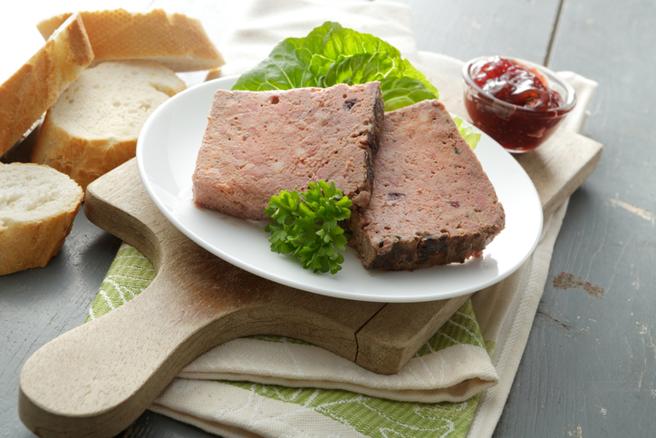
3. Organ meats: beef liver, as well as blood sausage made from red blood, are excellent dietary sources of Hem iron, which is easily absorbed, as they contain about 8mg and 14mg per 100 grams, respectively. As you can see, these foods contain a lot of iron due to the animal blood that contains hemoglobin, which provides readily absorbable iron.
4. Legumes: soybeans and lentils are the legumes with the highest content of non-Hem iron, as they have 7 and 8 mg per 100 grams, respectively. Their absorption is lower than that of iron found in meats, but their low cost and advantageous nutrients offer us an ideal food to prevent anemia and other nutritional deficiencies.
5. Green vegetables: spinach and Swiss chard contain between 3 and 4 mg of low-absorption iron, but as with legumes, they are low-cost foods whose composition can greatly benefit the body. Additionally, when combined with citrus fruits rich in vitamin C or a bit of meat, their absorption increases so that the body can utilize more of their iron.
6. Meats: beef, chicken, fish, turkey, pork, and others all contain iron in amounts around 2 mg per 100 grams approximately. It is easily absorbed iron and, except for vegetarians, everyone usually includes it in their diet.
By maintaining a varied diet, we should never lack iron in our diet, so the only thing we need to pay attention to is our bodily requirements, which may increase in special situations, such as extraordinary demands for oxygen, blood loss, or others.
Therefore, let us not forget that this mineral is essential for our body, and to maintain it at adequate levels, we must include various foods that facilitate its availability and absorption in the body.
Marc Bony, DC
sources naturalnews.com
Related Posts