Explore how the healing foods diet can be key to naturally improving your health. Learn…
The 10 Best Calcium Foods
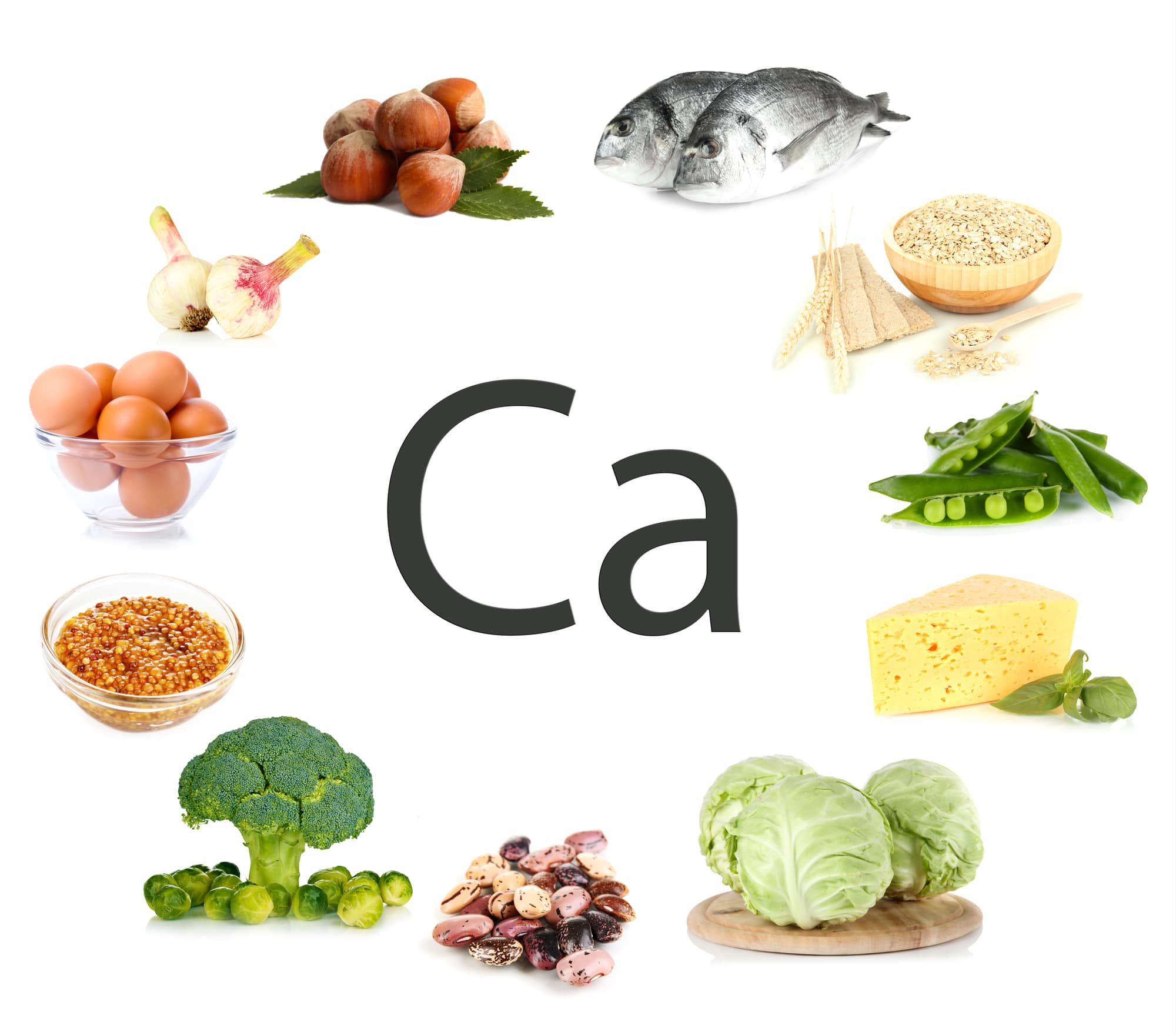
The 10 Best Calcium-Rich Foods
The best time for your bones to grow is when you are young – and calcium is one of the best “friends” waiting to help you do so.
What Else Does Calcium Do in the Body?
Calcium has other functions in the body. Muscles and nerves use this mineral for muscle contraction and nerve transmission. Blood vessels use it to dilate and contract as needed in regulating blood pressure. Hormonal secretions also depend on calcium, as does intracellular signaling.
Intracellular signaling is the process by which cells communicate with other cells, allowing thousands of them to know what to do and when. You can think of cells as an orchestra happening within the body, but they need a conductor. Calcium is one of the conductors.
The heartbeat depends on calcium, pH does too, and it activates metabolic enzymes. The entry of nutrients into the cell wall partly depends on the supply of calcium in your body.
Calcium Deficiency is Quite Common
If you follow a diet based on processed foods, it is very likely that you are not getting sufficient calcium. Symptoms of calcium deficiency include:
- Muscle cramps
- Tetany, the sensation that the muscle (like the calf) tightens and does not relax for several minutes
- Numbness and tingling in legs and arms
- Bone deformity in growing children
- Depression
- Irritability
- Insomnia
- Slow pulse
- Blood clotting causing bleeding
- Loss of appetite
Calcium-Rich Foods
Below you will find a list of various natural foods that are rich in calcium, from highest to lowest amount.
- 1 Cup of almonds 332 mg
- 85g of canned sardines in olive oil with bones 325 mg
- 1 Cup of hazelnuts 282 mg
- 1 Cup of Brazil nuts 260 mg
- 1 Cup of cooked cabbage 218 mg
- 84g of canned salmon with bones 181 mg
- 1 Cup of pistachios 174 mg
- 1 Cup of sesame seeds 165 mg
- 1 Cup of parsley 122 mg
- 1 Cup of turnip greens 105 mg
- 1 Cup of peanuts 104 mg
- 1 Cup of walnuts 99 mg
- 1 Cup of macadamia nuts 94 mg
- 1 Cup of collard greens 90 mg
- 1 Cup of sauerkraut 85 mg
- 1 Cup of okra 82 mg
- 1 Cup of breast milk 79 mg
- 1 Cup of yellow beans 63 mg
- 1 Cup of raw spinach 51 mg
- 1 Cup of chestnuts 43 mg
How Much Calcium Do You Need Daily?
To start, 200 mg of calcium is needed for infants and continues up to 1300 mg for pregnant women and breastfeeding women. Interestingly, breast milk is much lower in calcium than cow’s milk – 79 mg per cup versus 290 mg per cup. Infants can easily meet their calcium needs in a day by drinking what they are supposed to drink.
Calcium needs increase from 700 mg per day once the child reaches 1 year, and then vary at 4 years to 1000 mg. By the age of 9 years, the child needs 1300 mg of calcium per day. Once the child reaches adulthood at 19 years, only 1000 mg of calcium per day is needed, while women aged 50 and men aged 70 need 1200 mg per day.
Possible Diet
You can easily get 1000 mg of calcium a day, but you need to plan for it daily. Here you will see an example of a daily menu that shows this is possible:
Breakfast
Smoothie with one cup of collard greens and one cup of parsley 212 mg
Plus ½ cup of cabbage in the smoothie 109 mg
57g of almonds 83 mg
Lunch
Caesar salad with 2 cups of spinach 102 mg
85g of canned salmon with bones 181 mg
Choose Dessert 0 mg
Snack
½ cup of pistachios 87 mg
Dinner
Steak 0 mg
½ cup of sauerkraut 42 mg
1 cup of cabbage 105 mg
Snacking
½ cup of hazelnuts 141 mg
Total calcium for the day: 1062 mg
Try a week of eating calcium-rich foods and let us know how you feel. It can transform your life!
Related Posts