Explore how the healing foods diet can be key to naturally improving your health. Learn…
Probiotics vs Prebiotics
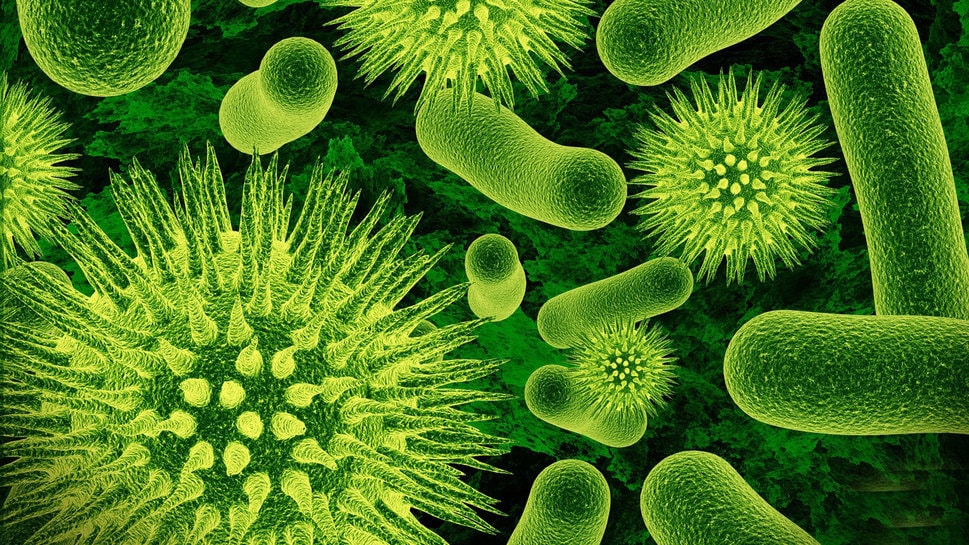
Probiotics Vs Prebiotics,
Nowadays, these are very common topics in nutrition. However, despite seeming similar, they play different roles in your health. Probiotics are beneficial bacteria, while prebiotics are food for these bacteria. This article explains what you need to know about both.
What are Probiotics Vs Prebiotics?
Both prebiotics and probiotics are important for human health. However, they play different roles:
• Probiotics: These are live bacteria found in certain foods or supplements. They can provide numerous health benefits. • Prebiotics: These substances come from types of carbohydrates (mostly fiber) that humans cannot digest. The beneficial bacteria in the gut eat this fiber. The intestinal bacteria, collectively known as gut flora, perform many important functions in the body. Eating both probiotics and prebiotics in balanced amounts can help ensure you have the right balance of these bacteria, which should improve your health.
Conclusion: Probiotics are beneficial bacteria found in certain foods or supplements. Prebiotics are types of fiber that feed the beneficial bacteria of the digestive system.
Why is Gut Flora Beneficial?
The beneficial bacteria in your digestive tract help protect against harmful bacteria, yeasts, and parasites. They also send signals to your immune system and help regulate inflammation.
Additionally, some of your gut bacteria help digest or convert nutrients such as vitamin K, sugars, fiber, amino acids, short-chain fatty acids, and more. Without these beneficial bacteria, your body would be unable to extract some of these nutrients from food.
Gut flora also provides certain nutrients that intestinal cells need to form a strong barrier to prevent the entry of unwanted viruses and bacteria. This helps combat various types of inflammation, including some types of cancer. Conclusion: Gut flora assists in a variety of biological tasks. It also provides important nutrition for the cells lining the digestive tract.
How Does Diet Affect Gut Microbiota?
The food you consume plays an important role in the balance of good and bad gut bacteria. For example, a high sugar content and a high-fat diet negatively influence gut bacteria, allowing harmful bacterial species to overgrow.
Once bad bacteria are regularly fed, they can grow faster and colonize more easily, with few beneficial bacteria to prevent the harmful ones from growing.
Harmful bacteria can also cause you to absorb more calories than people with a healthy balance in their bacterial flora, who tend to be thinner.
Additionally, foods treated with pesticides like Roundup may have negative effects on gut bacteria. However, more research is needed in this area. Studies have also shown that antibiotics can cause permanent changes in certain types of bacteria, especially if taken during childhood and adolescence.
Because the practice of using antibiotics is so widespread, researchers are studying how they may cause health problems in people later in life.
Conclusion: Gut bacteria are affected by the foods you consume. Chemical residues and antibiotics also cause disruptions in gut bacteria.
What Foods Contain Prebiotics? Before heading out to buy expensive prebiotic supplements, remember that many foods naturally contain them.
This is because prebiotics are types of fiber found in vegetables, fruits, and legumes. This type of fiber is indigestible by humans, but your good gut bacteria can digest it. Foods that are high in prebiotic fiber include:
• Legumes, beans, and peas • Oats. • Bananas. • Berries. • Jerusalem artichoke (not related to artichokes) • Asparagus. • Dandelion. • Garlic. • Leeks. • Onions.
One of the things your gut flora does with prebiotic fiber is convert it into a short-chain fatty acid called butyrate.
Butyrate has been extensively studied and has been shown to have anti-inflammatory effects inside the colon.
It can also influence gene expression, block the growth of cancer cells, and help provide fuel to healthy cells so they can grow and divide normally.
Conclusion: Prebiotics are types of fiber that humans cannot digest, but your gut flora can. These types of fiber provide nutrients to the bacteria that support healthy digestion and immune function.
What Foods Contain Probiotics?
There are also many foods that naturally contain probiotics with useful bacteria, such as yogurt. A high-quality natural yogurt with live cultures can be a fantastic addition to your diet if you want to add beneficial bacteria.
Fermented foods are another great option, as they contain beneficial bacteria that thrive on the naturally occurring sugars or fiber in the food.
Examples of fermented foods: • Sauerkraut. • Kimchi. • Kombucha tea. • Kefir (dairy or non-dairy). • Some types of pickles (unpasteurized). • Other vegetables (pickled) in vinegar (unpasteurized).
If you are going to eat fermented foods for their probiotic benefits, make sure they are not pasteurized, as this process kills beneficial bacteria.
Some of these foods can also be considered symbiotic, as they contain both beneficial bacteria and a source of prebiotic fiber for the bacteria to feed on. Examples of symbiotic foods include cabbage in sauerkraut and yogurt with honey.
Conclusion: Probiotic foods contain useful bacteria naturally. Many of these foods can be made at home or purchased at a health food store.
What About Probiotics in Supplements?
Probiotics in supplements are pills, capsules, or liquids that contain live beneficial bacteria. They are very popular and easy to find; however, not all of them are worth it. Not all contain the same types of bacteria or the same concentrations. Generally, they also do not come with the fiber sources that can feed the beneficial bacteria.
Some probiotics in supplements are designed to transport the bacteria all the way to the large intestine for better effects, while others may not survive the stomach’s acid.
There are people who should not take a probiotic, or who may experience worsening symptoms if they do, such as those with small intestinal bacterial overgrowth (SIBO) or individuals sensitive to the ingredients in supplements. The right strains of probiotics can be incredibly beneficial when used in the right person. But if you don’t know which ones to take, it can be confusing, unless you have been tested to determine what types of bacteria you need; you may not get enough from the supplements. (See the Guide below)
Probiotics in supplements generally only have a few specific types of bacteria. They may or may not be the types of bacteria you need, depending on the symptoms you have.
On the other hand, probiotic foods can have several hundred different types of bacteria that work together to influence the balance of good and bad bacteria.
As with other supplements, it is advisable to consult with a healthcare professional who is well-informed about probiotics.
Conclusion: Probiotics in supplements are designed to provide very specific species of bacteria for the human intestine. However, not all probiotics in supplements are of the same quality or contain the same amount of bacteria.
Share this message with your family. Maintaining your gut flora balanced is important for many aspects of health. To do this, eating plenty of prebiotic and probiotic foods will help promote the most perfect balance between good and bad gut bacteria.
You may also want to try probiotics in supplement form, but first consult with a trained medical professional. I often recommend reading that guide to my patients: [btn text=”GUIDE” tcolor=#FFF thovercolor=#CCC link=”http://yourdoctorwithin.com/guia-para-comprar-probioticos/” target=”_blank”]
[pullquote align=center]
At the end of the day, optimizing your gut flora can have significant health benefits.
[/pullquote] Source:http://authoritynutrition.com/probiotics-and-prebiotics/
You can also read this article
Related Posts