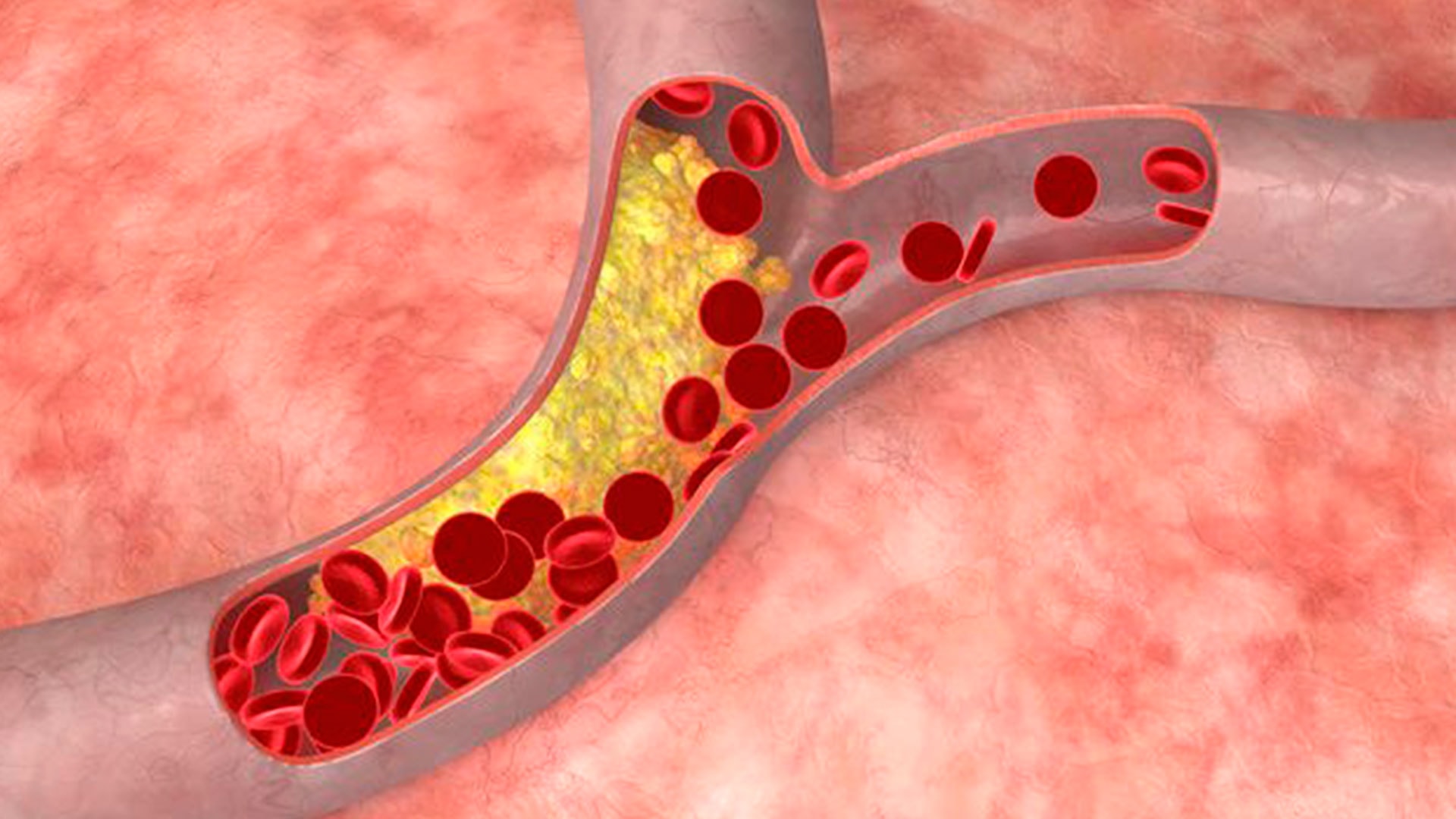

The 5 Lifestyle Changes High cholesterol increases the risk of heart disease and heart attacks…
Look closely at your water to ensure it does not contain FLUORIDE.

Look closely at your water to ensure it does not contain FLUORIDE
Fluoride is the most electronegative and reactive element and forms compounds with practically all other elements, including the noble gases xenon and radon. Its symbol is F. Even in the absence of light and at low temperatures, fluoride reacts explosively with hydrogen.
Diatomic fluoride, F2, under normal conditions is a corrosive gas that is almost white-yellow in color and is a strong oxidizer. Under a stream of gaseous fluoride, glass, metals, water, and other substances burn with a bright flame. It is always found in nature combined and has such an affinity for other elements, especially silicon, that it cannot be stored in glass containers.
Health effects There are some studies on this (not too many), but for proximity, I will include a couple of paragraphs from the joint analysis conducted by the pediatric specialty units of the “Fe” hospitals in Valencia, Virgen de la Arrixaca in Murcia, and the preventive medicine department of Mount Sinai in New York.
In animal studies, pregnant rats were administered 0.13 mg of sodium fluoride/kg i.m. on 9 occasions, spaced from days 14-18 or 17-19 during pregnancy. The offspring exposed to fluoride on days 17-19 of pregnancy showed significant hyperactivity. The fluoride levels in the blood of the treated animals were similar to the levels measured in people who were exposed to fluoridated water.
Another study found that the offspring of rats that were given 5, 15, or 50 ppm of fluoride in drinking water during pregnancy and lactation had significantly elevated levels of acetylcholinesterase at 80 days of age. The acetylcholinesterase levels in the mother were also high. Although not measured in this study, a likely outcome of the elevated acetylcholinesterase activity would be a decrease in acetylcholine levels.
As we have pointed out, the enzyme acetylcholinesterase and the neurotransmitter acetylcholine play an important role in brain development. Changes in the concentrations of any neurotransmitter during development can have permanent neurological consequences. Two studies conducted in populations in China identified children with a significantly lower IQ in communities where fluoride exposure is high. In a community where drinking water naturally contains 4.12 ppm of fluoride, IQs were significantly lower than in nearby communities with fluoride levels of 0.91 ppm (average IQ of 98 versus 105).
The difference persisted when controlling for the educational level of the parents. The authors describe similar occupations, lifestyle habits, and social customs in both populations. Despite the methodological limitations of the ecological design of this work, a change of 7 points in IQ has significant implications for the population.
In another study, researchers used dental fluorosis, and elevated fluoride levels were associated with decreased IQ.
That is, the distribution of IQ scores in children from each category decreased in correlation with increased exposure to fluoride. This information is part of a study that I have mentioned, which is close to us and deserves credit. But there are many others that also deserve attention, which find a relationship with some types of cancer. What is important is to focus on the levels at which toxicity has been found. These levels are widely exceeded without remedy, even being aware of the problem and trying to keep them low.
Calculating concentrations The first thing we must know is where the fluoride comes from. Since the 1950s, when the fluoridation of drinking water began (not without great controversy) in the U.S., this measure has spread almost worldwide without consulting the population, and worse, without informing it. In Spain, I have not been able to find documentation on the exact percentage of fluoridated drinking water, but due to the number of fluoridation plants installed, it must be high, as well as that of bottled water and all water-based beverages (juices, soft drinks, beer, etc.).
In addition to the evident concentrations in toothpaste (up to 3000 ppm), mouthwashes (up to 900 ppm), and fluoridated salts. Many foods also contain fluoride naturally or added. Mainly fish and vegetables. Remember that a maximum of 1 ppm/day is recommended. It is therefore very difficult to calculate the daily intake of fluoride, but we can prevent part of it if we know the amount declared in some products. Marc Bony, DC www.quiropractica1.com
Related Posts