Flu vaccines are a topic of debate in the natural health field. In this article,…
Eating Disorders: Types, Causes, and Symptoms
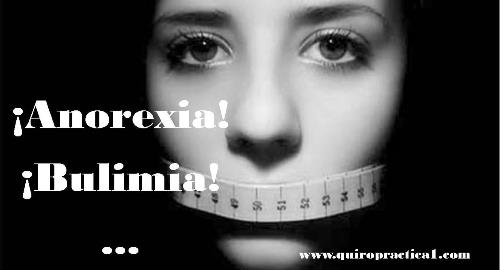
Eating disorders are mental health issues that deeply impact the lives of those who suffer from them. In this article, we explore the different types, their causes, and the most common symptoms, aiming to raise awareness about their severity and the importance of a natural health approach.
Eating disorder.Some people may view eating disorders such as anorexia, bulimia, etc., as phases, fads, or lifestyle choices, but they are actually serious mental disorders. Here we will address the 6 types and their symptoms.
They affect individuals physically, psychologically, and socially and can have fatal consequences.
In fact, eating disorders are now officially recognized as mental disorders by the Diagnostic and Statistical Manual of Mental Disorders (DSM).
In the United States and Europe alone, it is estimated that 20-18 million women and 10-5 million men have or have had an eating disorder at some point in their lives.
What are eating disorders?
Eating disorders are a series of conditions expressed through abnormal or disturbed eating habits.
These often stem from an obsession with food, body weight, or body shape and often lead to severe health consequences. In some cases, eating disorders can even result in death.
Individuals with eating disorders may have a variety of symptoms. However, most include severe food restriction, inappropriate purging behaviors such as vomiting or over-exercising.
Although eating disorders can affect people of any gender at any life stage, they are most frequently reported in adolescents and young women. In fact, up to 13% of young people may experience at least one eating disorder by the age of 20.
What causes them?
Experts believe that eating disorders can be caused by a variety of factors.
Genetics
Studies with twins and adoptions, studying twins who were separated at birth and adopted by different families, provide some evidence that eating disorders can be hereditary.
This type of research has generally shown that if one twin develops an eating disorder, the second has a 50% chance of developing one as well, on average.
Personality
In particular, neuroticism, perfectionism, and impulsivity are three personality traits often linked to a higher risk of developing an eating disorder.
Fads or cultural preferences
Cultural pressures or fads that are cultural preferences for thinness and media exposure promoting such ideals.
In fact, certain eating disorders seem to be mostly nonexistent in cultures that have not been exposed to Western ideals of thinness.
That said, culturally accepted ideals of thinness are very present in many areas of the industrialized world. However, in other countries with less consumerist culture, few individuals end up developing an eating disorder.
Brain Biology
More recently, experts have proposed that differences in brain structure and biology may also play a role in developing eating disorders.
In particular, levels of the brain messengers serotonin and dopamine may be factors.
However, more studies are needed before drawing solid conclusions.
They are not fads, phases, or something someone consciously chooses to partake in.
Types of eating disorders
-
Anorexia nervosa
Anorexia nervosa is probably the most well-known eating disorder.
It generally develops during adolescence or early adulthood and tends to affect more women than men.
People with anorexia usually see themselves as overweight, even if they are dangerously underweight. They tend to constantly monitor their weight, avoid eating certain types of foods, and severely restrict their calories.
Common symptoms of anorexia nervosa include:
- Having a very low body weight compared to people of similar age and height.
- Very restricted eating patterns.
- An intense fear of gaining weight or persistent behaviors to avoid weight gain, despite being underweight.
- Relentless pursuit of thinness and unwillingness to maintain a healthy weight.
- A strong influence of body weight or perceived body shape on self-esteem.
- A distorted body image, including denial of being seriously underweight.
Obsessive-compulsive symptoms are also frequently present. For example, many people with anorexia are preoccupied with constant thoughts about food, and some may even obsessively collect recipes or hoard food.
Such individuals may also have difficulties eating in public and have a strong desire to control their environment, limiting their spontaneity.
Anorexia is officially classified into two subtypes: the restrictive type and the binge-eating and purging type.
People with the restrictive type lose weight only through dieting, fasting, or excessive exercise.
Related Posts