The 5 Lifestyle Changes High cholesterol increases the risk of heart disease and heart attacks…
Eating disorders, types, causes, and symptoms
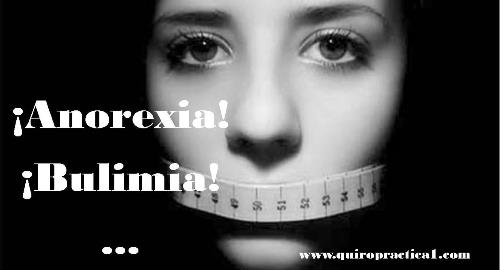
Eating disorder. Some people may view eating disorders such as anorexia, bulimia, etc., as phases, trends, or lifestyle choices, but in reality, they are serious mental disorders. Here we will address the 6 types and their symptoms.
They affect individuals physically, psychologically, and socially and can have fatal consequences.
In fact, eating disorders are now officially recognized as mental disorders by the Diagnostic and Statistical Manual of Mental Disorders (DSM).
In the United States and Europe alone, it is estimated that 20-18 million women and 10-5 million men have or have had an eating disorder at some point in their lives.
What are eating disorders?
Eating disorders are a series of conditions expressed through abnormal or disturbed eating habits.
These often stem from an obsession with food, body weight, or body shape and often result in severe health consequences. In some cases, eating disorders can even result in death.
Individuals with eating disorders may have a variety of symptoms. However, most include severe food restriction, inappropriate purging behaviors such as vomiting or excessive exercise.
Although eating disorders can affect individuals of any gender at any stage of life, they are most frequently reported in adolescents and young women. In fact, up to 13% of young people may experience at least one eating disorder by the age of 20.
What causes them?
Experts believe that eating disorders can be caused by a variety of factors.
Genetics
Twin and adoption studies, which study twins who were separated at birth and adopted by different families, provide some evidence that eating disorders may be hereditary.
This type of research has generally shown that if one twin develops an eating disorder, the other has a 50% chance of developing one as well.
Personality
In particular, neuroticism, perfectionism, and impulsivity are three personality traits often linked to a higher risk of developing an eating disorder.
Cultural trends or preferences
Cultural pressures or trends are cultural preferences for thinness and exposure to media that promote such ideals.
In fact, certain eating disorders seem to be mostly nonexistent in cultures that have not been exposed to Western ideals of thinness.
That said, culturally accepted ideals of thinness are very present in many areas of the industrialized world. However, in other countries with less consumerist cultures, few individuals end up developing an eating disorder.
Brain Biology
More recently, experts have proposed that differences in brain structure and biology may also play a role in the development of eating disorders.
In particular, levels of brain messengers serotonin and dopamine may be factors.
However, more studies are needed before reaching solid conclusions.
They are not trends, phases, or something someone consciously chooses to partake in.
Types of eating disorders
-
Anorexia Nervosa
Anorexia nervosa is probably the most well-known eating disorder.
It generally develops during adolescence or adulthood and tends to affect more women than men.
People with anorexia generally see themselves as overweight, even if they are dangerously underweight. They tend to constantly monitor their weight, avoid eating certain types of food, and severely restrict their calories.
Common symptoms of anorexia nervosa include:
- Having a very low weight compared to others of similar age and height.
- Very restricted eating patterns.
- An intense fear of gaining weight or persistent behaviors to avoid weight gain, despite being underweight.
- An unrelenting pursuit of thinness and unwillingness to maintain a healthy weight.
- A strong influence of perceived body weight or shape on self-esteem.
- A distorted body image, including denial of being seriously underweight.
Obsessive-compulsive symptoms are also frequently present. For example, many people with anorexia are preoccupied with constant thoughts about food, and some may even obsessively collect recipes or hoard food.
Such individuals may also have difficulty eating in public and have a strong desire to control their environment, limiting their ability to be spontaneous.
Anorexia is officially classified into two subtypes: the restrictive type and the binge-eating/purging type.
Individuals with the restrictive type lose weight only through dieting, fasting, or excessive exercise.
Individuals with the binge-eating/purging type may eat large amounts of food or eat very little. In both cases, after eating, they purge using activities such as vomiting, taking laxatives or diuretics, or excessive exercise.
Anorexia can be very harmful to the body. Over time, individuals living with it may experience thinning of their bones, infertility, brittle hair and nails, and the growth of a fine layer of hair all over their body.
In severe cases, anorexia can result in heart failure, brain failure, or multiple organ failure and death.
-
Bulimia Nervosa
Bulimia nervosa is another well-known eating disorder.
Like anorexia, bulimia tends to develop during adolescence and early adulthood and appears to be less common among men than among women.
Individuals with bulimia frequently eat unusually large amounts of food in a relatively short period.
Each binge-eating episode typically continues until the person feels painfully full. Moreover, during the episode, the person often feels they cannot stop eating or control what they are eating.
Binge-eating can happen with any type of food, although it is most likely to occur with foods that the individual would normally avoid.
Individuals with bulimia then attempt to purge to compensate for the calories consumed and relieve intestinal discomfort.
Common purging behaviors include forced vomiting, fasting, laxatives, diuretics, enemas, and excessive exercise.
The symptoms may appear very similar to the subtypes of anorexia nervosa. However, individuals with bulimia generally maintain a relatively normal weight, rather than becoming underweight.
Common symptoms of bulimia nervosa include:
- Recurrent episodes of binge eating, with a feeling of lack of control
- Recurrent episodes of inappropriate purging behaviors to prevent weight gain
- A self-esteem heavily influenced by body shape and weight
- The fear of gaining weight, despite having a normal weight
The side effects of bulimia can include a sore and inflamed throat, swollen salivary glands, worn dental enamel, dental cavities, acid reflux, intestinal irritation, severe dehydration, and hormonal imbalances.
In severe cases, bulimia can also create an imbalance in the body’s electrolyte levels such as sodium, potassium, and calcium. This can lead to a stroke or heart attack.
-
Binge Eating Disorder
Binge eating disorder was recently officially recognized as an eating disorder.
However, it is currently believed to be one of the most common eating disorders, especially in the United States.
Binge eating disorder usually begins during adolescence and early adulthood, although it can also develop later.
Individuals with this disorder have symptoms similar to those of bulimia or the binge-eating subtype of anorexia.
For example, they often eat unusually large amounts of food in relatively short periods of time and generally feel a lack of control during binges.
However, unlike the two previous disorders, individuals with binge eating disorder do not restrict calories or use purging behaviors such as vomiting or excessive exercise to compensate for their binges.
Common symptoms of binge eating disorder include:
- Eating large amounts of food quickly, in secret, and until feeling uncomfortably full, despite not feeling hungry.
- Feeling a lack of control during binge episodes.
- Feelings of distress, such as shame, disgust, or guilt, when thinking about the obsessive behavior.
- No use of purging behaviors, such as calorie restriction, vomiting, excessive exercise, or use of laxatives or diuretics, to compensate for the binge.
Individuals with binge eating disorder are often overweight or obese. This can increase their risk of medical complications related to excess weight, such as heart disease, stroke, and type 2 diabetes.
- Pica
Pica is another completely new condition that has only recently been recognized as an eating disorder by the DSM.
Individuals with pica crave non-food substances such as ice, dirt, clay, chalk, soap, paper, hair, fabric, wool, pebbles, detergent, or cornstarch.
Pica can occur in adults as well as in children and adolescents. That said, this disorder is more common in children, pregnant women, and individuals with intellectual disabilities.
Individuals with pica may be at greater risk for poisoning, infections, intestinal injuries, and nutritional deficiencies. Depending on the substances ingested, pica can be fatal.
However, to be considered pica, the consumption of non-food substances must not be a normal part of someone’s culture or religion. Additionally, it should not be considered a socially acceptable practice by a person’s peers.
-
Rumination Disorder
Rumination disorder is another newly recognized eating disorder.
It describes a condition in which a person regurgitates food that has previously been chewed and swallowed, re-chews it, and then either swallows it again or spits it out.
This rumination typically occurs within the first 30 minutes after a meal. Unlike medical conditions such as reflux, it is voluntary.
This disorder can develop during infancy, childhood, or adulthood. In infants, it tends to develop between three and 12 months and often resolves on its own. Children and adults with the condition usually require therapy to resolve it.
If not resolved in infants, rumination disorder can result in weight loss and severe malnutrition that can be fatal.
Adults with this disorder may restrict the amount of food they eat, especially in public. This can lead them to lose weight and become underweight.
They generally regurgitate food they have recently swallowed. They then re-chew it and either swallow it again or spit it out.
-
Avoidant/Restrictive Food Intake Disorder (ARFID)
Avoidant/restrictive food intake disorder (ARFID) is a new name for an old disorder.
It actually replaces what was known as “feeding disorder of infancy or early childhood,” a diagnosis previously reserved for children under seven years old.
Although ARFID generally develops during childhood or early childhood, it can persist into adulthood. Moreover, it is equally common in men and women.
Individuals with this disorder experience discomfort when eating either due to a lack of interest in eating or aversion to certain smells, tastes, colors, textures, or temperatures.
Common symptoms of ARFID include:
- Avoiding or restricting food intake that prevents the person from consuming enough calories or nutrients.
- Eating habits that interfere with normal social functions, such as eating with others.
- Weight loss or poor development for age and height.
- Nutrient deficiencies or reliance on supplements or tube feeding.
It is important to note that ARFID goes beyond normal developmental behaviors, such as picky eating in toddlers or decreased food intake in older adults.
Additionally, it does not include avoidance or restriction of food due to lack of availability or religious or cultural practices.
Other Eating Disorders
In addition to the six eating disorders mentioned above, there are also lesser-known or less common eating disorders. These generally fall under one of three categories:
- Purge Disorder: Individuals with this disorder often use purging behaviors, such as vomiting, laxatives, diuretics, or excessive exercise, to control their weight or shape. However, they do not binge.
- Night Eating Syndrome: Individuals with this syndrome frequently overeat, often after waking from sleep.
- Unspecified Eating Disorder (EDNOS): This includes any other possible condition that has symptoms similar to an eating disorder but does not fit into any of the above categories.
A disorder that may currently fall under EDNOS is orthorexia. Although it is increasingly mentioned in the media and in scientific studies, orthorexia has not yet been officially recognized as an eating disorder by the current DSM.
Individuals with orthorexia nervosa tend to have an obsessive focus on healthy eating to a degree that disrupts their daily life.
For example, the affected person may eliminate entire food groups, fearing they are unhealthy. This can lead to malnutrition, severe weight loss, difficulty eating out, and emotional distress.
Individuals with orthorexia rarely focus on losing weight. Instead, their self-esteem, identity, or satisfaction depends on how well they adhere to their self-imposed dietary rules.
In summary
The above categories are intended to provide a better understanding of the most common eating disorders and dispel the myths that many people have about them.
Eating disorders are mental disorders with serious physical and emotional consequences. If you have an eating disorder or know someone who might have one, help from a professional in the field, practicing yoga or exercise, and chiropractic care can help restore balance in your life.
References and sources:
https://www.nationaleatingdisorders.org/what-are-eating-disorders
https://www.ncbi.nlm.nih.gov/pubmed/23148784
https://www.ncbi.nlm.nih.gov/pubmed/26095891
https://www.ncbi.nlm.nih.gov/pubmed/12956542
http://www.biologicalpsychiatryjournal.com/article/S0006-3223(14)00704-5/fulltext
https://dsm.psychiatryonline.org/doi/book/10.1176/appi.books.9780890425596
https://www.nimh.nih.gov/health/topics/eating-disorders/index.shtml
https://www.ncbi.nlm.nih.gov/pubmed/26754944
https://scholarworks.iu.edu/conferences/index.php/iuurc/iuurc21/paper/view/217
https://rarediseases.info.nih.gov/diseases/7594/rumination-disorder
Related Posts