The 5 Lifestyle Changes High cholesterol increases the risk of heart disease and heart attacks…
Coconut oil, Reality Vs Myth

Coconut Oil, Reality Vs Myth
Is Coconut Oil Healthy? Coconut Oil Reality
In 2017, the American Heart Association (AHA) released a report stating that saturated fats are linked to vascular diseases. This report may confuse you because it did not take into account important data that determine just the opposite of its recommendation.
The advisory report was a shock to the public. It really isn’t that simple, and I will go into detail in this article to highlight where the AHA went wrong. And how the removal of coconut oil could be a serious mistake that directly affects health for some.
I have been promoting the benefits of coconut oil for years, particularly when it comes to improving brain health. And while the report states a partial truth, the bigger problem is this: The authors of the AHA are oversimplifying the situation. Furthermore, they are suggesting replacing coconut oil, which based on what we already know from many studies is completely wrong. Let’s take a deeper look…
Is Coconut Oil Reality Healthy?
This is what you need to know
Many people will be alarmed by this news about the coconut oil reality, but it is important to remember that their guidelines are not telling people to consume zero saturated fats to reduce the risk of heart disease. AHA is recommending that people limit their daily intake of saturated fats: to 30 grams for men; to 20 grams for women. That is approximately the equivalent of 2 tablespoons of coconut oil for men and 1.33 tablespoons for women. Most people will not exceed this amount in their daily diet unless they are on a Paleo or ketogenic diet, (and some people do very well on high-fat diets, given that they are consuming healthy fats.)
The positive part of the report was the organization’s recommendation to consume a Mediterranean diet rich in healthy fatty acids, such as wild fish, olives, avocado, nuts, and seeds. But let’s return to the coconut oil…
The Cholesterol Issue
The AHA warns against the use of coconut oil reality, as it raises LDL cholesterol, or “bad” cholesterol. And this cannot be disputed, but it must be taken into account that the report does not mention something very important, which is that coconut oil reality also raises HDL, or “good” cholesterol.
In fact, Brazilian researchers found that incorporating extra virgin coconut oil into the diet provides a maximum of healthy HDL cholesterol. It even helps patients with heart disease lose excess body mass and reduce waist size, two factors that can protect their heart.
Besides the fact that issuing a warning about coconut oil reality only considering one part (the amount of cholesterol) and ignoring the more important one cannot be the best way to indicate that this may lead to heart disease. There is another super important piece of information that I want you to understand. The reason the American Heart Association advises against coconut oil is because the organization claims that LDL cholesterol increases the risk of heart disease. But a study of over 12,000 people found that having low cholesterol—not high—actually increased a person’s risk of dying earlier from inflammatory diseases.
Could it be that we are too hyper-focused on cholesterol when we should really be focusing on reducing inflammation, which is the main cause of heart disease?
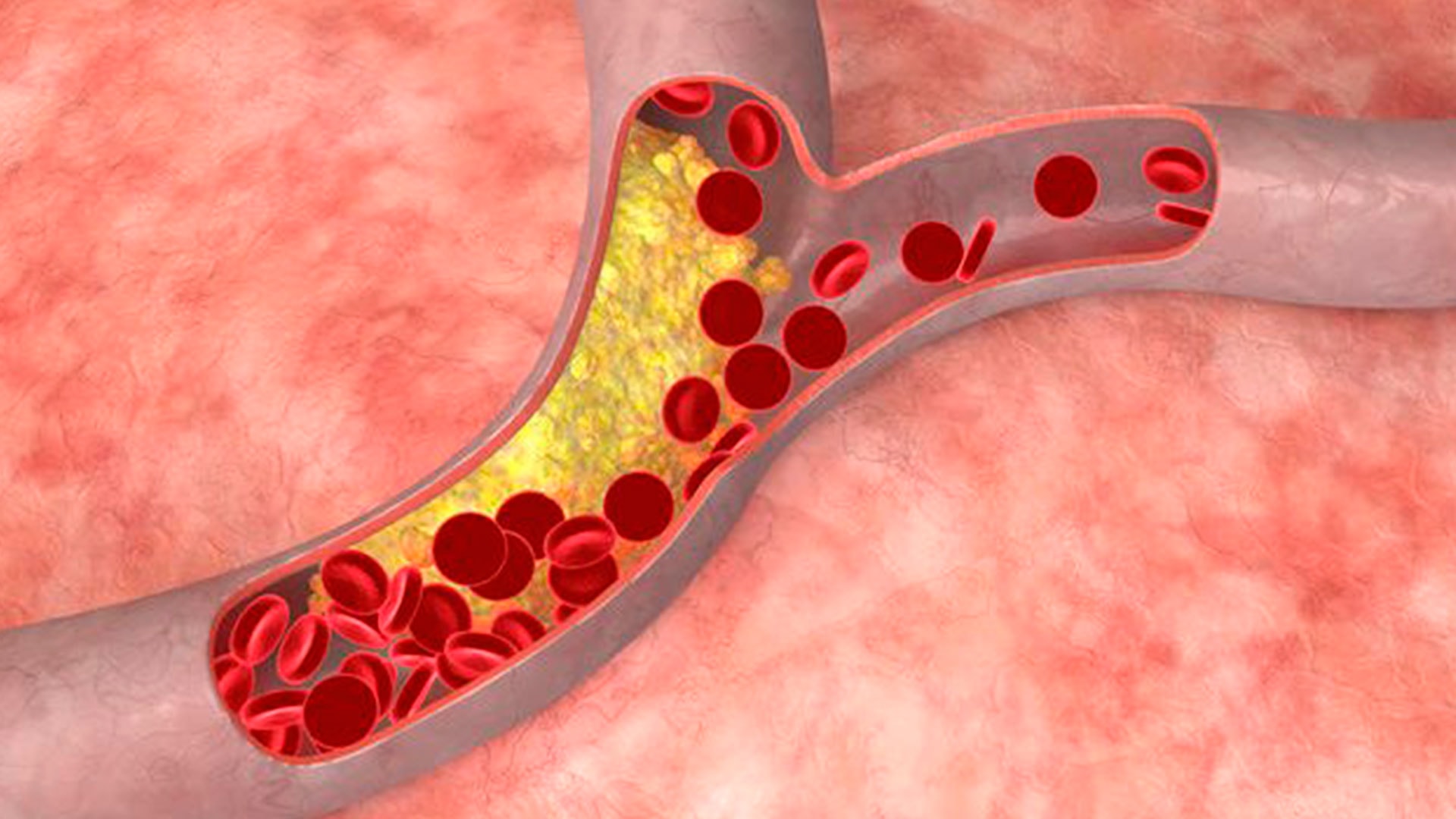
In order to improve heart health, the focus should shift from high cholesterol as the major risk factor for heart disease to instead focusing on reducing inflammation and oxidation through diet. It’s about getting to the root cause of the disease. Your liver starts producing cholesterol as a repair substance for your body. This happens because inflammation and oxidation are occurring in your arteries. Imagine your arteries as the pipes in your home. If your pipe is damaged and there is a leak, you need to go and patch and repair the area.
The problem is not high cholesterol. That is just the result of an inflammatory lifestyle.
And, if you really want to know what your cholesterol numbers should be in relation to heart disease risk, you need to assess your cholesterol ratios, not the total number. What became evident as I read the AHA analysis is that many of the studies they conducted did not take HDL cholesterol levels or ratios into account.
Here is an easy explanation from Harvard Medical: “The ratio of total cholesterol to HDL is important; The lower the number, the better.
- For example, someone with a total cholesterol of 200 and an HDL of 60 would have a ratio of 3.3 (200 ÷ 60 = 3.3).
- If that person’s HDL were low, say 35, the total cholesterol to HDL ratio would be higher: 5.7.”
The Issue of Replacing Coconut Oil (Reality) with Oils
Perhaps the most surprising part of the report is the AHA’s recommendations that experts suggest eating more corn and soybean derivatives, products that are GMO.
More than 90 percent of these crops are genetically modified. And Norwegian researchers even found that U.S. soy contains “extreme” levels of glyphosate, the main ingredient in the herbicide Roundup. (Yes, it is actually in the food, you can’t wash it off.)
Here is the most important alarm regarding this recommendation: A 2016 review study published in the British Medical Journal examined what happens when people take saturated fats out of their diet and replace them with vegetable oils rich in linoleic acid. Instead of consuming saturated fats, people ate more corn oil and margarine rich in polyunsaturated fats. It turns out that replacing saturated fats with corn oil and similar oils increased a person’s risk of coronary disease and death from all causes. So, what advice is being given now?
Corn, soy, and other vegetable oils are high in omega-6 fatty acids. And while we need some omega-6 fats, the standard American diet is too high in omega-6 fats and too low in omega-3.
The omega-6-to-omega-3 ratio of corn oil is 49:1.
There is also evidence that a diet high in omega-6 may increase the risk of breast cancer in postmenopausal women and prostate cancer in men.
Here are other key points to consider when trying to decide whether “Coconut Oil Reality is Healthy”:
- The American Heart Association has previously issued questionable dietary guidelines. These include eating processed foods that are low in fat but are often high in sugar and opting for margarine instead of butter. (Since then, the AHA has not discouraged sugar.)
- We have seen examples of dietary-based statements in the past, often with disastrous effects. Remember when researchers said all red meat was bad, failing to differentiate between factory-farmed and grass-fed meat? In the 1980s, all fat was labeled as bad. It turned into all fat is bad except omega-3 fats. Now, we are hearing that we only need to be careful with saturated fat. What will it be next week?
- Do we need to know the truth about saturated fat? Yes, we do. At least 50 percent of our cell membranes are made of saturated fatty acids. This is very important, from improving the immune system to protecting the liver from toxins.
- The role of cholesterol in human health is complicated. You really need it for optimal brain health. And more and more science is demystifying the idea that certain cholesterol-rich foods are bad for us. For example, a 2017 study in the American Journal of Clinical Nutrition found that cholesterol-related eggs do not actually cause dementia.
- Some people believe that the 2017 AHA report is actually a step forward. Here, although the researchers do not recommend coconut oil reality, they also do not say to avoid it completely.
- A powerful way to reduce your risk of heart disease includes limiting your refined carbohydrates and sugar. These unhealthy carbohydrates promote low HDL cholesterol levels, insulin resistance, small LDL particles, and high triglycerides.
- And to be clear, the way I read the study, the AHA may be experiencing a slight shift. They continue to say that 2 tablespoons of coconut oil or saturated fat or less is not necessarily terrible for some people.
Neurological Health
There is evidence that increasing the intake of the right types of saturated fats (coconut oil, cacao, grass-fed meat, ghee butter) can increase your body’s HDL cholesterol production. Your brain, spinal cord, and nerves are made up of 25 percent cholesterol, which is, at least in part, why consuming more may help improve neurological health. For those who need neurological support, coconut oil could be just what the doctor ordered. In fact, saturated fat may help those with diseases such as Alzheimer’s, seizures, and depression.
Weight Loss through Ketogenic Diet
Increasingly, studies suggest benefits of a ketogenic diet, high in fats and low in carbohydrates. This is especially true when it comes to weight loss, type 2 diabetes, and memory. I do not recommend that people stay in a state of ketosis long-term, but doing a 30 to 90-day period of a ketogenic diet (and then alternating it) can provide improvements in weight, polycystic ovary syndrome, type 2 diabetes, memory, and more.
Better ways to reduce the risk of heart disease with food
Different people respond differently to foods. That’s why it’s very difficult to make general nutritional recommendations. Some people tolerate coconut oil well and see great improvements in hormonal profiles, mood, memory, and weight. For others, coconut oil may not be the answer. This AHA report is another reminder that we need to push for nutrition and personalized medicine. What works for one person may not work for another.
In general, however, here are more foods to incorporate into your diet for better heart health:
Herbs
Turmeric, garlic, rosemary, cayenne, and cinnamon have been shown to reduce the risk of heart disease.
Bitter Vegetables
It is well established in traditional Chinese medicine and Ayurvedic medicine that bitter vegetables promote heart health. These include arugula, broccoli, fresh dandelion, dill, and watercress.
Foods Rich in Omega-3
Wild fish high in EPA and DHA, such as mackerel, salmon, sardines, and tuna, have enormous anti-inflammatory benefits, as do nuts. Chia seeds rich in ALA, flaxseeds, and walnuts are also high in omega-3. Coconut oil reality
Conclusions:
- Overall, the recommendations of the American Heart Association report on Dietary Fats and Cardiovascular Diseases are partial and biased.
- The AHA has only relied on the standard total cholesterol figure regarding heart health. This is not necessarily the most accurate way to determine heart health.
- People can make good use of the AHA recommendation if they actually replace saturated fat in their diet with wild fish, olives, avocado, seeds, and unmodified sprouted grains.
- Many people may replace fats and turn to grains like wheat bread and vegetable oils from corn and canola, which are GMO.
- It is important to remember that everyone is different. This is why we will see more evidence of the importance of personalized medicine in the future.
- To protect your heart today, use more herbs in your cooking, eat more bitter greens, and make sure to get healthy omega-3 fatty acids from grass-fed meats and wild fish.
- The truth is that saturated fats (coconut oil, cacao, ghee butter, and grass-fed meats) are not the culprits when it comes to heart disease.
- Hydrogenated oils, refined grains, sugar, and processed foods are the biggest culprits.
Related Posts