Explore how the healing foods diet can be key to naturally improving your health. Learn…
8 Steps to Naturally Improve Your Calcium
8 Steps to Naturally Improve Your Calcium
The Minerals of My Bones
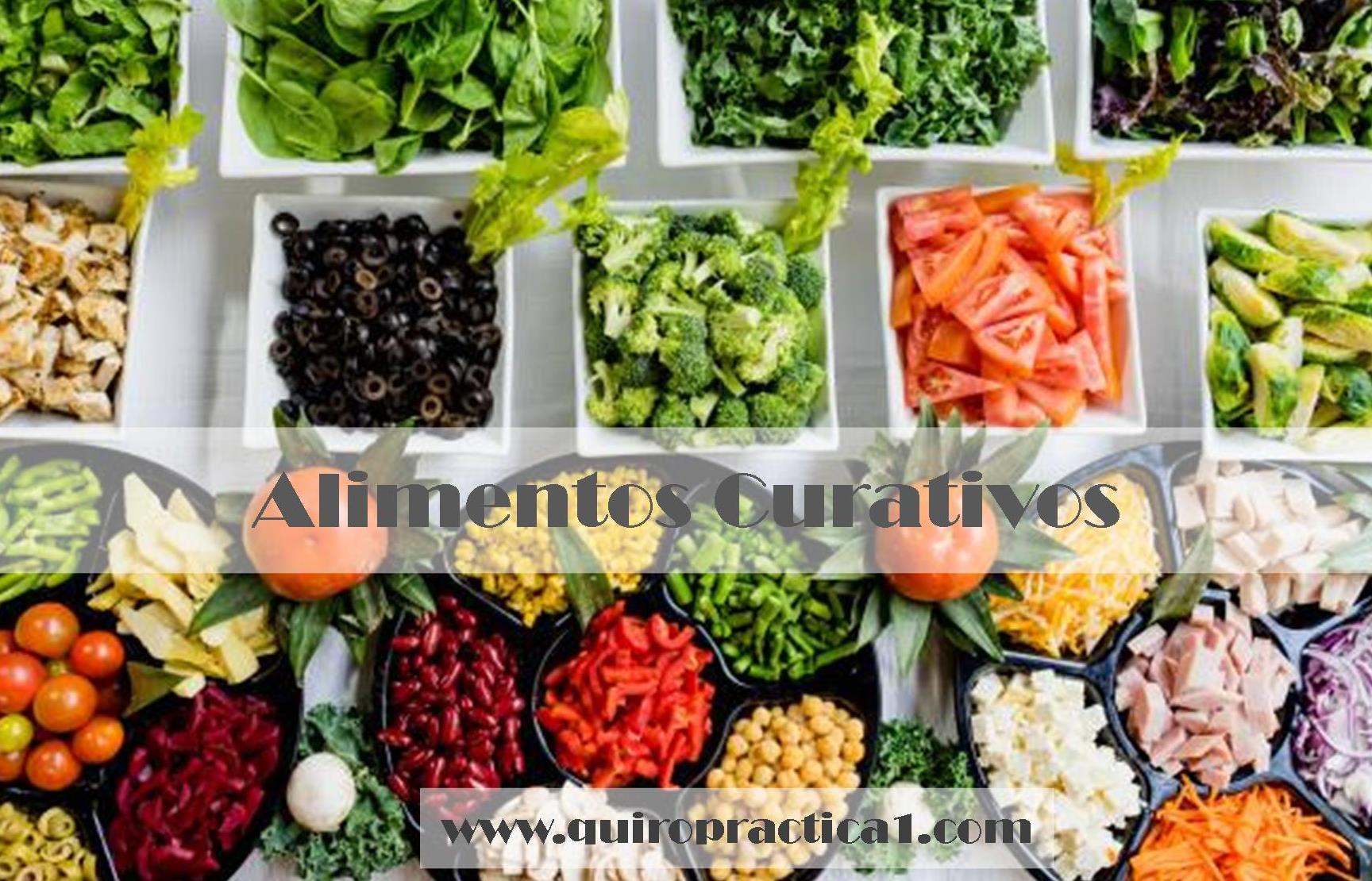
The best way to achieve healthy bones is by consuming a diet rich in fresh and raw foods that maximize natural minerals, so that your body has the raw materials needed to perform the work for which it was designed.
Your body is more likely to use calcium correctly if it is plant-based.
Good sources include oat milk, leafy green vegetables, the peels of citrus fruits, carob, wheat pasta, to name a few.
Studies
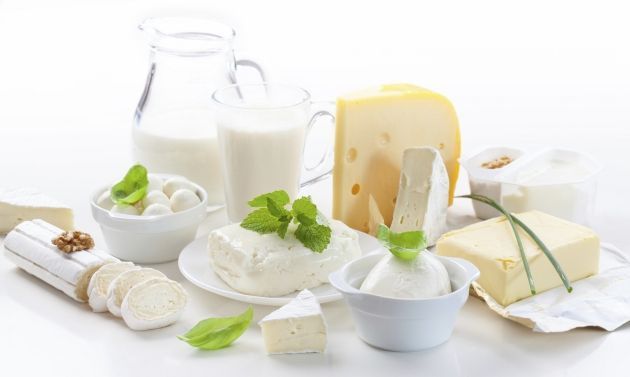
It is worth mentioning that studies conducted with calcium from dairy products were done with pasteurized dairy rather than raw dairy, which has many more intact nutrients, making the results of the studies less clear.
This means that the dairy products we buy at the supermarket are really not a good source of Calcium.
You also need sources of silica and magnesium, which some researchers say is actually “transmuted” enzymatically by your body into the type of calcium that can be used by it.
This theory was first proposed by the French scientist Louis Kervran, a Nobel Prize nominee, who spent years studying the relationship between silica and calcium.
Good sources of silica include cucumbers, peppers, tomatoes, and a variety of herbs including horsetail, nettle, oat straw, alfalfa, and raw cacao, which is also very rich in highly bioavailable magnesium.
Other Important Minerals
Dr. Thompson recommends using natural and unprocessed salt as a much better alternative to calcium supplements, as it provides minerals that you simply cannot currently obtain from foods grown in mineral-deficient soils.
My favorite source of minerals is Himalayan salt, pure and unprocessed, which contains 84 elements that your body needs.
Other Suggestions for a Healthy Heart and Strong Bones
In order to achieve the best possible health, you need to design an attack plan from multiple angles. These suggestions will help keep your heart, blood vessels, organs, and bones healthy.
1.Limit fructose to less than 25 grams daily. For most people, it would also be good to limit fructose from fruits to 15 grams or less, as it is almost guaranteed that you will consume fructose from “hidden” sources if you drink anything other than water and eat processed foods. For a reference list of some of the most common fruits you can use to track fructose in grams, please read here.
2.Optimize your vitamin D either from natural sunlight (20 minutes daily (between 12 PM and 4 PM) 80% of the body) or from an oral supplement. Check your blood levels regularly.
3.Vitamin K2 prevents coronary calcification and is necessary to bind calcium to the matrix of your bones, and without it, vitamin D could lead to heart disease. It has been shown that almost everyone is deficient in vitamin K2.
Vitamin K2 has also been shown to prolong lifespan (Rotterdam Study) and decrease the risk of heart attacks (Prospective Study). Optimize your vitamin K through a combination of food sources (leafy green vegetables, fermented foods like natto, cheeses, and raw milk, etc.) and K2 supplements, if necessary.
4.Make sure to do weight-bearing exercises, as they have great benefits for both your skeletal and cardiovascular systems.
5.Consume various whole, fresh, and organic foods, including fruits, vegetables, nuts, seeds, organic meat, eggs, and raw unpasteurized organic milk. The more raw foods you consume, the more you will nourish yourself. Reduce sugar and refined grains. Avoid low-fat diets, as they are known to affect calcium absorption.
6.Consider high-quality omega-3 fat supplements (krill oil).
7.Make sure you are getting enough sleep every night, between 6 and 9 hours.
8.
Related Posts