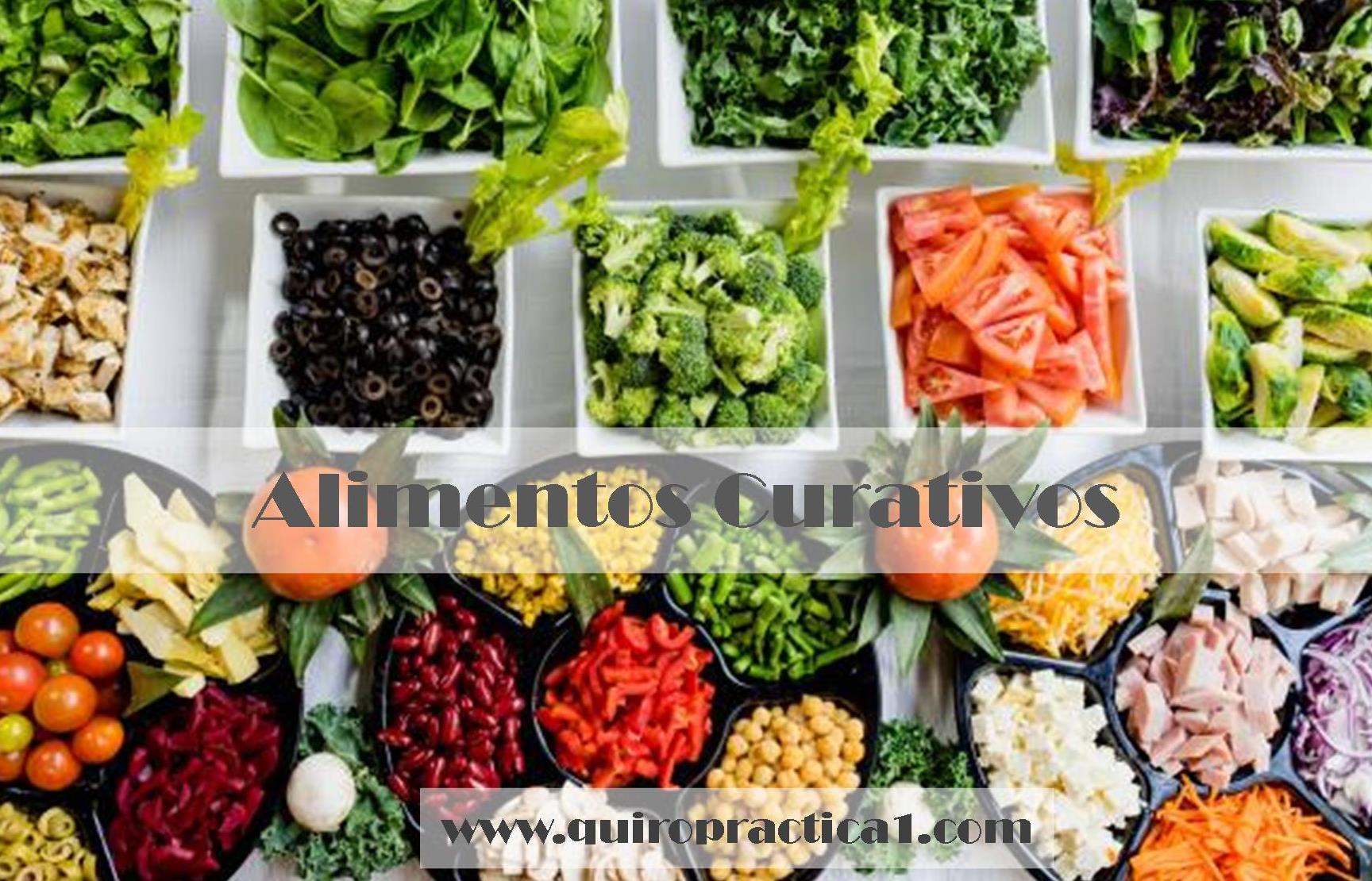
Explore how the healing foods diet can be key to naturally improving your health. Learn…
7 Foods that Nourish Our Brain
7 Foods for Your Brain-Gut
We all know that there are foods that are good for the heart, bones, and digestion, but did you know that there are certain foods that can enhance our intellectual capacity? It’s true, and the secret to improving neurological function can be directly attributed to the gut-brain connection.
In this fascinating field of study, researchers have discovered that, in addition to housing about 80% of the immune system, the gut also produces hormones that enter the brain and directly influence cognitive function.
Therefore, ultimately, the key to maintaining focus on a task, understanding and processing difficult information, or even recognizing when you have had enough to eat, is to ensure that the gut is healthy and that it is receiving the proper nutrients needed to support health throughout the rest of your body.
And the superfoods listed here not only keep the gut healthy. They will also provide energy and direct protection against brain-related diseases, thanks to their high levels of antioxidants, healthy fats, vitamins, and minerals. So if you are interested in having a healthy body and mind this New Year, these seven foods will help you do just that.
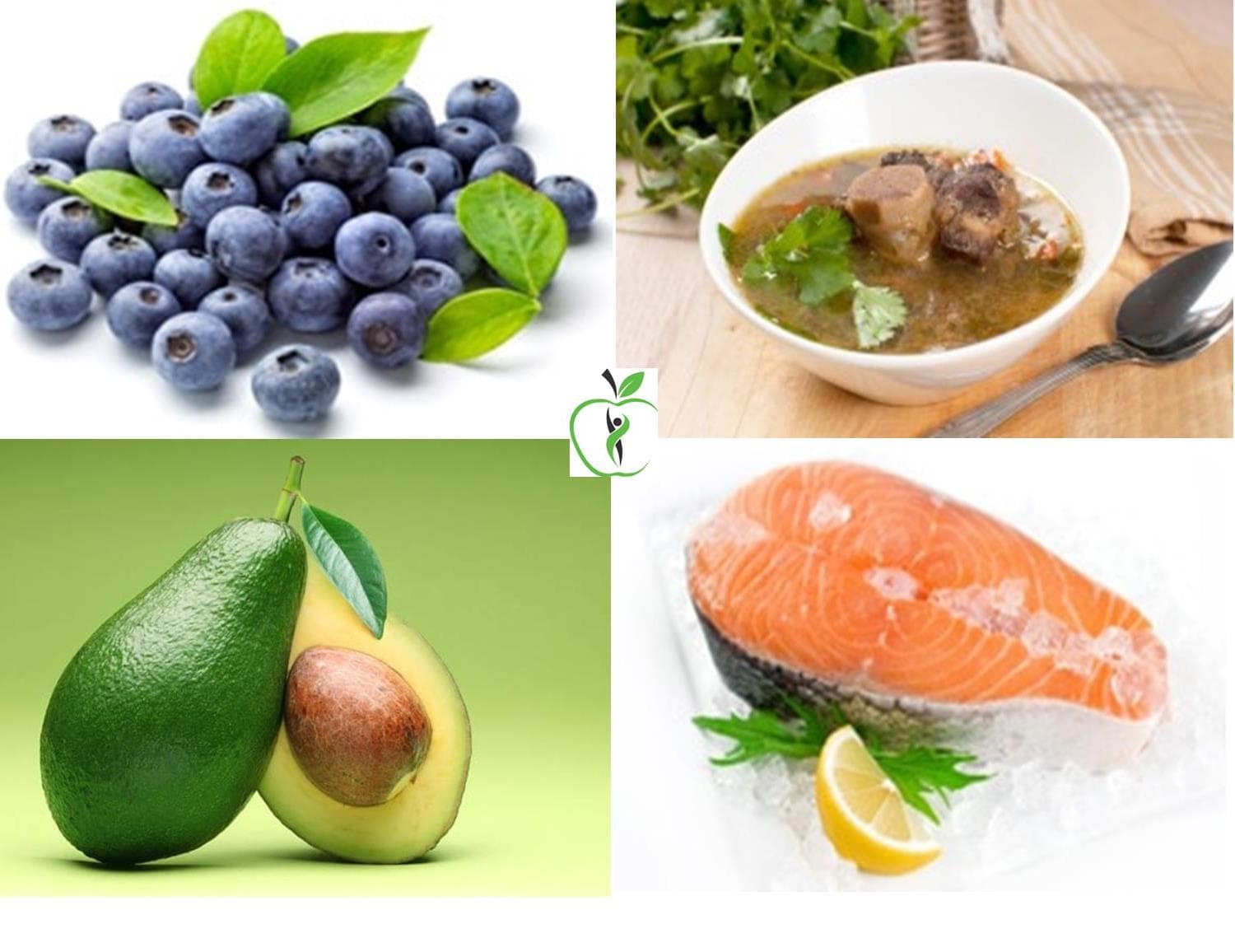
Avocados
Avocados are known to enhance cognitive function, especially memory and concentration. The fatty acids in avocados also play an important role in regulating the functions of the central nervous system and cognitive processes, as they help to naturally balance hormones.
This means that the avocados you add to your diet can actually improve our mood and alleviate feelings of depression. Additionally, avocados improve blood flow and indeed oxygenate the brain, helping to prevent nerve damage and oxidation that can lead to disease. And the phytonutrients present in avocados—particularly polyphenols and flavonoids—are important anti-inflammatory compounds that affect every part of the body, including the brain.
Blueberries
With high levels of vitamin C, vitamin K, manganese, and other antioxidants, blueberries are packed with health benefits, including the ability to boost brain power. This distinction is partly due to the fact that blueberries are known to be one of the highest antioxidant foods in the world.
They also contain a high amount of phenols, including gallic acid. Gallic acid serves as a neuroprotective agent, protecting our brain from degeneration, neurotoxicity, and oxidative stress.
Research shows that berry consumption is associated with a reduction or delay in the development of neurodegenerative diseases, including Parkinson’s disease, Alzheimer’s disease, ischemic diseases, and aging effects.
Bone Broth
The amino acids found in bone broth promote the production of chemicals and hormones that help us sleep more deeply, think clearly, stay motivated, remember information, and make decisions.
Glycine, one of the amino acids present in bone broth, is used as a therapeutic agent to improve sleep quality and helps reduce anxiety symptoms, enhance mental performance, and improve memory.
Bone broth-based protein powders also allow us to easily obtain important electrolytes, such as potassium, magnesium, and sodium, which help boost our energy levels and cognitive function.
Coconut Oil
Coconut oil acts as a natural source of anti-inflammatory foods by suppressing the cells responsible for the hyperactive immune response, including those in the brain.
It may also help with memory loss as we age and effectively destroy harmful bacteria that reside in our gut and can balance the gut-brain connection. Additionally, the digestion of coconut oil and other medium-chain fatty acids by the liver creates ketones that serve as easily accessible energy for the brain.
Ketones provide energy to the brain without the need for insulin to process glucose into energy. This is particularly important for people with Alzheimer’s disease, as they have lost the ability to produce their own insulin, and ketones from coconut oil create an alternative energy source to help repair brain function.
Wild Salmon
Salmon is one of the most nutritious brain-friendly foods. The omega-3 fatty acids in salmon help improve memory and keep the brain functioning smoothly. Extensive research also shows that omega-3 fatty acids, especially DHA, protect the brain against Parkinson’s disease.
In fact, in North America, the average intake of DHA is between 60-80 milligrams per day, while experts recommend a minimum daily intake of 250 milligrams. By increasing our consumption of wild salmon, we are reducing the risk of developing serious cognitive diseases.
Vitamin A, vitamin D, and selenium in salmon also protect the nervous system from age-related damage and may even act as an antidepressant.
Walnuts
Walnuts provide omega-3 fatty acids and support our memory and thinking processes. Research shows that walnut consumption improves neurotransmitter function and provides protection against brain damage. Walnuts are also rich in antioxidants, vitamins (vitamin B6, folic acid, and thiamine), and minerals, including manganese and magnesium, which enhance mental alertness.
Dark Chocolate
How to store the most delicious brain food, dark chocolate is full of flavonoids that have antioxidant and anti-inflammatory properties. The flavonoids present in healthy chocolate (without milk or sugar) penetrate and accumulate in the regions of the brain involved in learning and memory, especially the hippocampus.
And research shows that long-term consumption of flavonoids has a positive impact on neurocognition and behavior, including cognitive decline with age and disease-related decline. www.quiropractica1.com
Related Posts