Explore how the healing foods diet can be key to naturally improving your health. Learn…
7 Additives Guilty of Leaky Gut
7 Food Additives That Trigger Leaky Gut
In the study, the research team examined the effects of industrial food additives used in processed foods. Specifically, they wanted to see how these ingredients affected the intestines and the development of autoimmune diseases – conditions in which the body attacks and damages its own tissues. These food additives are added to processed foods and beverages to enhance flavor, aroma, texture, and shelf life.
So what did the scientists find? “… a significant circumstantial connection between the increase in the use of processed foods and the rise in the incidence of autoimmune diseases.”
The researchers found evidence that processed foods weaken the gut’s resistance to bacteria, toxins, and other hostile and non-nutritive nutritional elements. This increases the risk of autoimmune diseases.
“In recent decades, there has been a decrease in the incidence of infectious diseases, but at the same time, there has been an increase in the incidence of allergic diseases, cancer, and autoimmune diseases. Given that the weight of genetic changes is insignificant over such a short period, the scientific community is looking for causes at the environmental level.”
co-author of the study Aaron Lerner, MD
Here are the 7 food additives that trigger damage to the gut pores, according to the study:
1- “Meat Glue”
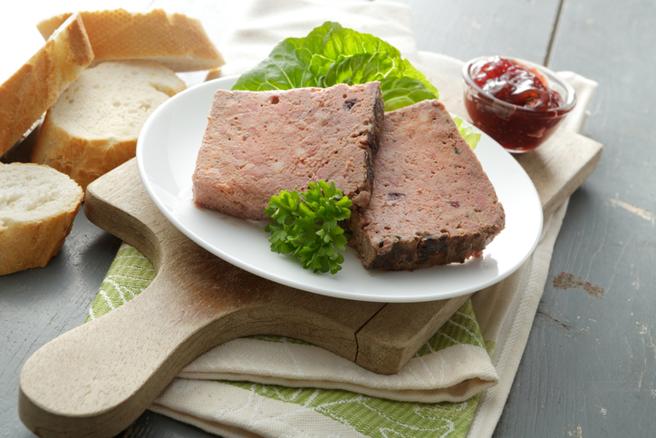
Otherwise known as microbial transglutaminase, this special enzyme serves to hold proteins together. It is often used in imitation crab meat (which could be landing in your beloved California sushi rolls), fish balls, and to improve the texture in meats like ham and surimi.
It is also approved for use as an enzymatic binder to form smaller cuts of meat and poultry into a larger portion of meat. Derived from fermented bacteria, a non-pathogenic strain of the organism Streptoverticillium mobaraense, it is considered safe by the “Food and Drug Administration” in the U.S., although other studies suggest otherwise. It was only approved for use in 1998, making it a relatively young food additive.
Fortunately, this food additive that triggers leaky gut is not exempt from labeling, although it is sometimes referred to as TG enzyme.
Another warning sign on the label? Products formed from whole muscle meat pieces, or that have been reformed from a single cut, must disclose this fact on their label, as part of the product name, for example, “Beef loin composite” or “Roasted turkey thigh composite.”
If you eat meat, I always suggest looking for organic meat, from grass-fed livestock. Build a relationship and ask if food additives are added to the meat.
2- “Sugars”
It was found that glucose increased intestinal permeability and produced changes in the distribution of the main protein of the tight junction in the human Caco-2 cell line, indicating an intercellular leak.
Americans have increased their use of sugars at the highest levels of advanced glycation end products (AGEs). Once formed, AGEs increase inflammation, which can further exacerbate leaky gut.
We now know the scandal of the sugar industry involves deceiving people into believing that sugar is healthier than fat. Healthy fats have been the subject of bad propaganda through the cholesterol myth, which is why the industry has increased sugar in processed foods. Use my tricks to eliminate sugar addiction and drastically reduce sugar, and you will be much healthier.
3- “Sodium”
A high-salt diet does more than affect your heart. It turns out it is also blamed for loosening protection of healthy intestinal function. Interestingly, a high-salt diet could be behind an increase in autoimmune diseases. Excess salt can affect your innate immune system, causing macrophage dysfunction.
We need some salt to live, but in general, Western countries are consuming too much.
In a recent study with mice, increased salt concentrations actually seemed to trigger neuropathy in people with multiple sclerosis. So to protect your immune system, make sure you are not eating too much salt. Eliminating processed foods will definitely help. More than 75 percent of salt intake comes from processed foods.
4- “Emulsifiers”
You may have heard that a common food additive is linked to colon cancer. Emulsifiers such as polysorbate 80 and carboxymethylcellulose (often known as cellulose gum) are used in things like non-organic dill pickles, frozen baked goods, non-dairy creamers, and more. They have also been linked to metabolic dysfunction, obesity, and inflammatory bowel disease.
Emulsifiers are added to most processed foods to improve food texture and prolong shelf life. But they also deactivate healthy levels of gut bacteria, triggering chronic low-grade inflammation that promotes colorectal cancer and leaky gut. It seems that emulsifiers act like detergents destroying the mucosal layer that lines the gut.
5- “Organic Acids”
Researchers saw the potential risks of using these solvents in foods and beverages. Specifically, alcohol and its metabolites harm the junction barriers needed to prevent leaky gut. Researchers say that acetaldehyde, the same substance produced by the liver when processing alcohol and is this factor that contributes to hangovers, may be a culprit.
Acetaldehyde is also found in fermented foods, although in my opinion, I have seen great intestinal improvements when patients work fermented foods into their diet. (Of course, you can experiment to see how your body feels with or without fermented foods.)
6- “Gluten”
When I work with patients, I tell them it is imperative that they eliminate gluten and grains from their diet. (Once your gut is healthy, you can reintroduce grains that have been fermented and sprouted by eating them occasionally.)
Researchers from the food additives that trigger leaky gut study also say that gluten is not recommended. They observed increased intestinal permeability when immune cells are exposed to gliadin. Gluten often hides in unexpected places, including where wheat flour is used as a thickening agent. And note that even organic wheat contains gluten.
7- “Nanoparticles”
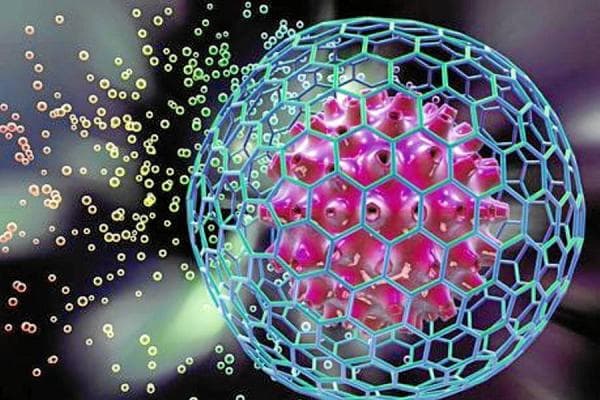
Nanotechnology is a booming business in the food world. A business of over $7 billion, to be exact. And estimates suggest that 40 percent of food industries are using it.
The use of nanoparticles in food packaging and foods is skyrocketing. The authors of the study explain that nanotechnology encompasses taking a material and making it unnatural, with dimensions between 1 and 100 nm. But at these dimensions, materials can acquire unusual physical, chemical, and biological properties and functions that are markedly different from those of the original compound size. They can behave in unexpected ways once inside human cells.
So why are we using them in food? Nanomaterials enhance the flavor, color, appearance, uniformity, and texture of foods. Nanomaterials are also used in food packaging to help bottled beverages prevent the loss of CO2. Silver nanoparticles are also embedded in plastic to kill bacteria.
But these nanoparticles are also linked to DNA and cellular damage. Titanium dioxide is the most common nanoparticle in foods. Manufacturers most often use it to make things like glazed donuts and bright white salad dressings. It also makes candies like opaque gummy bears and enhances their colors. We really do not know what the long-term impacts of eating nanoparticles are, so they should be avoided at all costs.
Foods and Supplements That Counteract Intestinal Permeability
Fortunately, there are food ingredients and supplements that can help soothe and heal a gut that has fallen victim to intestinal permeability, AKA leaky gut.
Here are some:
Glutamine
This is a natural inhibitor of leaky gut. I specifically leverage the benefits of L-glutamine and use it as a key supplement to help and support better digestive health.
Why? Science shows us that it improves gastrointestinal health, as it serves as a vital nutrient for the intestines to rebuild and repair. Essentially, it helps heal leaky gut, acting as a band-aid for protection against further damage and improves IBS and diarrhea by balancing mucus production, promoting healthy bowel movements.
Curcumin
A potent anti-inflammatory agent found in turmeric (it is one of the many documented benefits of turmeric), curcumin has mechanical potential to inhibit inflammation and oxidative stress that leaks the gut. (Use in not too high doses because it could enhance oxidative stress.)
Prebiotics and Probiotics
While the benefits of probiotics are well noted, prebiotics, compounds of indigestible fiber, are still largely undervalued and under-consumed. Studies show they help promote a healthy gut, actually helping to heal leaky gut in those suffering from atopic dermatitis. Raw dandelion greens, garlic, onions, and leeks are great prebiotic sources.
Bone Broth
I have found that bone broth is the first thing to consume to combat leaky gut syndrome, overcome food intolerances, allergies, and improve joint health. Consuming homemade bone broth from organic farming or a high-quality bone broth supplement provides a dose of healing compounds like collagen, proline, glycine, and glutamine. Nutrition researchers Sally Fallon and Kaayla Daniel from the Weston A. Price Foundation explain that bone broths contain minerals in forms that your body can easily absorb: calcium, magnesium, phosphorus, silicon, sulfur, and others. They contain chondroitin sulfate and glucosamine, compounds sold at a high price as supplements to reduce inflammation, arthritis, and joint pain.
This study serves as a reminder that we can greatly improve our health if we focus on cooking more at home and relying less on processed foods.
Many food additives have never been tested regarding their long-term impact on human health. Who wants to be part of that experiment? Not me. And I hope you don’t either.
While we can all read labels and avoid these food additives that trigger leaky gut. It is very clear that we need to pass laws that protect us from the greed of the food industry.
Part of a healing plan for leaky gut should include a plan to avoid processed foods and food additives that trigger permeability.
www.quiropractica1.com
Related Posts