
Responsible for your health... Responsible for your health, you-are-the-captain-of-your-ship, There is certainly a paranoia that…
4 Steps to Heal Leaky Gut Syndrome and Autoimmune Diseases
4 Steps to Heal Leaky Gut Syndrome
Leaky gut syndrome is a rapidly growing condition that more and more people struggle with daily.
This condition may be the cause of your allergies, low energy, joint pain, autoimmune diseases, and weight gain. In this article, I will particularly highlight how you can heal your leaky gut.
The Importance of Your Digestive Lining
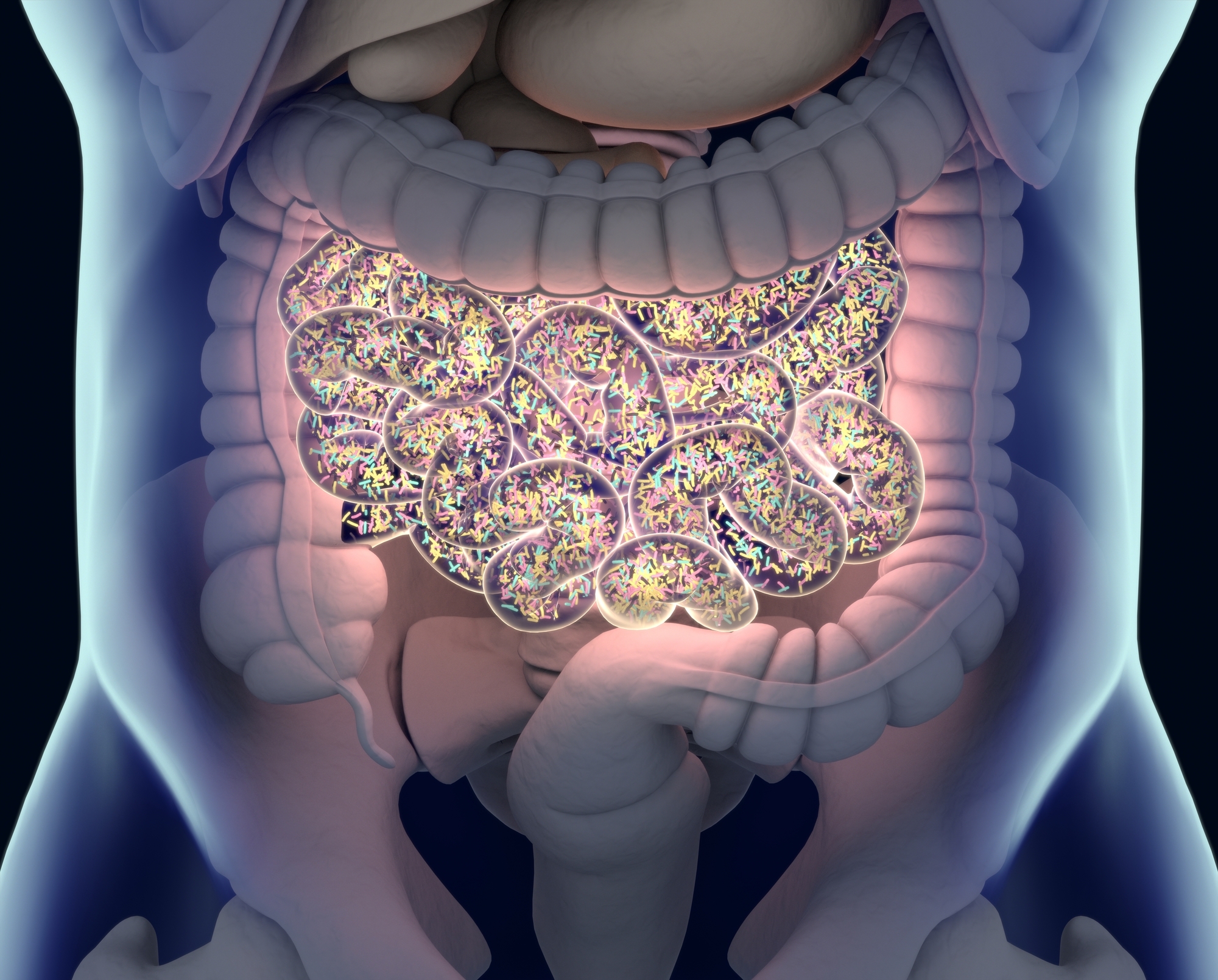
Think of the lining tissue of your digestive tract as a net with extremely small holes that only allows certain substances to pass through. Your intestinal lining acts as a barrier, preventing larger particles that could damage the system from passing.
When someone has digestive leaks (often referred to as increased intestinal permeability), the “net” in their digestive tract is damaged, even causing larger holes to develop in the net, allowing things that normally couldn’t pass through to do so. Some of the things that can now pass through include proteins like gluten, harmful bacteria, and undigested food particles. Toxic waste can also leak from inside your intestinal wall into the bloodstream, causing an immune reaction.
The Progression of Leaky Gut
This leads to inflammation throughout your system and can cause symptoms such as:
• Bloating
• Food sensitivities
• Thyroid diseases
• Fatigue
• Joint pain
• Headaches
• Skin problems like rosacea and acne
• Digestive issues
• Weight gain
• Syndrome X
• Food sensitivities
• Thyroid diseases
• Fatigue
• Joint pain
• Headaches
• Skin problems like rosacea and acne
• Digestive issues
• Weight gain
• Syndrome X
One of the biggest warning signs that can occur from leaky gut syndrome may be experiencing multiple food sensitivities. Partially digested proteins and fats can leak through your intestinal lining making their way into the bloodstream, which can cause an allergic reaction.
This allergic response does not mean you will suffer a rash all over your body, but it can lead to one of the symptoms I mentioned earlier. And, if not repaired, it can lead to greater health problems such as inflammatory bowel disease, irritable bowel syndrome, arthritis, eczema, psoriasis, depression, anxiety, migraines, muscle pain, and chronic fatigue.
According to the Diabetes Journal, there is strong evidence pointing to digestive leaks as one of the main causes of autoimmune diseases including Type 1 Diabetes.
Another issue with leaky gut is that it can cause malabsorption of vital minerals and nutrients such as zinc and iron.

There are 4 main causes of leaky gut:
• Poor diet
• Chronic Stress (consult your chiropractor)
• Toxin Overload
• Bacterial Imbalance
In this article, we will delve deeply into nutrition. Read it carefully, and in a few sections, I will summarize the 5 best Foods and Supplements to heal your leaky gut…
The most common food components that can damage the intestinal lining are proteins found in non-sprouted grains, sugar, genetically modified organisms (GMOs), and conventional dairy products.
The problem with non-sprouted grains is that they contain large amounts of blocking nutrients called phytates and lectins. Lectins are proteins that bind with sugar and act as a natural defense system for plants, protecting them from external invaders like mold and parasites.
This is good news for plants, but bad news for the body.
Your digestive lining is covered with sugar that contains cells that help break down food. Lectins tend to be attracted to that area, and when they adhere to your digestive lining, they damage it, causing inflammation.
Lectins and Problematic Foods
Lectins are found in many foods, not just grains, and consuming them in small amounts can be well-tolerated by your body. But foods that contain large amounts of lectins are more problematic such as wheat, rice, spelt, and soy.
Sprouting and fermenting grains reduce phytates and lectins, making these foods easier to digest.
GMOs and hybrid grains tend to be the highest in lectins as they have been modified to combat viruses.
Additionally, gluten-containing grains damage the intestinal lining causing digestive leaks. So try to heal your system by avoiding all grains, especially those that contain gluten like wheat. Once the gut is healthy, you can occasionally reintroduce fermented and sprouted grains into your diet.
Conventional cow’s milk is another food that can cause digestive leaks. The component in dairy products that harms your gut is Casein A1 protein. Additionally, the pasteurization process destroys vital enzymes, producing sugars like lactose that are very difficult to digest. For this reason, I only recommend buying dairy products that are natural and from: A2 cows, goats, sheep, or buffalo.
Sugar is another substance that wreaks havoc on your digestive system. Sugar will promote the growth of yeast, candida, and pathogenic bacteria, which will also damage your gut. Pathogenic bacteria actually create toxins called exotoxins that harm healthy cells and can erode a hole in your intestinal wall.
Other Factors That Cause Leaky Gut
Chronic stress over time weakens your immune system, which deteriorates your ability to fight off foreign invaders like harmful bacteria and viruses that lead to inflammation and digestive leaks. To reduce stress, I recommend getting more sleep, scheduling fun into your week, taking a day off each week, reflecting on scriptures, and spending time with positive and uplifting people.
Toxins. We are exposed to over 80,000 toxins and chemicals each year, but the worst offenders causing digestive leaks are antibiotics, pesticides, tap water, aspirin, and NSAIDs (Non-Steroidal Anti-Inflammatory Drugs). I recommend purchasing a high-quality water filter to remove chlorine and fluoride, and using natural plant herbs to reduce inflammation in the body.
Dysbiosis. Finally, one of the main causes of leaky gut is a condition called dysbiosis, which means an imbalance between beneficial and harmful bacteria species in your gut. For many, this imbalance can begin at birth due to a cesarean section or because the mother does not have a healthy gut. Overprescription of antibiotics, tap water with chlorine and fluoride, and lack of probiotic-rich foods contribute to this imbalance of good and bad bacteria.
Leaky Gut and the Brain
Another topic I want to quickly discuss is how digestive leaks can affect the brain. If you have ever seen a child with autism experience a mood change, this may be caused by intestinal permeability. Gluten-free and casein-free diets have proven effective for many children with autism because these proteins can produce leaks into the gut and then recirculate and act in the brain similarly to an opioid drug.
This is why digestive leaks have also been linked to other psychological disorders such as anxiety, depression, and bipolar disorder. Therefore, in many cases, if you can heal the gut, you can heal the brain.
4-Step Plan to Heal Leaky Gut
The good news is that there is a solution to heal leaky gut. There is a four-step process that includes:
1. Eliminate foods and factors that damage the gut
2. Replace them with healing foods (e.g.: bone broth)
3. Repair it with specific supplements
4. Rebalance it with probiotics
This is the protocol I have used with my patients over the years and it has helped them see incredible results.
Remember, the main foods you should stop consuming that cause you digestive leaks are sugar, grains, conventional meat, conventional dairy products, and foods derived from genetically modified organisms. The greatest toxic exposures to eliminate are tap water, pesticides, non-steroidal anti-inflammatory drugs, and antibiotics, but always remember to consult your doctor if they have prescribed them.
References:
Kiefer D, Ali-Akbarian L (2004). “A brief evidence-based review of two gastrointestinal illnesses: irritable bowel and leaky gut syndromes”. Alternative Therapy Health Medicine 10 (3): 22–30.
Pike, M. G.; Heddle, R. J.; Boulton, P.; Turner, M. W.; Atherton, D. J. (1986). “Increased Intestinal Permeability in Atopic Eczema”. Journal of Investigative Dermatology 86 (2): 101–104.
Humbert, P.; Bidet, A.; Treffel, P.; Drobacheff, C.; Agache, P. (1991). “Intestinal permeability in patients with psoriasis”. Journal of dermatological science 2 (4): 324–326.
Vaarala O, Atkinson MA, Neu J (2008) ‘The “Perfect Storm” for Type 1 Diabetes The Complex Interplay Between Intestinal Microbiota, Gut Permeability, and Mucosal Immunity’, Diabetes Journal, (57)10(2555-2562).
Z Liu, N Li, J Neu (2005) ‘Tight junctions, leaky intestines, and pediatric diseases’, Acta Paediatrica, 94(4), pp. 386-393.
Maes M, Leunis JC (2008) ‘Normalization of leaky gut in chronic fatigue syndrome (CFS) is accompanied by a clinical improvement: effects of age, duration of illness and the translocation of LPS from gram-negative bacteria’, Journal of Neuro Endocrinology, 29(6), pp. 902-10.
Visser, J (2010). Tight Junctions, Intestinal Permeability and Autoimmunity Celiac Disease and Type 1 Diabetes Paradigms. PubMed.
Related Posts