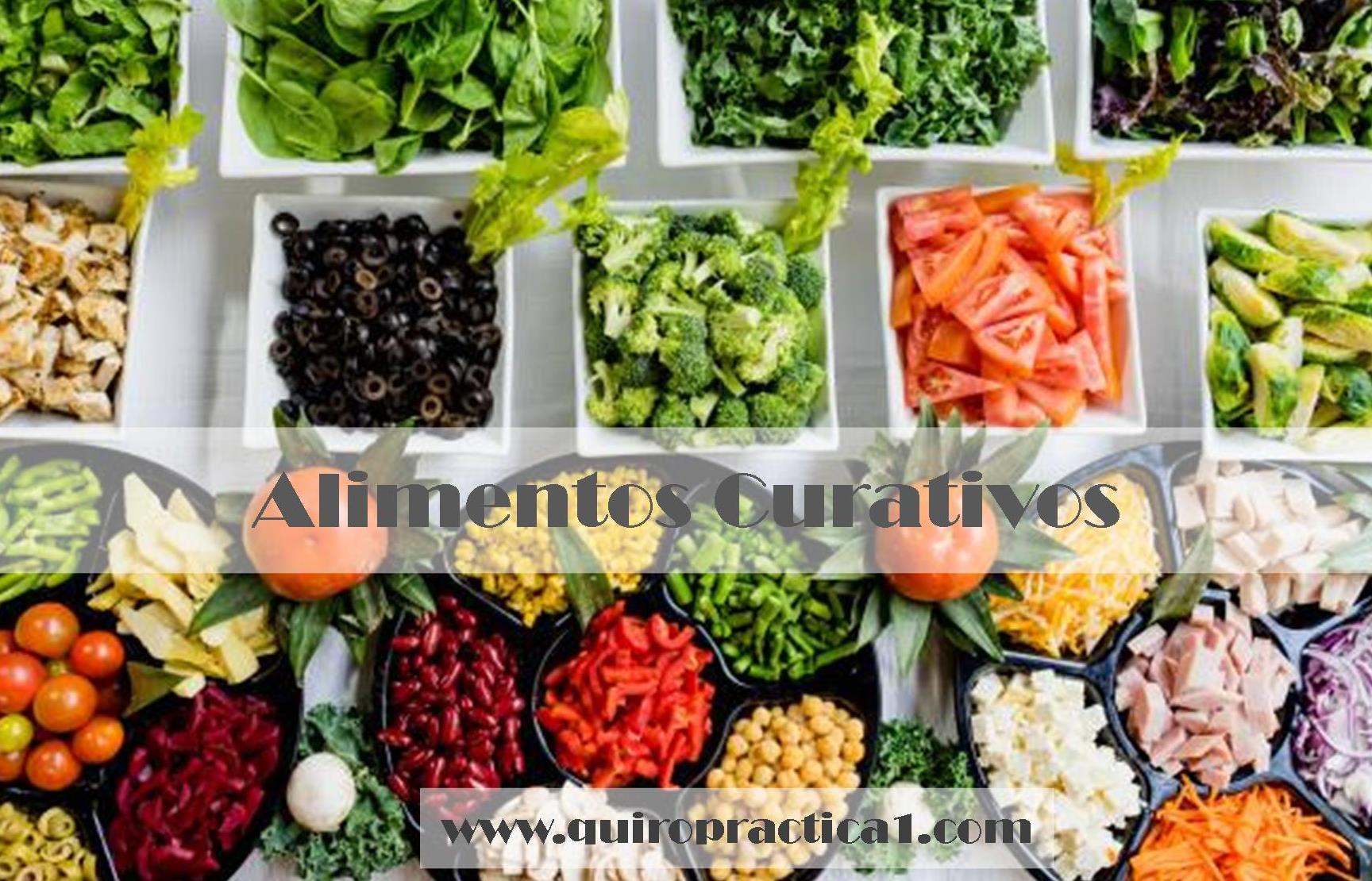
Explore how the healing foods diet can be key to naturally improving your health. Learn…
20 Healthy Ingredients for Salads
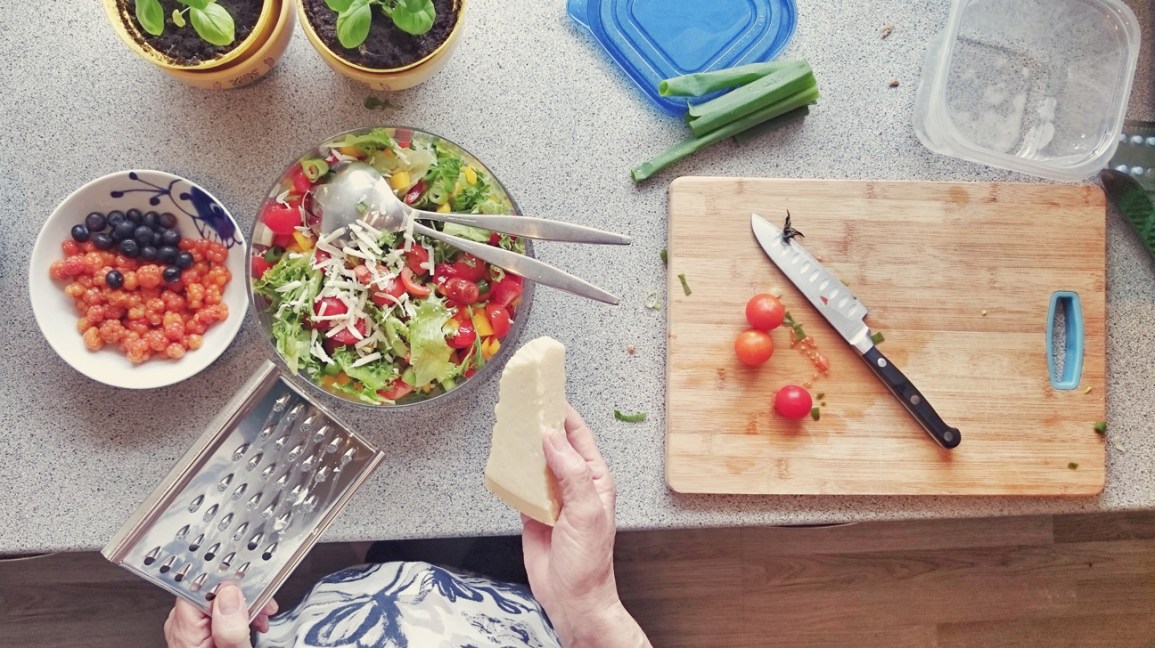
Salads are an excellent way to incorporate healthy ingredients into your daily diet. Discover how the right ingredients can naturally boost your health.
Salads are typically made by combining lettuce or mixed greens with a variety of ingredients and dressing.
With a wide variety of possible combinations, salads can be a staple of a balanced diet. You can add almost any food to a salad, but some toppings are more nutritious than others.
Today we present the 20 best ingredients for making healthy salads.
A typical salad starts with raw vegetables, such as lettuce, spinach, kale, mixed greens, or arugula. However, you can also add a variety of raw vegetables.
Some well-known raw vegetarian ingredients include chopped carrots, onions, cucumbers, celery, mushrooms, and broccoli. These vegetables are rich in fiber and plant compounds that offer health benefits.
A study of 422 young adults found that eating raw vegetables, such as carrots, lettuce, spinach, and cucumber, was associated with good mental health and mood (study:1)
Nuts and seeds, such as pistachios, walnuts, pumpkin seeds, almonds, peanuts, and chia seeds, are very nutritious salad ingredients.
For example, 28 grams of pumpkin seeds have 5 grams of protein and about 20% of the daily value (DV) of zinc. Even more, adding just 22 almonds (28 grams) to a salad already contains more than 3 grams of fiber and various vitamins and minerals.
When choosing nuts or seeds to add to your salad, look for raw or roasted varieties without added salt, sugar, or preservatives.
Salads and dried fruits are a delicious combination.
Using dried cranberries, apricots, mango, or raisins as a salad topping is an easy way to add some sweetness along with various nutrients. For example, 28 grams of dried apricots have 20% of the DV for vitamin A and 2 grams of fiber.
To avoid added sugars and preservatives, look for dried fruits that have only the fruit as the sole ingredient. Also, use these tasty foods in moderation to complete your salad.
You can also make it yourself by cutting your favorite fruit into thin pieces and baking on a lined baking tray at 121°C for two to three hours.
Some of the best-known organic whole grains used as salad ingredients include cooked brown rice, quinoa, farro, and barley. These grains add texture and flavor to your salad.
Whole grains also provide fiber and protein that can help you feel satisfied and full after meals. For example, 1 cup (195 grams) of brown rice has 5 grams of protein and more than 3 grams of fiber.
Furthermore, research links whole grain consumption with a variety of health benefits, including weight loss and lower cholesterol levels (study: 2).
Cooked whole grains are available in most grocery stores. To prepare your own, combine raw grains with water in a 1 to 2 ratio in a pot; for example, use 1 cup of grains with 2 cups of water. Bring to a boil, then simmer until the grains are soft.
5. Beans and Legumes
Beans and legumes are an excellent source of plant protein to add
Related Posts